
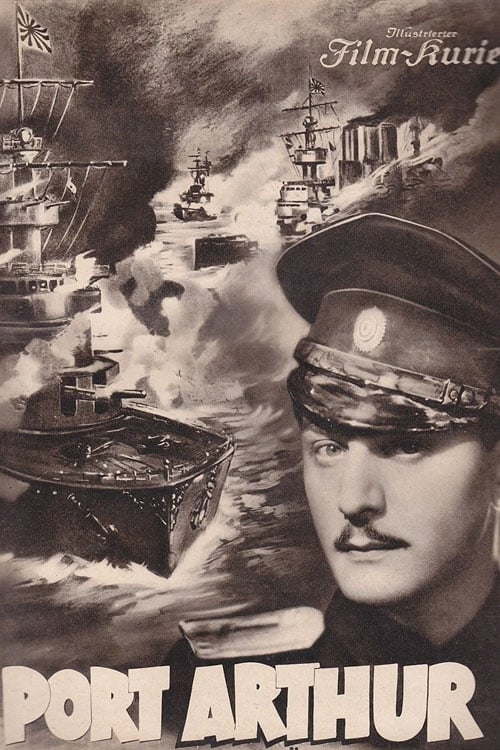
Port Arthur
1936
No user ratings available yet
Representation score: 3.9 out of 10
Representation Score
Limited
1936
Director
Nicolas Farkas
Runtime
81 minutes
Average Rating
No ratings yetNew Showbiz Analysis
Port Arthur is a period-specific wartime melodrama that adheres to the social conventions of 1936. It uses a cross-cultural romance to drive its plot, offering a departure from purely Western-centric narratives of the time. However, the film's structure reinforces traditional hierarchies. Gender roles are defined by domestic and romantic connections, while broader cultural themes focus on nationalism and military command rather than progressive social critique. Ultimately, the film provides a glimpse into international the way different parts of someone's identity overlap through its central pairing, but it lacks the necessary subversion of identity norms for a higher diversity rating.
Category Breakdown
The film focuses on a relationship between a Russian officer and a Japanese woman, which follows traditional heterosexual norms. There are no characters with non-binary gender identities or critiques of conventional romantic structures.
The female lead plays a central role but her influence is tied to her relationships with men. The film emphasizes traditional masculine leadership through its focus on naval command.
The story blends Russian and Japanese perspectives through a marriage, providing cross-cultural representation. However, it remains unclear if the Japanese characters have substantial roles beyond serving as archetypes.
Set during the Russo-Japanese War, the film highlights nationalism and imperial conflicts. It focuses on state-level tensions rather than exploring cultural or religious institutions in depth.
There are no characters in the film dealing with physical, sensory, or neurodivergent conditions.
Present on Screen
Limited or Absent
Official Synopsis
Espionage, war and romance in the Far East in 1904: Russian naval officer Boris Ranewsky marries Youki, the sister of a fanatical Japanese officer, but war is imminent.
1936
1934
1934

1938
1934
1987
1976
1930
No reviews yet. Be the first to share your thoughts on this movie!
Use the rating form above to leave a star rating and optional review.