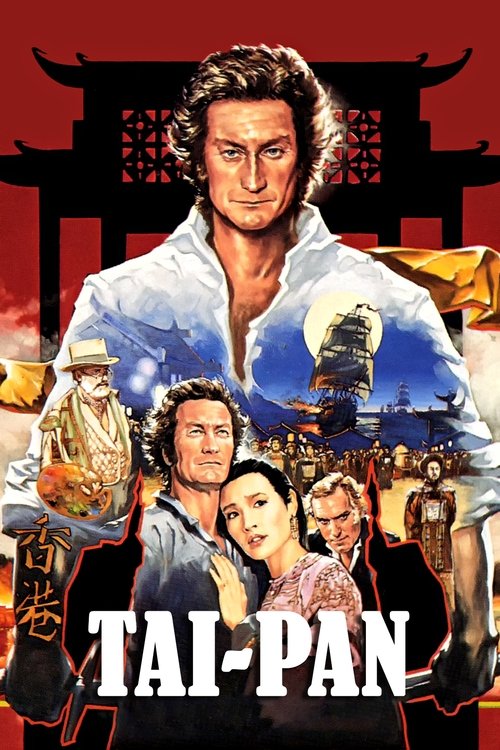
Tai-Pan
1986
No user ratings available yet
Diversity score: 4.4 out of 10
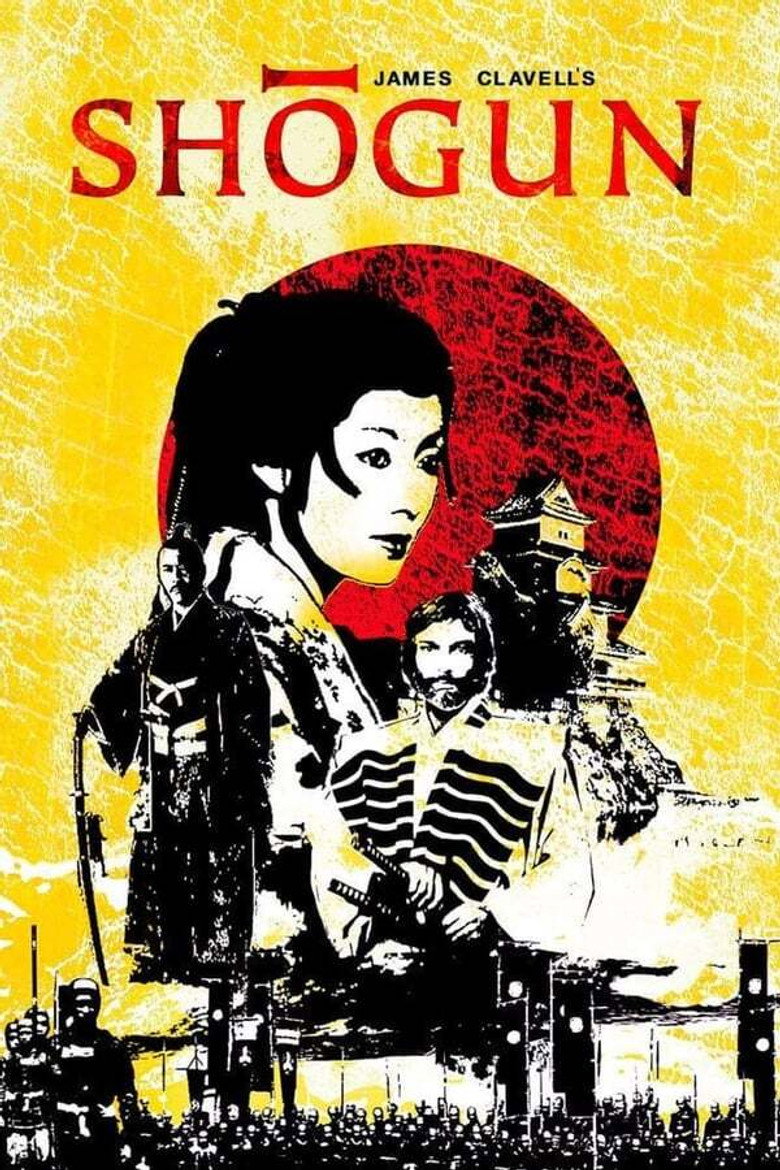
1981
Runtime
125 minutes
Average Rating
No ratings yetSynopsis
An English navigator becomes both pawn and player in the deadly political games in feudal Japan.
Overall Score
Fair
Category Breakdown
LGBTQ+ Representation
The narrative adheres strictly to the social mores of 17th-century feudal Japan and early modern England. There are no depictions of non-cisnormative identities or same-sex intimacy.
Gender Representation
The series depicts a rigid patriarchal hierarchy where female agency is often circumscribed by strict codes of honor. However, characters like Mariko demonstrate significant intellectual depth and political mastery.
Racial & Ethnic Diversity
The production avoids common whitewashing tropes by utilizing a predominantly Japanese cast. This approach provides a nuanced depiction of Japanese agency and complexity within the Shogunate's hierarchy.
Religious & Cultural Diversity
The story offers a sophisticated critique of Western expansionism and religious hegemony. It challenges Western religious dogma by framing Jesuit influence through a lens of Japanese suspicion.
Disability Representation
There is no meaningful representation of physical or neurodivergent disabilities. While physical trauma is implied by the era, disability is not a central narrative element.
Strengths
Areas for Improvement
AI Analysis
Shogun (1981) succeeds as a historical epic by prioritizing cultural authenticity over Western exceptionalism. By casting Japanese actors in key roles, the production avoids the typical whitewashing found in period dramas, allowing for a complex study of a sophisticated, pre-existing social order. However, the series remains tethered to the restrictive social structures of the Edo period. The patriarchal hierarchy limits female agency, and the total absence of LGBTQ+ visibility or disability representation reflects a focus on historical accuracy rather than modern progressive metrics. Ultimately, the work is a study of cross-cultural collision. It complicates the 'East vs. West' binary by presenting a moral relativism that critiques Western religious absolutism through the eyes of the Japanese characters.
1986
1991
1961
1990
2015
1983

1949

1953
1985
1984
1979
1960
No reviews yet. Be the first to share your thoughts on this movie!
Use the rating form above to leave a star rating and optional review.