Zulu Dawn
1979
No user ratings available yet
Representation score: 2.8 out of 10
Representation Score
Limited
1985
PG-13Director
Hugh Hudson
Runtime
126 minutes
Average Rating
No ratings yetNew Showbiz Analysis
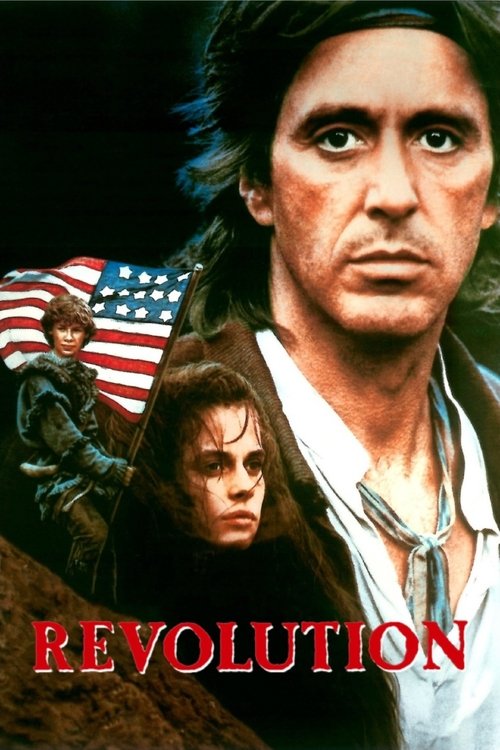
Revolution steers away from the typical celebratory tone of historical epics, offering a post-colonial examination of power. By focusing on a mixed-race protagonist, the film presents a fresh outsider perspective on the American colonial era. The narrative effectively dismantles class hierarchies and exposes institutional corruption. It goes beyond simplistic patriotism to explore the tension between individual ability to act and systemic oppression. However, the film remains confined by its emphasis on traditional gender roles and a lack of LGBTQ+ representation. The storytelling leans heavily towards the male experience of the era's turmoil.
Category Breakdown
The film does not include any LGBTQ+ characters or explore non-straight relationships. The interpersonal dynamics focus on traditional 18th-century romantic and family relationships.
The story mainly centers around the male experience during political upheaval. Although there are female characters like Daisy McConnahay, the narrative primarily reflects the gender roles of the time.
By featuring a protagonist of mixed South Asian descent, the film challenges Western stereotypes. This casting highlights the nuances of freedom within a society that sidelines certain groups.
The story strongly critiques class-based power and established political hierarchies. It portrays the breakdown of social order as a reaction to systemic corruption.
There are no characters with visible or invisible disabilities playing central roles in the narrative. The plot does not use disability as a primary element.
Present on Screen
Limited or Absent
Official Synopsis
New York trapper Tom Dobb becomes an unwilling participant in the American Revolution after his son Ned is drafted into the Army by the villainous Sergeant Major Peasy. Tom attempts to find his son, and eventually becomes convinced that he must take a stand and fight for the freedom of the Colonies, alongside the aristocratic rebel Daisy McConnahay. As Tom undergoes his change of heart, the events of the war unfold in large-scale grandeur.
1979

1939
2000
1966
1957
2004
1962
1960
No reviews yet. Be the first to share your thoughts on this movie!
Use the rating form above to leave a star rating and optional review.