Shogun
1981
No user ratings available yet
Representation score: 4.8 out of 10
Representation Score
Limited
1986
RDirector
Daryl Duke
Runtime
127 minutes
Average Rating
No ratings yetNew Showbiz Analysis
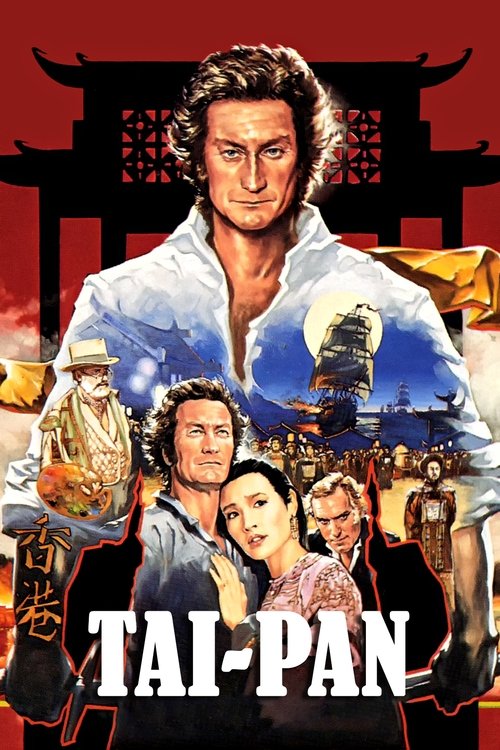
Tai-Pan examines the shift of Hong Kong to British colonial rule during the 19th century. It provides a critical look at Western commercial expansion, depicting the pursuit of capital as destructive rather than noble. However, the film stays true to historical hierarchies. It focuses mainly on the ambitions of the male merchant class, leaving female characters with little influence. While the film captures the tension between colonial powers and local populations, it does not actively challenge the systemic imbalances of the time.
Category Breakdown
The film does not include any LGBTQ+ characters or stories. It sticks closely to the traditional social structures of the 19th century without exploring queer identities.
Men in the merchant class have the most influence, focusing on business and geopolitical power. Women are mostly confined to domestic roles within a patriarchal system, with little control over their lives.
The story highlights the economic differences between British colonial administrators and the local Chinese population. It centers on the interaction between Eastern and Western cultures, avoiding a purely British focus.
The narrative criticizes uncontrolled capitalism and the moral complexities of 19th-century trade. It explores post-colonial themes by showing the impact of Western structures on Chinese land.
The film does not show any significant portrayal of visible or invisible disabilities. No characters are used as plot devices related to physical or mental health issues.
Present on Screen
Limited or Absent
Official Synopsis
The film begins following the British victory of the first Opium War and the seizure of Hong Kong. Although the island is largely uninhabited and the terrain unfriendly, it has a large port that both the British government and various trading companies believe will be useful for the import of merchandise to be traded on mainland China, a highly lucrative market.
1981

1979
1983
2015

1935
1969
1990

1966
No reviews yet. Be the first to share your thoughts on this movie!
Use the rating form above to leave a star rating and optional review.