The Party and the Guests
1966
No user ratings available yet
Representation score: 5.7 out of 10
Representation Score
Fair
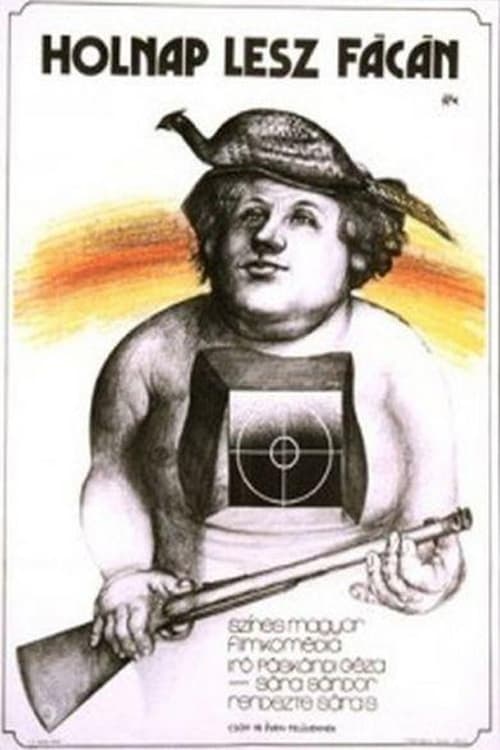
1974
Director
Sára Sándor
Runtime
77 minutes
Average Rating
No ratings yetNew Showbiz Analysis
Sára Sándor’s film is a sharp, satirical critique of the Kádár-era political landscape. It uses a grotesque parable to expose the absurdity of state-mandated social structures and institutional intrusion into private life. This provides a meaningful layer of social commentary that goes beyond simple domestic drama. However, the film is limited by the demographic realities of 1970s Hungary, which results in a lack of explicit markers regarding race, orientation, or disability.
Category Breakdown
The film centers around a loving couple, Mária and István, without explicitly addressing LGBTQ+ identities.
The story pits a couple against a male-dominated official hierarchy, suggesting a potential for resisting patriarchal structures.
Set in 1974 Hungary, the film reflects the demographic homogeneity of its time, focusing more on systemic critique than on racial diversity.
The film uses a grotesque parable to satirize the Kádár regime, presenting institutional authority as an intrusive and absurd force.
There is no information available regarding the depiction of physical or neurodivergent disabilities in this work.
Present on Screen
Limited or Absent
Official Synopsis
The loving couple of this grotesque parable parody of the Kádár-regime, Mária and István row to an uninhabited, idyllic island. Soon crazy tent-pitchers swarm to the island, led by an official representative of the regime.
1966
1964

1989

1966
1977
1992
1984
1981
No reviews yet. Be the first to share your thoughts on this movie!
Use the rating form above to leave a star rating and optional review.