Point of Order!
1964
No user ratings available yet
Diversity score: 3.6 out of 10
1971
GDirector
Emile de Antonio
Runtime
92 minutes
Average Rating
No ratings yetSynopsis
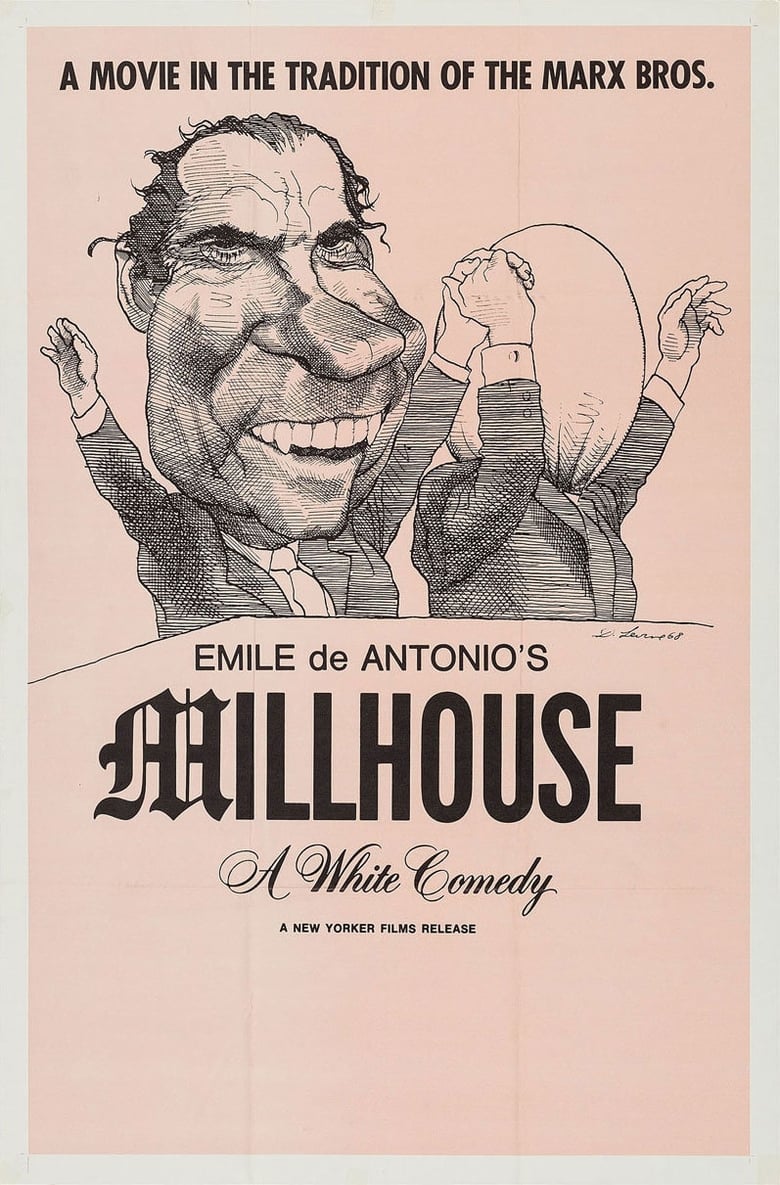
Emile de Antonio's film decimates Richard Nixon and exposes him as a paranoid, power mad lunatic... de Antonio compiles (via video and film) what amounts to the "best of" one of the worst political figures of the 20th century. Nixon was a shameless self-promoter while trying desperately to convince everyone that he wasn't. Through Alger Hiss and the "Checkers" speech to the character assassination of Helen Gahagan Douglas (among others), there are few stones left unturned.
Overall Score
Fair
Category Breakdown
LGBTQ+ Representation
The documentary focuses exclusively on mid-20th-century American political figures and newsreel footage. There is no discernible presence of LGBTQ+ characters, identities, or narratives within the archival material.
Gender Representation
The narrative is centered on male-dominated political spheres. While it documents the character assassination of Helen Gahagan Douglas, the film does not actively subvert gender hierarchies through character development.
Racial & Ethnic Diversity
The film reflects the era’s social constraints, documenting a period where the political landscape was overwhelmingly white and Anglo-Saxon. It does not center non-white agency or utilize race-bent casting.
Religious & Cultural Diversity
The film excels in its critique of traditional Western institutions. It portrays the American political establishment and media apparatus as inherently manipulative and prone to systemic corruption.
Disability Representation
There is no evidence of characters or individuals with visible or invisible disabilities being portrayed with agency or as central subjects within the documentary's scope.
Strengths
Areas for Improvement
AI Analysis
Millhouse is a radical deconstruction of mid-century American political mythology rather than a study of demographic inclusion. It uses archival montage to dismantle the perceived morality of leaders and the sanctity of Western institutions. The film's progressive value lies in its aggressive interrogation of institutional authority. By subverting the 'official' national narrative, it presents a sophisticated critique of how political reality is constructed. However, the work lacks intersectional representation. The archival focus remains tethered to a period of history defined by white, masculine-coded power structures, offering little visibility for marginalized identities.
1964

2021
2013
2004

2010
2013
2014

2018
2017
1993

2017
1992
No reviews yet. Be the first to share your thoughts on this movie!
Use the rating form above to leave a star rating and optional review.