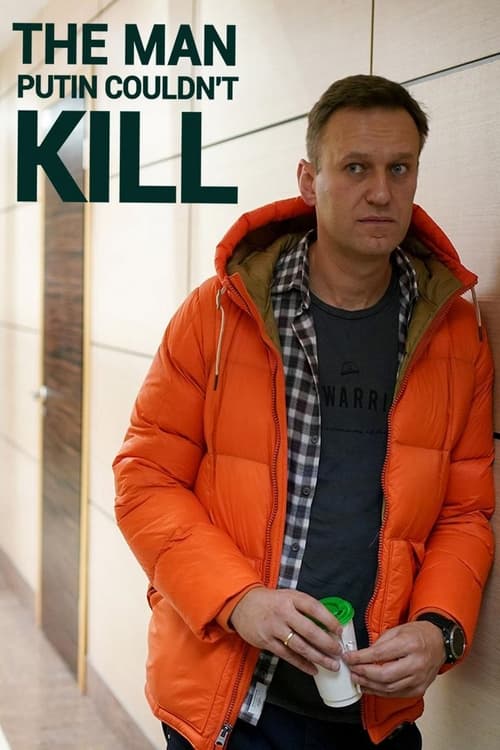
The Man Putin Couldn't Kill
2021
No user ratings available yet
Representation score: 7.5 out of 10

Representation Score
Limited
2021
Director
Alexei Navalny
Runtime
113 minutes
Average Rating
No ratings yetNew Showbiz Analysis
The documentary is a specialized investigative piece that prioritizes political exposure over demographic variety. Its narrative structure is built around challenging state hierarchies and uncovering systemic corruption rather than exploring social identities. While the film lacks representation for LGBTQ+ individuals, people with disabilities, or diverse ethnic groups, it achieves high marks for its cultural critique. It successfully deconstructs the concept of a stable state by portraying the ruling class as a kleptocratic entity. Ultimately, the film's impact lies in its disruption of institutional ideals. It positions the citizenry against an elite oppressor class, focusing on socioeconomic dysfunction rather than traditional demographic inclusion.
Category Breakdown
The documentary focuses solely on geopolitical corruption and investigative journalism. It does not include any characters or stories related to LGBTQ+ identities or experiences.
The film centers on masculine power dynamics and male figures within the Russian presidency. It lacks meaningful roles for women and does not challenge traditional gender hierarchies.
The subject matter is deeply rooted in the Russian political landscape. The figures investigated are predominantly from a single ethnic group, reflecting the specific context of the Russian elite.
The film excels by deconstructing state power and criticizing state-aligned capitalism. It portrays national institutions as corrupt tools for personal gain rather than stable authorities.
There is no documented focus on physical, neurodivergent, or mental health representation within this investigative work.
Present on Screen
Limited or Absent
Official Synopsis
After surviving poisoning by a Novichok nerve agent, Alexey Navalny made his most important film. Putin's Palace: History of World's Largest Bribe is about the palace near Gelendzhik that presumably belongs to Russian President Vladimir Putin. It also shows vineyards, corruption schemes and more.
2021
2020
2017
2019
2015
2011
2019

2022
No reviews yet. Be the first to share your thoughts on this movie!
Use the rating form above to leave a star rating and optional review.