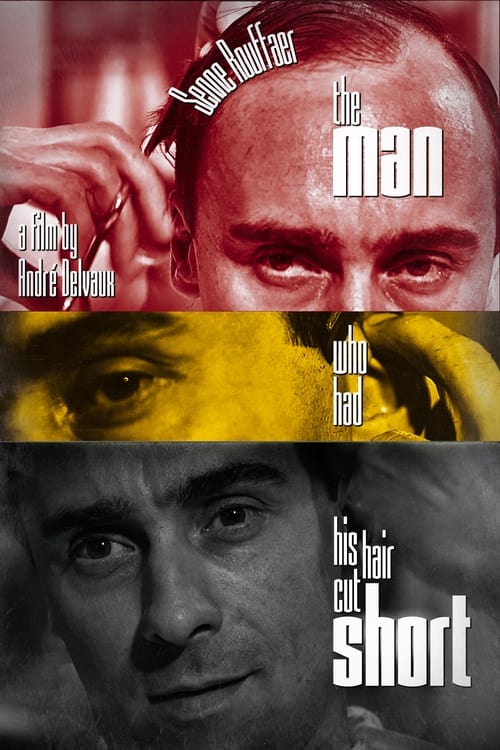
The Man Who Had His Hair Cut Short
1966
No user ratings available yet
Diversity score: 4.3 out of 10
1983
Director
André Delvaux
Runtime
105 minutes
Average Rating
No ratings yetSynopsis
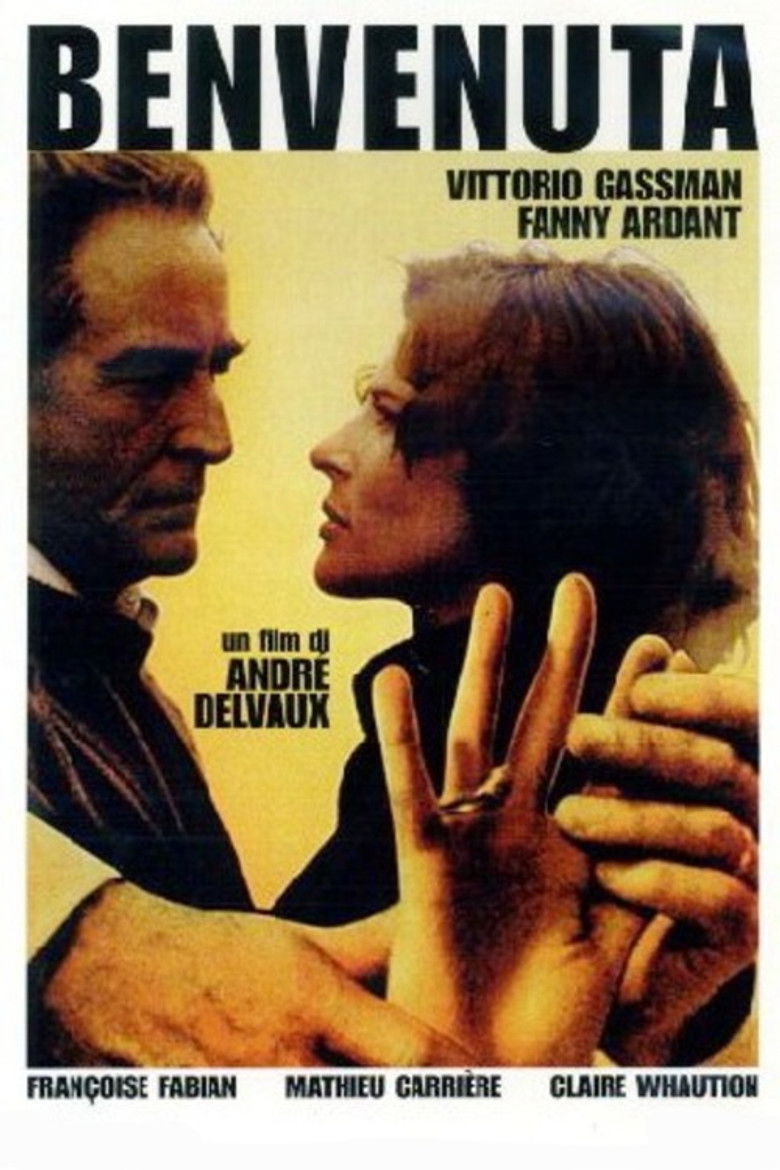
A passionate affair set against the intense encounter between a film-maker and a novelist. The story begins with young scriptwriter François tracking down the author of a once-scandalous novel. His aim is to adapt the work for the screen but several elements of the novel he finds difficult to comprehend. The author, Jeanne, is initially cautious of relaying information, insisting the presumably autobiographical book in no way relates to her personal life. However, eventually she takes the man into confidence to tell the background of Benvenuta.
Overall Score
Fair
Category Breakdown
LGBTQ+ Representation
The film centers on a passionate affair, suggesting a focus on romantic intimacy. However, there is no specific evidence confirming non-cisnormative identities or a critique of heteronormativity.
Gender Representation
Jeanne occupies a position of intellectual authority as a novelist. This dynamic disrupts traditional hierarchies by centering female agency and the complexities of a woman's subjective experience.
Racial & Ethnic Diversity
The narrative appears to operate within a traditional Western demographic framework. There is no evidence of non-white or non-Anglo-Saxon majority casting.
Religious & Cultural Diversity
The story explores the tension between media industry and individual creators. It touches on postmodern themes regarding the instability of truth and the consumption of personal experience.
Disability Representation
There is no mention of characters with visible or invisible disabilities within the narrative.
Strengths
Areas for Improvement
AI Analysis
Benvenuta is a sophisticated drama that prioritizes intellectual and psychological depth. The film's strength lies in its subversion of gender roles, positioning a female novelist as the primary authority and keeper of truth against a male interrogator. However, the work remains largely confined to a traditional Western framework. It lacks verifiable evidence of racial, LGBTQ+, or disability-related diversity, focusing instead on a specific European intellectual encounter. Ultimately, the film offers a nuanced study of female agency and the intersection of art and autobiography, even if it lacks broader intersectional representation.
1966
1973
1968
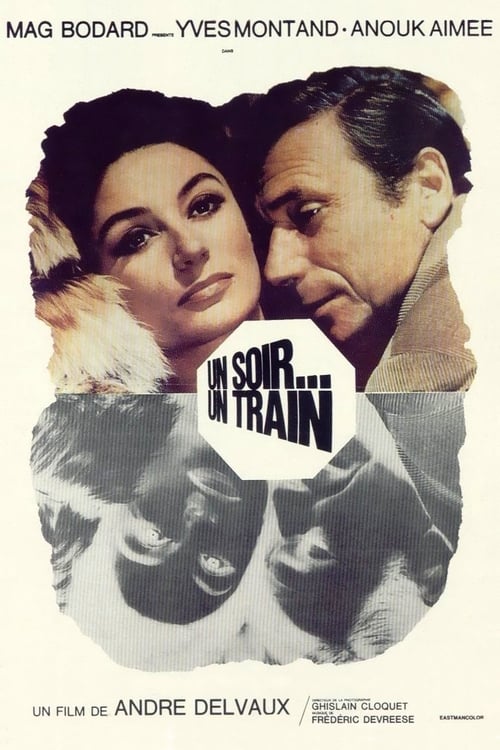
1968
1985
1988
1968
1994

2000

1998
1989

1966
No reviews yet. Be the first to share your thoughts on this movie!
Use the rating form above to leave a star rating and optional review.