
The Wedding
1973
No user ratings available yet
Representation score: 4.1 out of 10
Representation Score
Good
2012
PG-13Director
Umut Dağ
Runtime
93 minutes
Average Rating
No ratings yetNew Showbiz Analysis
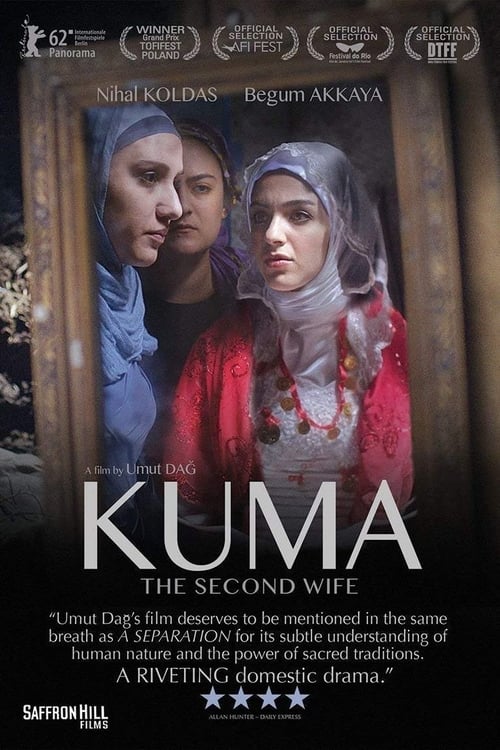
Kuma: The Second Wife offers a nuanced exploration of the tension between diaspora identities and traditional structures. By focusing on the Turkish immigrant experience in Vienna, the film avoids a homogenous Western perspective and provides depth to non-Anglo-Saxon storytelling. The film's strength lies in its critical examination of power dynamics. Instead of idealizing traditional customs, it exposes them as tools of deception and hardship for women. This deconstruction of patriarchal institutions delivers a powerful social critique. However, the film lacks representation for LGBTQ+ identities and characters with disabilities. These narrative gaps limit its overall diversity.
Category Breakdown
The film focuses on traditional heterosexual and patriarchal structures, including polygamous arrangements. It does not include characters or narratives that challenge these traditional gender roles.
Women like Ayse and Fatma have limited control over their lives. The film critiques traditional hierarchies by showing the second wife arrangement as a misleading practice.
The story provides significant representation of the Turkish diaspora experience. It explores the intersection of ethnicity and tradition through the immigrant experience in Vienna.
The film portrays traditional family structures and patriarchal customs as sources of systemic oppression. It deconstructs traditionalist social norms within a modern European context.
There are no characters with visible or invisible disabilities mentioned in the narrative.
Present on Screen
Limited or Absent
Official Synopsis
Fatma is around 50, a housewife with six children. She lives in Vienna but grew up in Turkey and clings stubbornly to the traditions and values of the old country. Ayse is 19, and the film begins with her wedding in rural Turkey, to Fatma’s son Hasan. However, when the family takes Ayse to Vienna this is revealed as a charade, for Ayse is to be the kuma (second wife) of Fatma’s husband Mustafa.
1973
1997
2012
2011

1986
1998
2000

2017
No reviews yet. Be the first to share your thoughts on this movie!
Use the rating form above to leave a star rating and optional review.