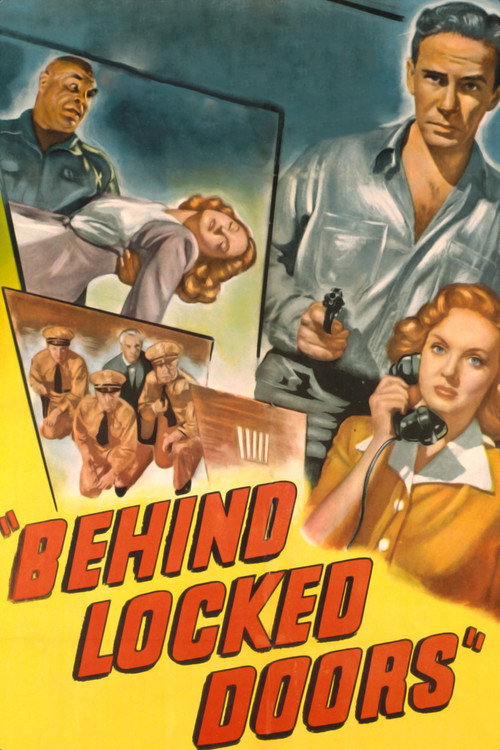
Behind Locked Doors
1948
No user ratings available yet
Representation score: 2.5 out of 10
Representation Score
Minimal
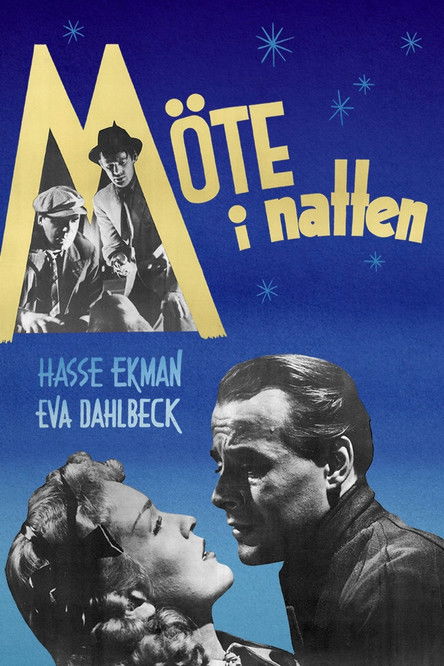
1946
Director
Hasse Ekman
Runtime
87 minutes
Average Rating
No ratings yetNew Showbiz Analysis
Meeting in the Night is a mid-century crime thriller that emphasizes psychological tension and genre conventions over identity-based exploration. The narrative structure revolves around a journalist's efforts to expose flaws within the Swedish prison system. While the film delves into themes of institutional transparency and the conflict between individual and state authority, it does so through the lens of professional ethics. It lacks the layered representation of diverse identities and experiences expected in contemporary cinema. Ultimately, the film reflects its historical context, focusing on the mechanics of a crime rather than addressing broader social or systemic issues.
Category Breakdown
The film does not include any representation of LGBTQ+ identities or non-traditional gender expressions. The story focuses on the mechanics of a staged crime and journalistic pursuits.
The story centers on a male protagonist driven by professional ambitions. Female characters play supporting roles without challenging traditional gender hierarchies.
The film depicts a homogeneous social landscape typical of mid-1940s Sweden. There is no evidence of non-white actors or racial diversity within the urban noir setting.
The narrative critiques institutional structures by examining the prison service. It explores the tension between individual truth and state authority through a journalistic lens.
There is no discernible representation of characters with visible or invisible disabilities in the narrative arc.
Present on Screen
Limited or Absent
Official Synopsis
A journalist is writing a critical article about the prison service in Sweden. The magazine's editor in chief does not agree with him and removes the article. The journalist then plans to fake a crime to gain knowledge about life in prison.
1948

1956
1951
1948
1969

1946
1984

1940
No reviews yet. Be the first to share your thoughts on this movie!
Use the rating form above to leave a star rating and optional review.