
In Cold Blood
1967
No user ratings available yet
Representation score: 2.6 out of 10
Representation Score
Good
1966
NRDirector
Arthur Penn
Runtime
135 minutes
Average Rating
No ratings yetNew Showbiz Analysis
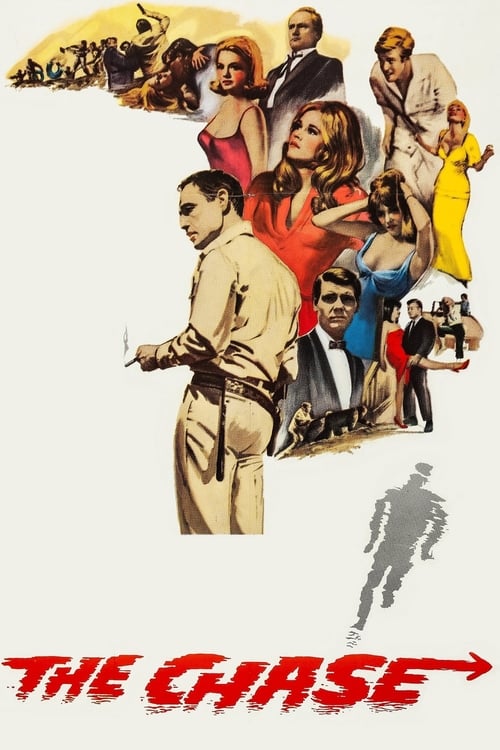
The Chase focuses on the deconstruction of the American social fabric, highlighting how media spectacle can lead to a community's collapse. Despite its strong thematic subversion of social structures, the film lacks demographic diversity in terms of race and LGBTQ+ identities. Its strength lies in its cultural critique and its ability to challenge established hierarchies. Using a small-town setting, it exposes the fragility of law enforcement and civic morality in the face of voyeurism. However, the film remains limited by its period-specific homogeneity, reflecting a narrow focus on a specific Southern social breakdown.
Category Breakdown
The film follows a traditional mid-century framework where everyone is assumed to be straight or cisgender. There are no explicit queer stories or characters with non-cisgender identities.
Sue serves as a liberating figure who challenges the rigid gender roles of the era. She plays a significant role in driving the story, taking control and acting on her own terms.
The setting is predominantly white, reflecting the homogeneity of the mid-1960s South. The story does not include diverse racial representation or casting.
The film provides a critical look at the stability and order of Western society. It portrays the breakdown of community morals due to media spectacle.
There is no intentional depiction of physical disabilities or neurodivergence. The film explores collective psychological issues rather than individual disabilities.
Present on Screen
Limited or Absent
Official Synopsis
The escape of Bubber Reeves from prison affects the inhabitants of a small Southern town.
1967
1941
1974
1958
1980
1947
1973

1976
No reviews yet. Be the first to share your thoughts on this movie!
Use the rating form above to leave a star rating and optional review.