
Giovannona Long-Thigh
1973
No user ratings available yet
Representation score: 1.8 out of 10

Representation Score
Fair
1976
Director
Franco Rossetti
Runtime
99 minutes
Average Rating
No ratings yetNew Showbiz Analysis
This 1976 comedy serves as a social satire specific to its time. It stands out for its critique of traditional gender hierarchies, allowing female characters to take charge through strategic manipulation of male political figures. However, the film remains constrained by the social norms of its era. It lacks representation of LGBTQ+ identities, racial diversity, and characters with disabilities, focusing instead on a homogeneous European social landscape and traditional romantic clichés. Ultimately, the film offers a nuanced critique of political ambition and moral relativism, despite its narrow demographic scope.
Category Breakdown
The story focuses on heterosexual relationships and political betrayal. There is no representation of non-straight identities or critiques of the assumption that everyone is straight.
Livia avoids a passive role, taking a significant part in driving the story by orchestrating a plan to undermine a man's career. Her actions challenge traditional male-dominated leadership structures.
The cast and setting reflect a homogeneous European society. There is no evidence of racial diversity or the inclusion of actors from non-majority backgrounds.
The narrative critiques traditional power structures by framing conflicts around political corruption. It emphasizes situational ethics and the breakdown of institutional integrity.
The film contains no mention or depiction of characters with visible or invisible disabilities.
Present on Screen
Limited or Absent
Official Synopsis
Noblewoman Livia and her friend Marquis Cecco Ottobuoni take revenge against politician Fabrizio Siniscalchi, Livia's lover who dumped her for political reasons, by setting him up with a young prostitute Anna to cause a scandal.
1973
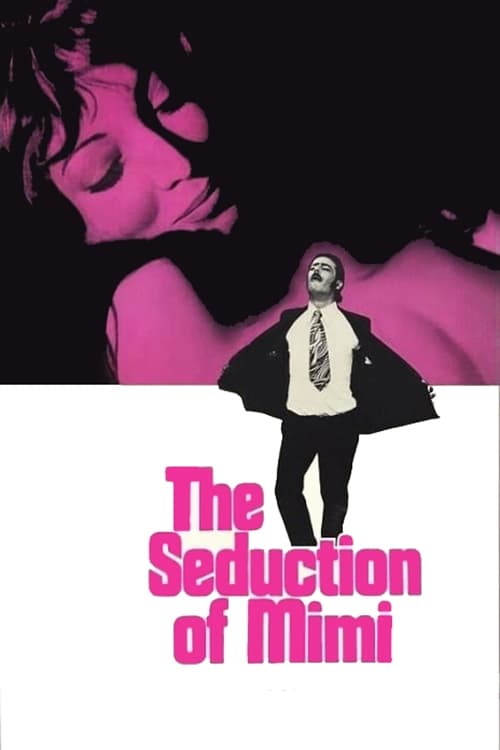
1972

1986
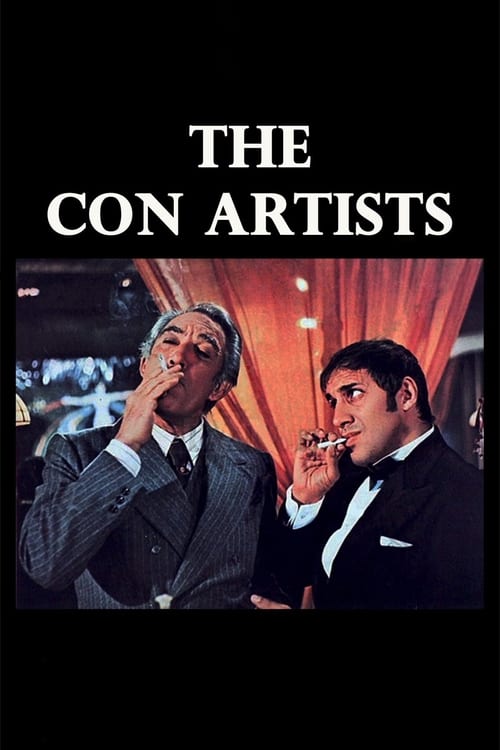
1976
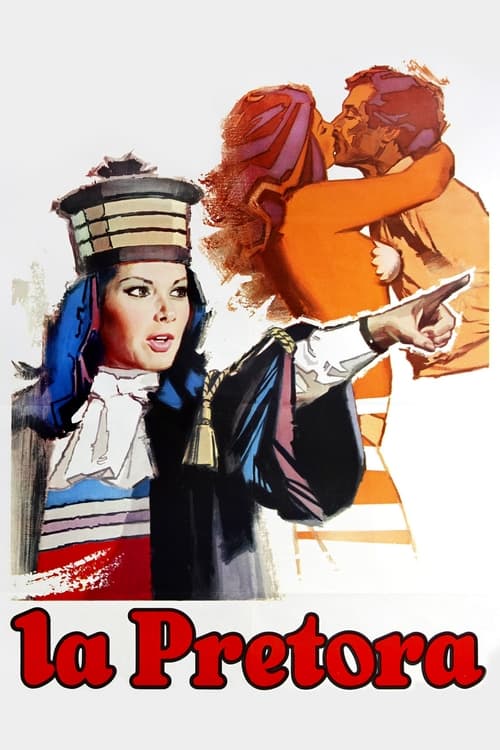
1976
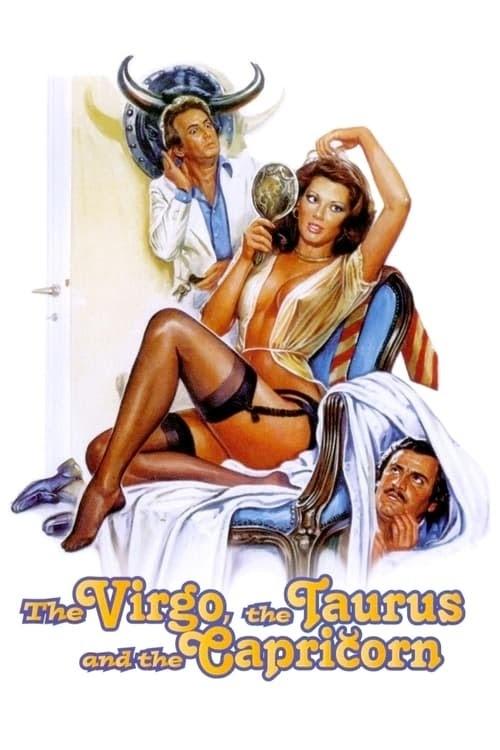
1977
1976

1962
No reviews yet. Be the first to share your thoughts on this movie!
Use the rating form above to leave a star rating and optional review.