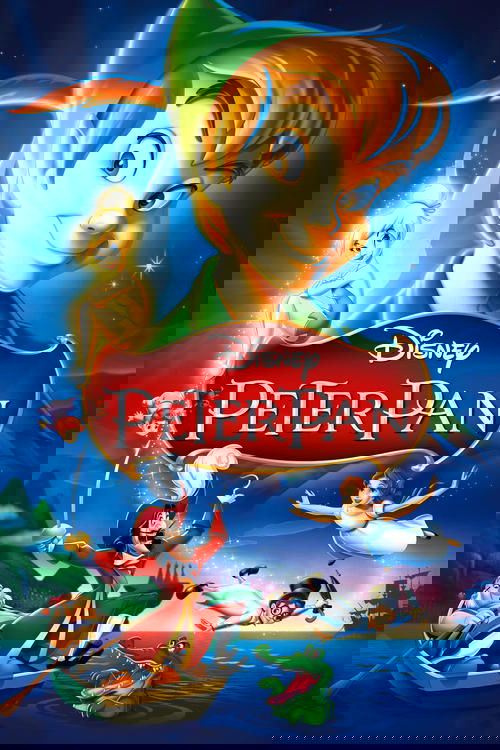
Peter Pan
1953
No user ratings available yet
Representation score: 1.6 out of 10
Representation Score
Limited
1939
GDirector
Victor Fleming
Runtime
102 minutes
Average Rating
No ratings yetNew Showbiz Analysis
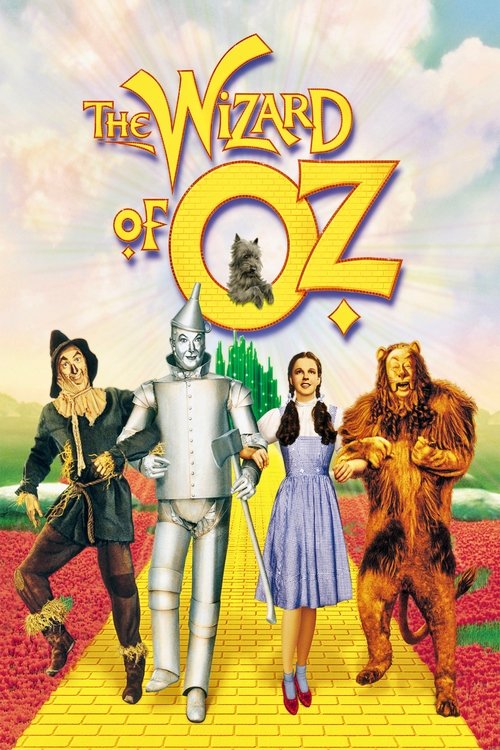
The film is a classic example of Hollywood storytelling from the Golden Age, prioritizing traditional narratives over modern complexities. It places a young girl in a central role, which disrupts some passive female stereotypes through Dorothy's journey. However, the story structure follows traditional hierarchies and norms of the time. It does not address modern intentions around racial diversity or the dismantling of institutional power. Overall, the work upholds established social structures and traditional Western values without challenging them through diverse or non-conventional perspectives.
Category Breakdown
The film does not include any LGBTQ+ characters or themes that question the assumption that everyone is straight or cisgender. The social dynamics are based on traditional early 20th-century relationships.
Dorothy Gale is portrayed as a strong, independent character who drives the story forward. She seeks guidance from figures like Glinda but ultimately leads the adventure herself.
The cast is primarily made up of actors from similar backgrounds, reflecting the casting standards of the 1930s. The Munchkins are depicted in a stylized, archetypal manner rather than being shown with nuanced ethnic identities.
The story emphasizes Western values, particularly the importance of the nuclear family and domestic stability. It presents a clear moral binary between good and evil.
Characters like the Tin Man and Scarecrow represent physical differences symbolically. However, they function as companions rather than characters with lived experiences of disability.
Present on Screen
Limited or Absent
Official Synopsis
Young Dorothy finds herself in a magical world where she makes friends with a lion, a scarecrow and a tin man as they make their way along the yellow brick road to talk with the Wizard and ask for the things they miss most in their lives. The Wicked Witch of the West is the only thing that could stop them.
1953
1963

2016
1958

2003

1957

2022
1982
No reviews yet. Be the first to share your thoughts on this movie!
Use the rating form above to leave a star rating and optional review.