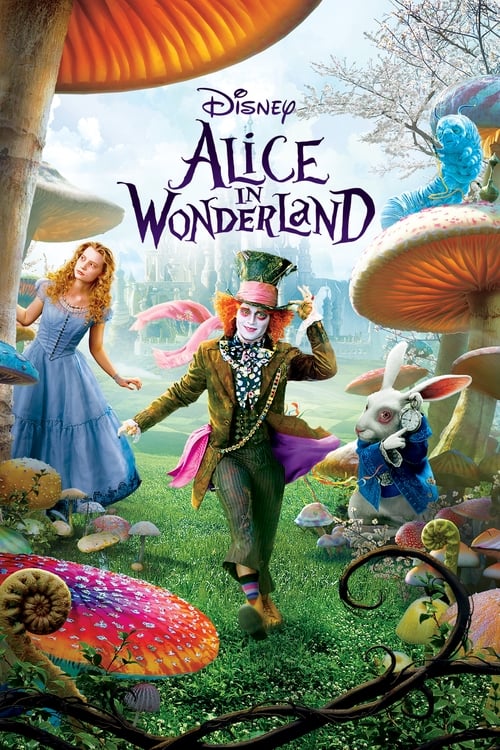
Alice in Wonderland
2010
No user ratings available yet
Representation score: 6.5 out of 10
Representation Score
Fair
2016
PGDirector
James Bobin
Runtime
113 minutes
Average Rating
No ratings yetNew Showbiz Analysis
Alice Through the Looking Glass challenges traditional gender roles by featuring a strong, intelligent female protagonist. Alice leads the plot through her intellect and active role, offering a refreshing contrast to passive fairy-tale stereotypes. However, the film maintains a conventional cast composition. The story avoids addressing complex identity issues or broader social critiques. While the film highlights its female lead, it falls short in representing diverse backgrounds and identities.
Category Breakdown
The film does not include explicit LGBTQ+ characters or non-cisgender identities. Relationships in the film follow traditional heterosexual norms without any queer storylines.
Alice Kingsleigh actively drives the story and avoids being a damsel in distress. The film passes the Bechdel test through meaningful conversations between female characters.
The main cast is predominantly white, reflecting a Victorian-themed look. There is no significant racial diversity among the main characters.
The story is set in a secular fantasy world, avoiding references to religion or traditional Western culture. It focuses on personal memories rather than broader cultural critiques.
The film does not specifically address visible or invisible disabilities. Eccentric behaviors are portrayed as whimsical traits rather than meaningful explorations of neurodivergence or physical conditions.
Present on Screen
Limited or Absent
Official Synopsis
Alice Kingsleigh returns to Underland and faces a new adventure in saving the Mad Hatter.
2010
1999
2010

1985
2018
2021

2022
2008
No reviews yet. Be the first to share your thoughts on this movie!
Use the rating form above to leave a star rating and optional review.