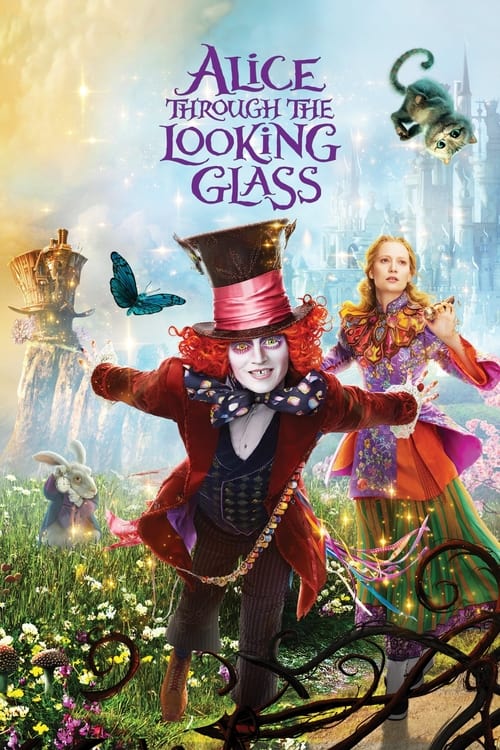
Alice Through the Looking Glass
2016
No user ratings available yet
Representation score: 5.0 out of 10
Representation Score
Good
2010
PGDirector
Tim Burton
Runtime
108 minutes
Average Rating
No ratings yetNew Showbiz Analysis
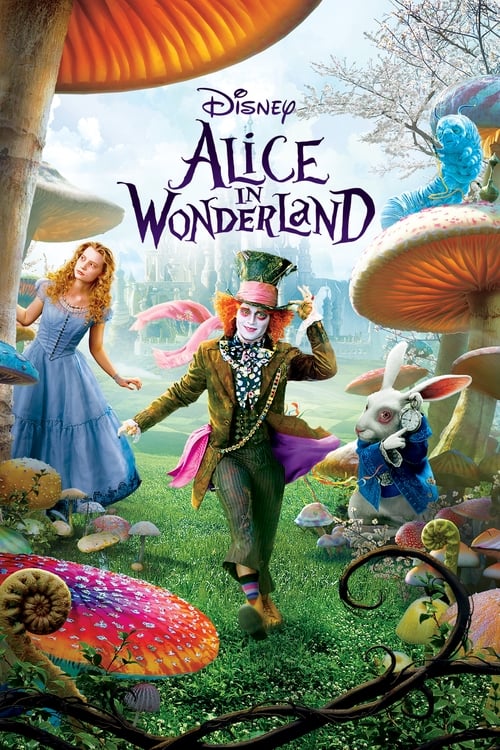
Tim Burton’s film emphasizes the outsider experience, balancing traditional casting with modern themes. Alice stands out as a leader who defies societal expectations, particularly those of her time. The movie falls short in terms of racial and LGBTQ+ representation. The cast is primarily white, and the film’s portrayal of 'otherness' is through surreal elements rather than diverse human identities. Overall, the film highlights individual ability to act, effectively challenging traditional power structures while relying on eccentric styles to depict neurodevelopmental traits.
Category Breakdown
The film does not include explicit same-sex relationships or characters with non-binary gender identities. The Mad Hatter's unusual behavior does not serve as a deliberate LGBTQ+ storyline.
Alice challenges the traditional Victorian gender roles by rejecting marriage and domestic life. She actively leads the fight against the Red Queen, showcasing her intelligence and physical strength.
The cast is predominantly white, reflecting an Anglo-centric perspective. Although the fantastical setting of Underland creates a sense of 'otherness,' it does not represent racial or ethnic diversity.
The film critiques established authority and tyranny. Alice rejects conventional Western social norms in favor of personal freedom and systemic change.
Characters such as the Mad Hatter exhibit traits associated with neurodevelopmental differences. However, these portrayals tend to be whimsical rather than deeply reflective of lived disability experiences.
Present on Screen
Limited or Absent
Official Synopsis
Alice, now 19 years old, returns to the whimsical world she first entered as a child and embarks on a journey to discover her true destiny.
2016
1999

2005

1985

2003
2008

2022
1990
No reviews yet. Be the first to share your thoughts on this movie!
Use the rating form above to leave a star rating and optional review.