
Lesbo Killer Dolls
2014
No user ratings available yet
Diversity score: 5.7 out of 10
2004
NRDirector
Jimmyo Burril
Runtime
83 minutes
Average Rating
No ratings yetSynopsis
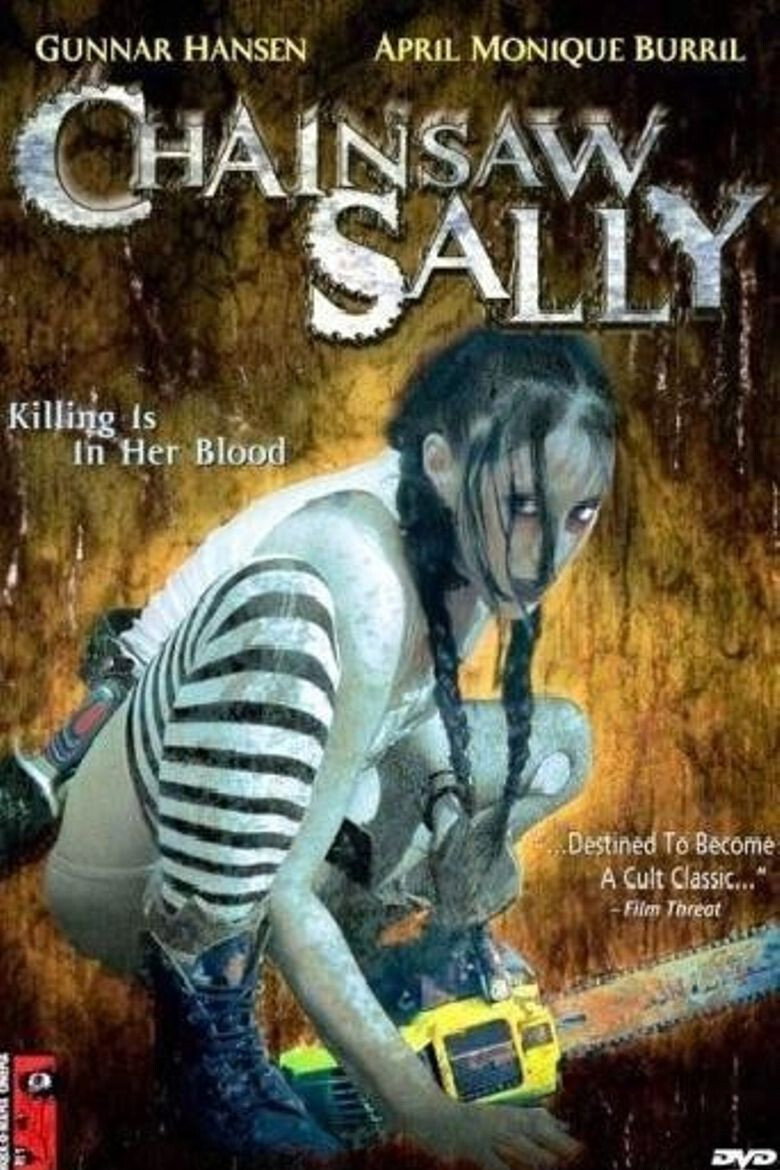
Sally is a young woman living two lives: a calmly librarian by day, and a brutal serial killer by night where she randomly targets any man or woman whom even slightly upsets her. Sally lives with her reclusive, transvestite younger brother Rudy whom assists her with the killings. Both Sally and Ruby were traumatized as children when both of them witnessed three lunatics murder their mother and father before they, with 'Daddy's' help, killed the three murderous psychos.
Overall Score
Limited
Category Breakdown
LGBTQ+ Representation
Rudy, the protagonist's brother, is identified as a transvestite. His presence provides visibility for a non-cisnormative identity within the central sibling dynamic.
Gender Representation
Sally subverts the damsel trope by acting as a dominant, proactive force. She exerts extreme agency through her violent, reactionary lifestyle.
Racial & Ethnic Diversity
The narrative lacks any evidence of non-white or non-Anglo-Saxon characters. There is no indication of racial blending or intersectional ethnic dynamics.
Religious & Cultural Diversity
The film critiques traditional Western domestic ideals by focusing on a dysfunctional, trauma-driven family unit. It explores subjective morality and the rejection of standard legal institutions.
Disability Representation
Characters exhibit reclusive behaviors, but these appear driven by trauma. There is no clear evidence of intentional disability representation.
Strengths
Areas for Improvement
AI Analysis
Chainsaw Sally succeeds in disrupting traditional power hierarchies by centering a female lead who wields decisive, albeit destructive, agency. The inclusion of Rudy provides a degree of LGBTQ+ visibility within the core cast. However, the film fails to provide any racial or ethnic intersectionality. The narrative remains strictly focused on the psychological and familial elements of the white protagonists. Ultimately, the film functions as a narrow character study of trauma. While it subverts gendered tropes, its lack of racial breadth prevents a higher diversity score.
2014
2005

2009

2003

2005
1993

2019
2010

1975
2015

2002
1991
No reviews yet. Be the first to share your thoughts on this movie!
Use the rating form above to leave a star rating and optional review.