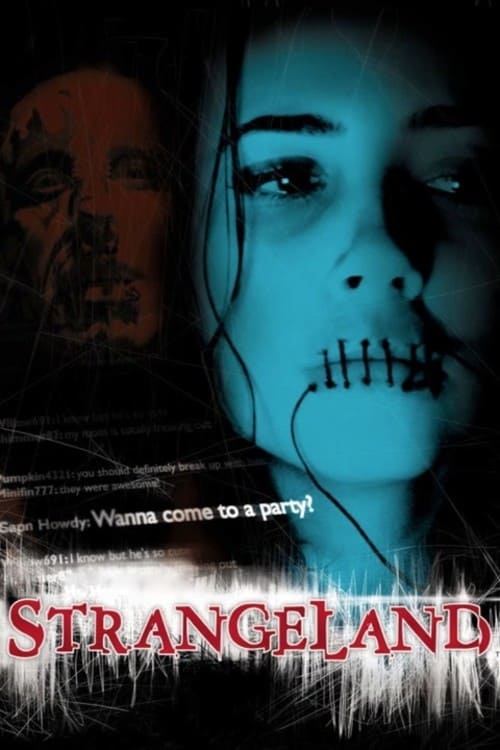
Strangeland
1998
No user ratings available yet
Representation score: 5.0 out of 10
Representation Score
Minimal
1980
RDirector
William Lustig
Runtime
88 minutes
Average Rating
No ratings yetNew Showbiz Analysis
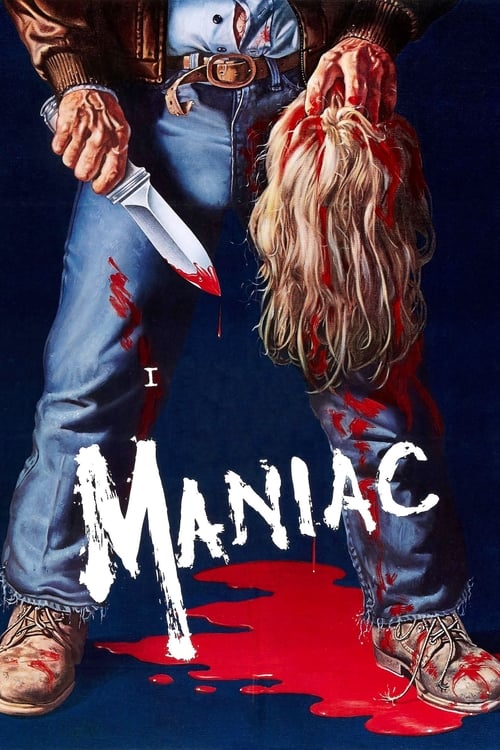
Maniac is a classic 1980s exploitation film that emphasizes visceral psychological terror over social commentary. The narrative structure relies on traditional, regressive hierarchies, particularly the male predator versus female victim dynamic. The film does not prioritize inclusive representation, presenting a narrow view of identity. It uses psychological instability and trauma as mere plot devices rather than exploring them with depth or nuance. Ultimately, the work examines individual madness within a generic urban setting, failing to engage with multi-layered values or challenge conventional social norms.
Category Breakdown
The film does not include any notable LGBTQ+ characters or non-straight relationships. The story centers around the male protagonist's predatory behavior towards women.
The story follows regressive slasher movie clichés, where women are primarily passive victims rather than active participants. The narrative emphasizes a male aggressor versus female victims dynamic.
The film features a predominantly white cast typical of early 1980s low-budget urban horror. There is no effort to include diverse characters or challenge systemic norms.
The narrative focuses on an individual's descent into madness rather than critiquing systemic issues related to religion or capitalism. It does not engage with broader social rebellions or critiques.
Mental health struggles and childhood trauma are used as plot drivers, but they are portrayed as sources of violent behavior. The film uses the 'madman' stereotype without nuanced portrayals of neurodiversity.
Present on Screen
Limited or Absent
Official Synopsis
A psychotic man, troubled by his childhood abuse, kills and mutilates young women and local models on the streets of New York City.
1998
1981
1975

1986
1974
1978

2003
1988
No reviews yet. Be the first to share your thoughts on this movie!
Use the rating form above to leave a star rating and optional review.