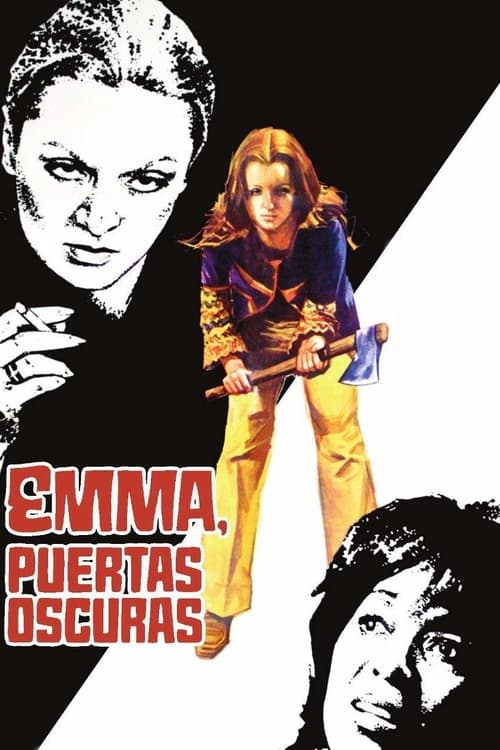
Emma, Dark Doors
1974
No user ratings available yet
Representation score: 5.2 out of 10
Representation Score
Limited
1987
RDirector
Chuck Vincent
Runtime
83 minutes
Average Rating
No ratings yetNew Showbiz Analysis
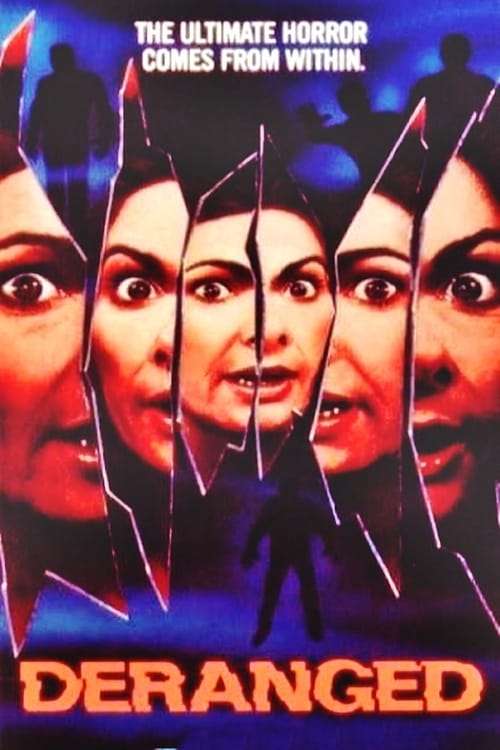
Deranged is a conventional 1980s psychological horror film that focuses on individual pathology rather than broader social representation. It adheres to the established clichés of the slasher genre, emphasizing the collapse of a seemingly ideal domestic life. The film lacks depth in its portrayal of diverse identities, presenting a uniform cast and a traditional social structure. While it features a central female protagonist, her character is more defined by vulnerability and trauma than by active involvement or challenges to gender norms. Ultimately, the narrative leverages mental health and domestic stability as tools for suspense. It steers clear of broader social critiques, instead delving into the fragility of middle-class life through the lens of individual psychopathy.
Category Breakdown
The film does not include any LGBTQ+ characters or themes. Relationships stay within traditional heterosexual norms.
Joyce is the main character, but her role is often overshadowed by her status as a victim. The story emphasizes the conventional roles of the 1980s wife and soon-to-be mother.
The cast appears uniform, representing a typical Western, middle-class setting. There is no indication of deliberate inclusion of diverse races or ethnicities.
The film centers on traditional Western values and the sanctity of the nuclear family. The narrative highlights domestic harmony over broader cultural critiques.
Psychological trauma and mental instability fuel the horror. However, these elements serve primarily as plot devices rather than detailed explorations of mental health issues.
Present on Screen
Limited or Absent
Official Synopsis
Joyce seems to have the perfect life - she lives in a nice apartment with a wealthy husband, is soon going to give birth to a baby boy, and has all the money she'll ever need. But while her husband is away in London on business, Joyce is attacked by a masked intruder, that unleashes within her a frightened little girl, haunted by her "special" relationship with her daddy, and a crazed madwoman who is hungry for revenge. From then on, Joyce's wild hallucinations take over, and she begins to murder anyone and everyone who comes near her, in a violent fit of rage.
1974
1977

2000
1971
1986
2005

1988
1980
No reviews yet. Be the first to share your thoughts on this movie!
Use the rating form above to leave a star rating and optional review.