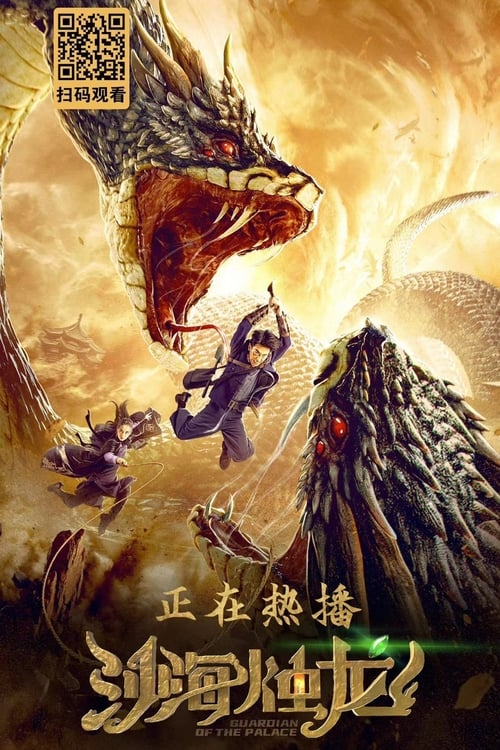
Guardian of the Palace
2020
No user ratings available yet
Diversity score: 4.3 out of 10
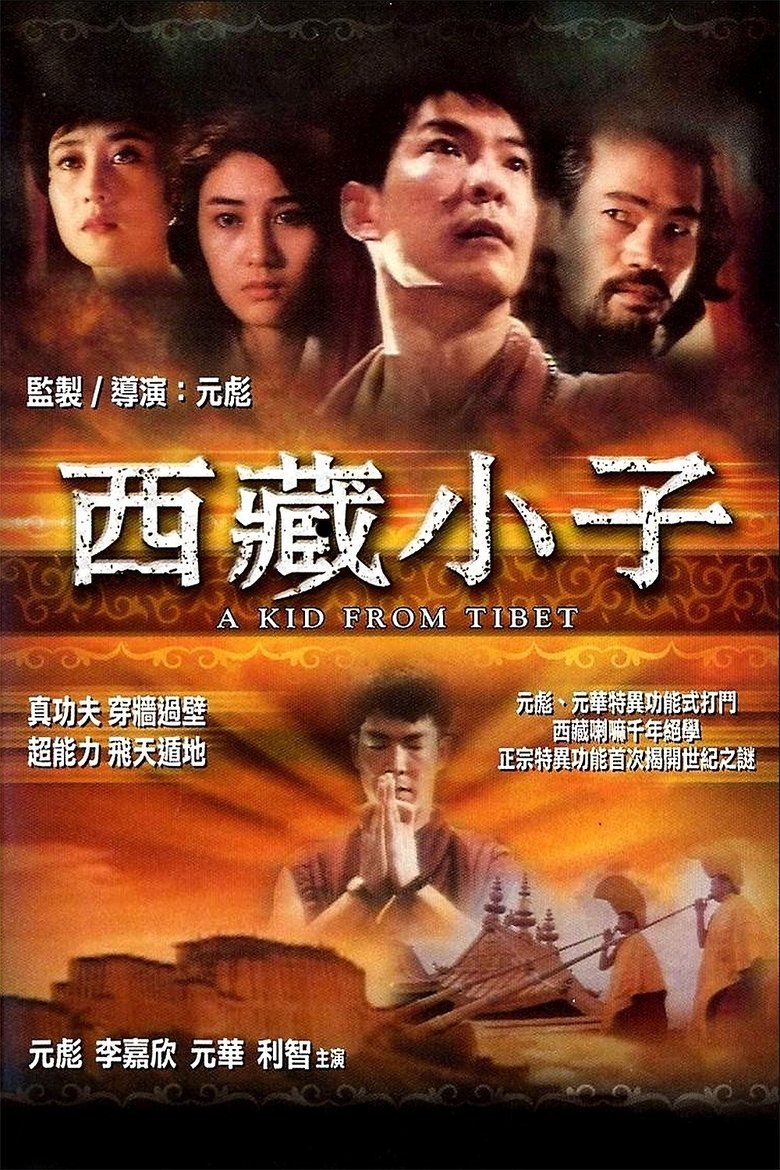
1992
Director
Yuen Biao
Runtime
96 minutes
Average Rating
No ratings yetSynopsis
As the evil sect known as the Black Section of Esoteric Buddhism wreaks havoc on Tibet, a young monk named Wong La (Biao Yuen) is sent to Hong Kong to recover a sacred urn that holds the power to defeat the enemies. Wong soon meets and safeguards a gorgeous woman (Michelle Reis) connected to the urn's protector, while the leader of the Black Section learns of Wong's plan and pursues the urn for himself in this martial arts thriller.
Overall Score
Limited
Category Breakdown
LGBTQ+ Representation
The film follows conventional 1990s action-adventure structures. There is no evidence of non-cisnormative identities or same-sex intimacy, focusing instead on traditional romantic interests and mentor-student hierarchies.
Gender Representation
Male agency dominates the narrative, following standard martial arts protagonist models. While a female character provides a central plot connection, she functions primarily as a catalyst for the male lead's journey.
Racial & Ethnic Diversity
The film offers meaningful representation of Tibetan culture and landscapes. By centering a Tibetan protagonist, it avoids Anglo-centric perspectives, though casting remains within the established Hong Kong talent pool.
Religious & Cultural Diversity
The story centers on Esoteric Buddhism and localized spiritual traditions. Conflict is driven by the protection of sacred objects against an evil sect, adhering to classical heroic archetypes.
Disability Representation
There is no discernible representation of physical or neurodivergent disabilities. The narrative focus remains strictly on the physical prowess and martial capabilities of the characters.
Strengths
Areas for Improvement
AI Analysis
A Kid from Tibet is a quintessential genre piece that prioritizes physical spectacle and traditional storytelling over intersectional complexity. It succeeds in providing a non-Western cultural backdrop by centering a Tibetan protagonist and focusing on regional spiritual stakes. However, the film remains tethered to conventional social hierarchies. The narrative architecture reinforces established masculine leadership roles and heteronormative structures common to early 90s Hong Kong action cinema. Ultimately, the film functions as a standard martial arts thriller. It lacks the intentionality required to disrupt traditional gender roles or engage deeply with contemporary identity politics.
2020
2013
1987
2001
1992
1992
2005
2002
1978
1959
1984
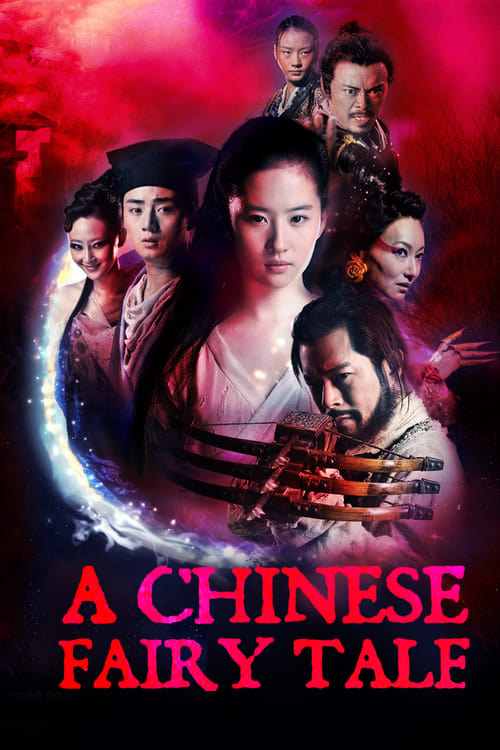
2011
No reviews yet. Be the first to share your thoughts on this movie!
Use the rating form above to leave a star rating and optional review.