For Those in Peril
1944
No user ratings available yet
Diversity score: 1.6 out of 10
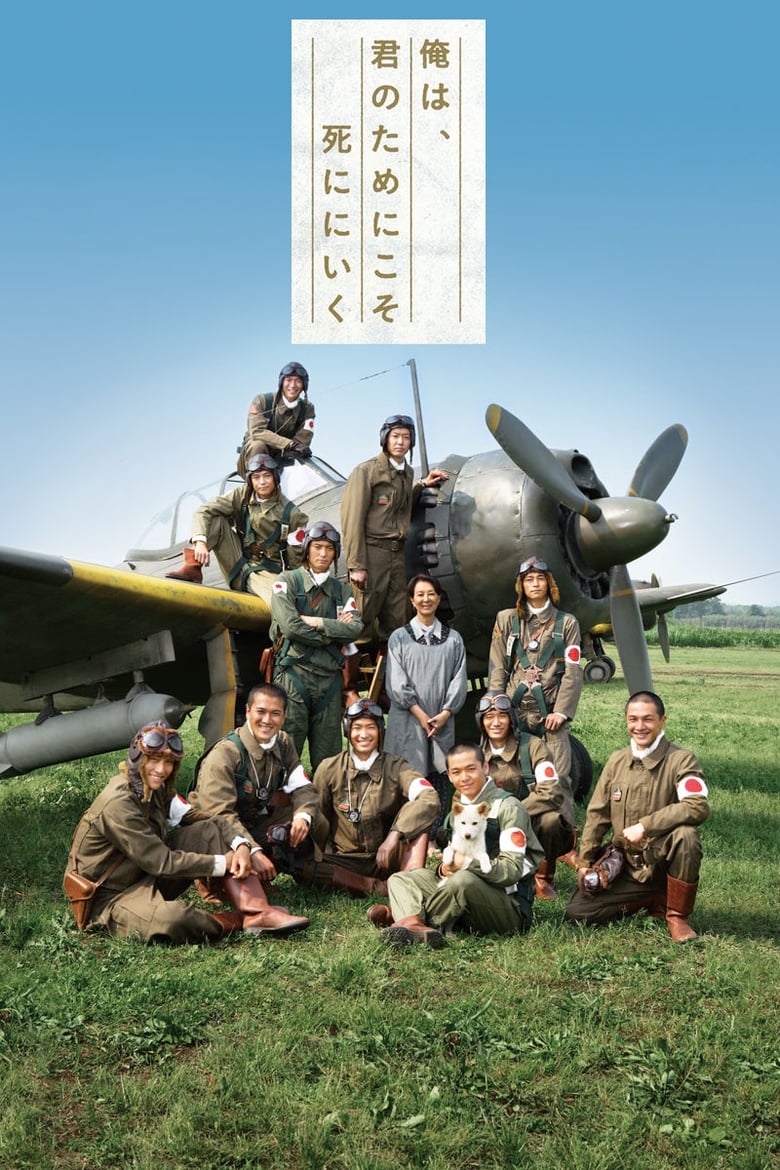
2007
Director
Taku Shinjo
Runtime
135 minutes
Average Rating
No ratings yetSynopsis
In 1943, as Japan's WWII effort falters, a vice-admiral proposes training squadrons of "volunteer" flyers to crash their armed planes into Allied warships. Yarn follows the lives of kamikaze pilots, as remembered by an aging Kyushu restaurateur who cherishes their memory. Honoring the dead and multiple military anthems may stir the soul of some Japanese, but elsewhere auds will make a one-way trip for exits. Battle scenes are well-executed and script delivers some memorable scenes, but overall competent helming and thesping are powerless over writer-cum-Tokyo governor Shintaro Ishiara's repetitive storytelling. A post-war postscript adds considerable length to an already over-extended narrative. Tech credits are good quality.
Overall Score
Minimal
Category Breakdown
LGBTQ+ Representation
The film lacks LGBTQ+ characters or narratives. It operates within a traditionalist military framework that offers no critique of heteronormativity.
Gender Representation
The story centers on male-dominated military aviation. It reinforces traditional masculine hierarchies of sacrifice without portraying female agency or subverting gender roles.
Racial & Ethnic Diversity
The narrative functions within a homogeneous ethnic framework. It adheres to the historical reality of the era's military structure without intersectional casting.
Religious & Cultural Diversity
The film validates state-sanctioned sacrifice and nationalistic duty. It prioritizes traditional honor codes and patriotism over anti-institutional critiques.
Disability Representation
There is no information available regarding the portrayal of physical or neurodivergent disabilities in this production.
Strengths
Areas for Improvement
AI Analysis
For Those We Love is a traditionalist historical drama that prioritizes national identity and military honor. The narrative architecture is built around the kamikaze pilots of WWII, focusing heavily on masculine hierarchies and institutional loyalty. While the technical execution and battle scenes are competent, the writing leans toward a repetitive, commemorative style. The film functions as a preservation of historical memory rather than a deconstruction of systemic power or social hierarchies. Ultimately, the film offers very little engagement with intersectional identities. It remains firmly rooted in a homogeneous, traditionalist perspective that aligns with state-sanctioned values of the era.
1944
1981
1953
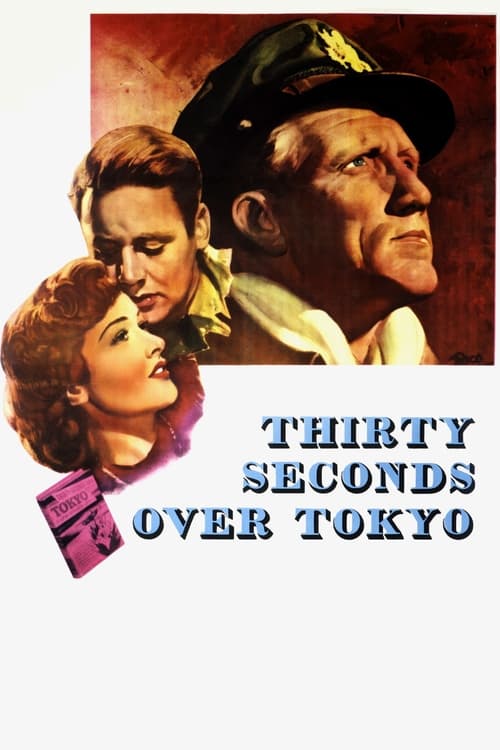
1944

1938

1956
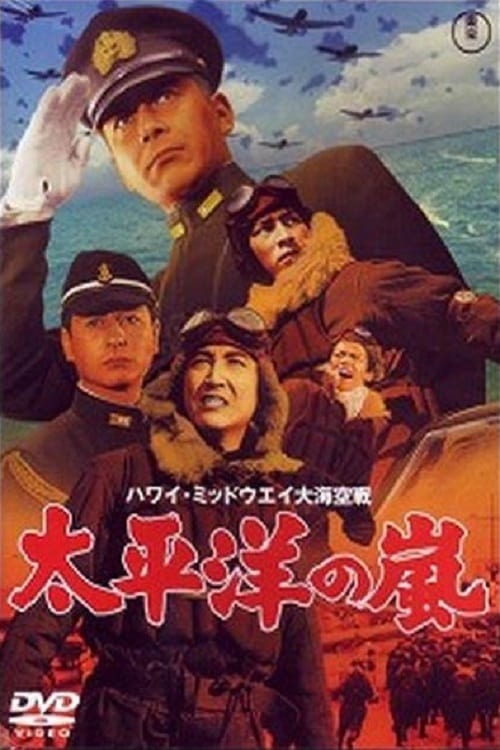
1960
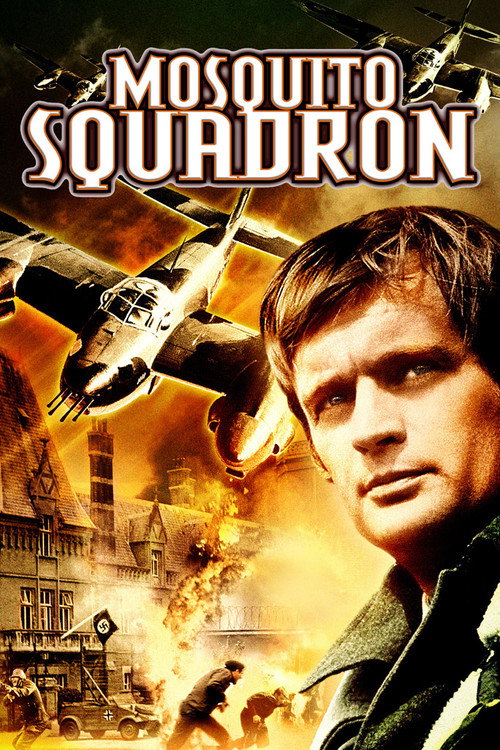
1969
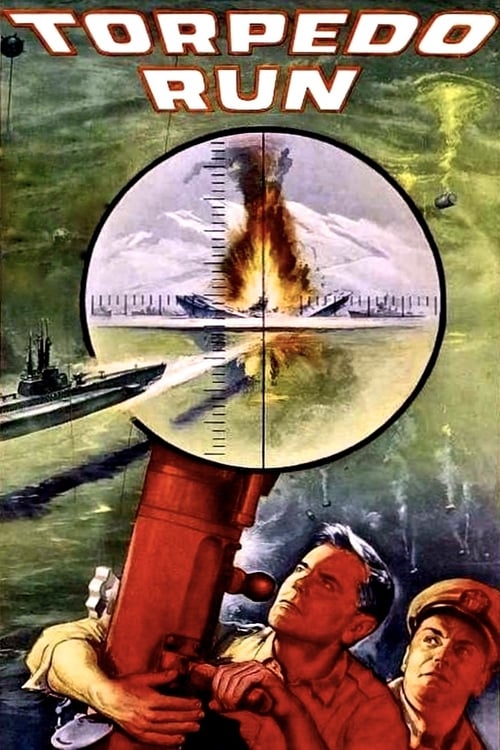
1958
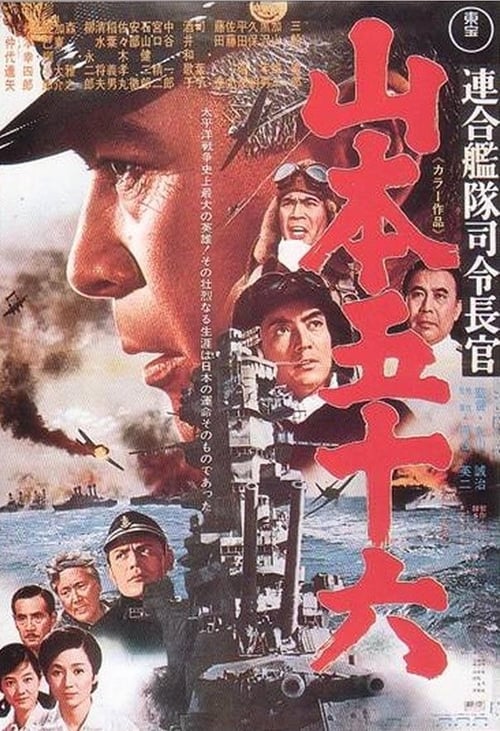
1968
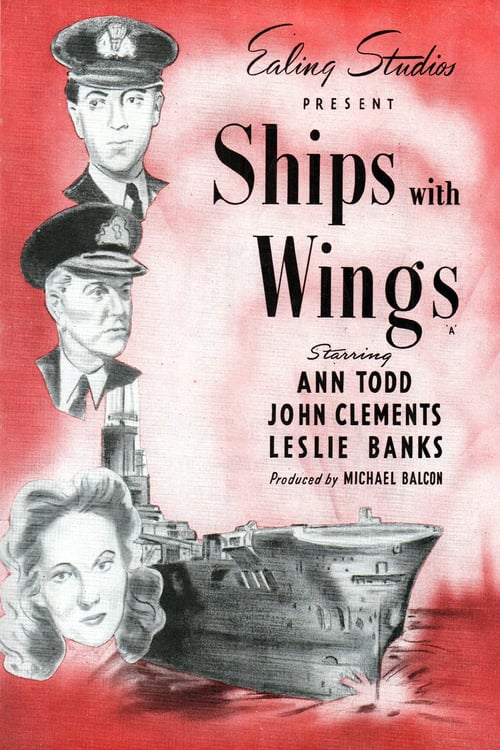
1941
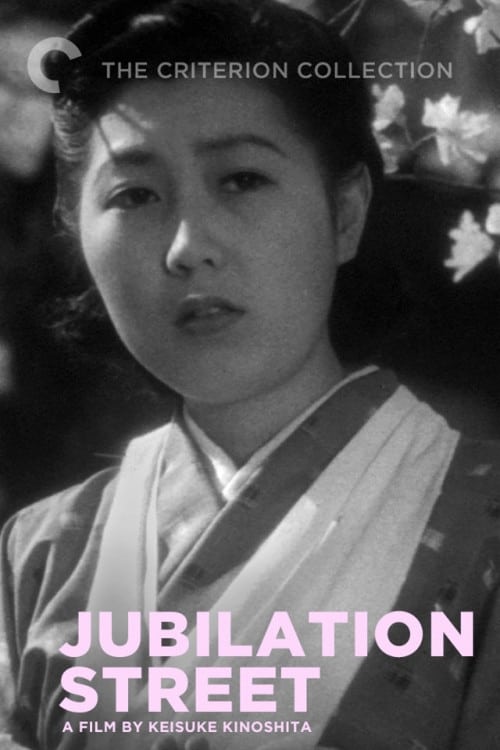
1944
No reviews yet. Be the first to share your thoughts on this movie!
Use the rating form above to leave a star rating and optional review.