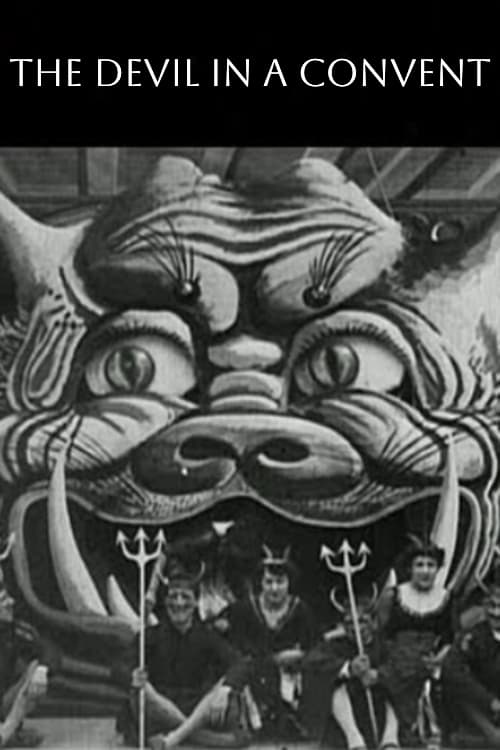
The Devil in a Convent
1899
No user ratings available yet
Representation score: 2.4 out of 10
Representation Score
Minimal
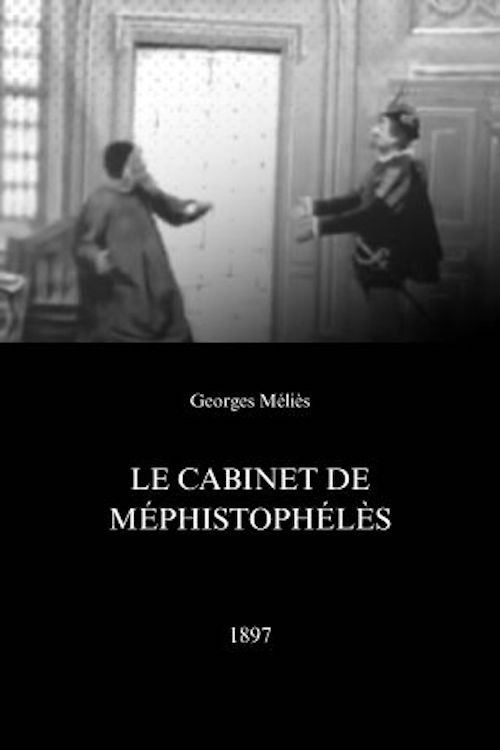
1897
Director
Georges Méliès
Runtime
3 minutes
Average Rating
No ratings yetNew Showbiz Analysis
Georges Méliès' work is a foundational pillar of cinematic surrealism, emphasizing imaginative construction over realism. While the film effectively disrupts the viewer's perception of the natural order through magical illusions, its social impact is limited. Constrained by its era and brevity, the film focuses primarily on the mechanics of trickery. It does not engage with identity-based hierarchies or characters who reflect more than one aspect of diversity. Ultimately, the work's contribution is aesthetic and technical, providing a fantastical escape rather than a diverse social commentary.
Category Breakdown
The film is a brief, silent experimental piece focused on stage magic. It does not include any LGBTQ+ characters or stories about non-cisgender identities.
The story centers around the Devil and two male cavaliers. It follows traditional casting conventions from the time period and does not feature strong female roles or challenge gender hierarchies.
The cast appears uniform, reflecting the European theatrical traditions of the late 19th century. There is no indication of racial diversity or non-white actors used to challenge societal norms.
The film portrays the Devil as a magical performer, moving away from strict religious teachings. However, it does not explicitly address secular or anti-institutional themes.
The film showcases supernatural transformations, such as floating heads and men turning into donkeys. It does not depict human disabilities or neurodivergent conditions.
Present on Screen
Limited or Absent
Official Synopsis
"The picture shows the Devil working at a fire. Two cavaliers appear, and the Devil takes the form of a seer, old, bent and wrinkled. Then he disappears in a cloud of smoke, to reappear shortly as a ghost, whose head comes off and floats around the room. Suddenly the table gets up of itself, and flies up the chimney. All sorts of wonderful things happen. A cannon takes the place occupied by the table, and belches forth flame and smoke. A large cage appears mysteriously in the center of the room, through the bars of which the Devil passes as if it were an open door. By his magic, he makes the cavalier pass through the bars in the same wonderful fashion. Everything is so weird and fantastic, that such a small trifle as a man turning into a donkey excites but passing notice." -Edison catalog
1899
1897
1902

1896
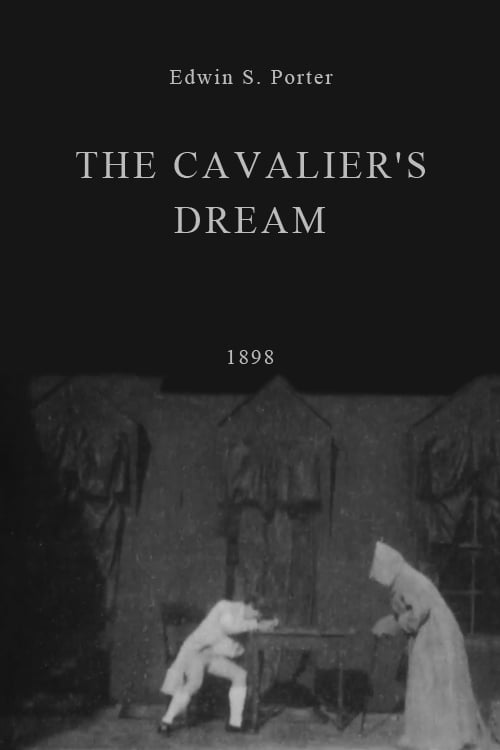
1898
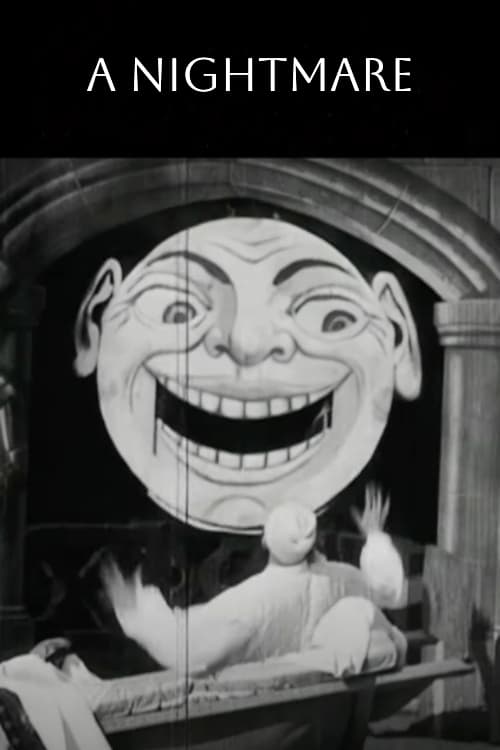
1896
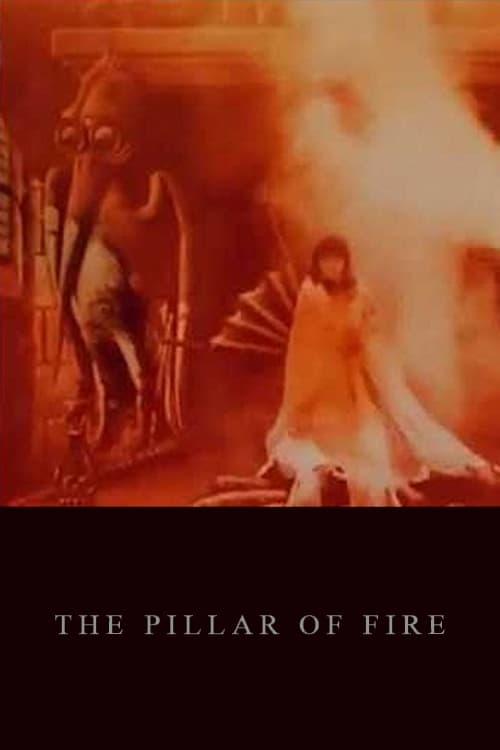
1899
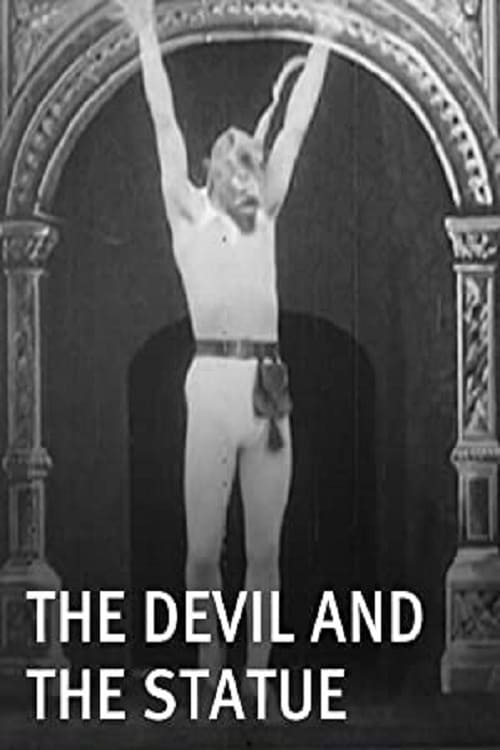
1901
No reviews yet. Be the first to share your thoughts on this movie!
Use the rating form above to leave a star rating and optional review.