Desire
1946
No user ratings available yet
Representation score: 4.4 out of 10
Representation Score
Limited
1955
Director
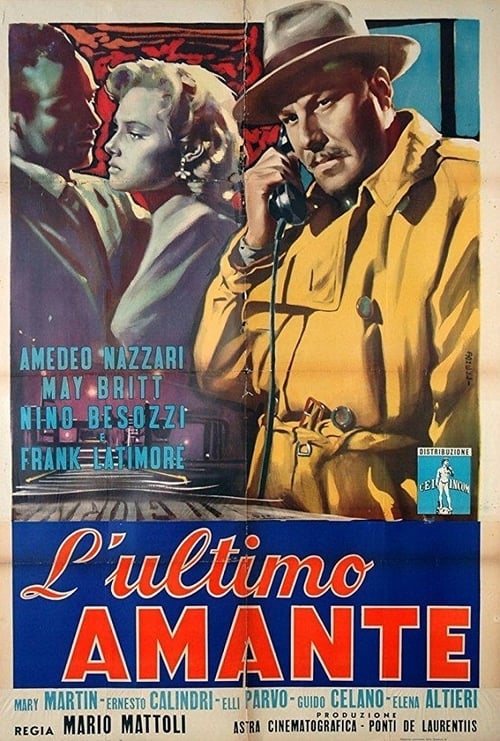
Mario Mattoli
Runtime
93 minutes
Average Rating
No ratings yetNew Showbiz Analysis
L'ultimo amante is a mid-century social drama that emphasizes individual control over institutional morality. While it doesn't have modern markers of diversity, it successfully challenges traditional gender power dynamics through its female lead. The film's strength lies in its refusal to follow typical melodramatic formulas. Instead of a passive character seeking redemption, the protagonist asserts her independence despite her difficult circumstances. However, the film remains a product of its time, characterized by a lack of diverse representation and a homogeneous social perspective. It functions more as a character study of exclusion than a diverse ensemble piece.
Category Breakdown
The film focuses on a traditional romance between a man and a woman. There are no representations of LGBTQ+ identities or narratives that question the assumption that everyone is straight.
Maria challenges the 'damsel in distress' stereotype by rejecting Cesare's attempts to rescue her. This gives her more control over her situation and autonomy, which goes against the usual male savior dynamic.
The film seems to reflect the homogeneous society of 1955 Italy. There is no evidence of diverse casting or non-majority groups in the story.
The story looks at life on the social periphery through the eyes of a prostitute and a reporter. It moves away from idealized morality to explore the complexities of being underrepresented.
The narrative does not show any depictions of physical or neurodivergent disabilities.
Present on Screen
Limited or Absent
Official Synopsis
Maria, a prostitute, meets Cesare in a police station, a drunkard reporter. Cesare falls in love with her and wants to save her from her bleak life but the girl refuses any help.
1946
1961

1954

1957

1986

1964

1985

1980
No reviews yet. Be the first to share your thoughts on this movie!
Use the rating form above to leave a star rating and optional review.