
Jack Hunter and the Quest for Akhenaten's Tomb
2008
No user ratings available yet
Diversity score: 3.2 out of 10
1998
PGDirector
Carl Schenkel
Runtime
83 minutes
Average Rating
No ratings yetSynopsis
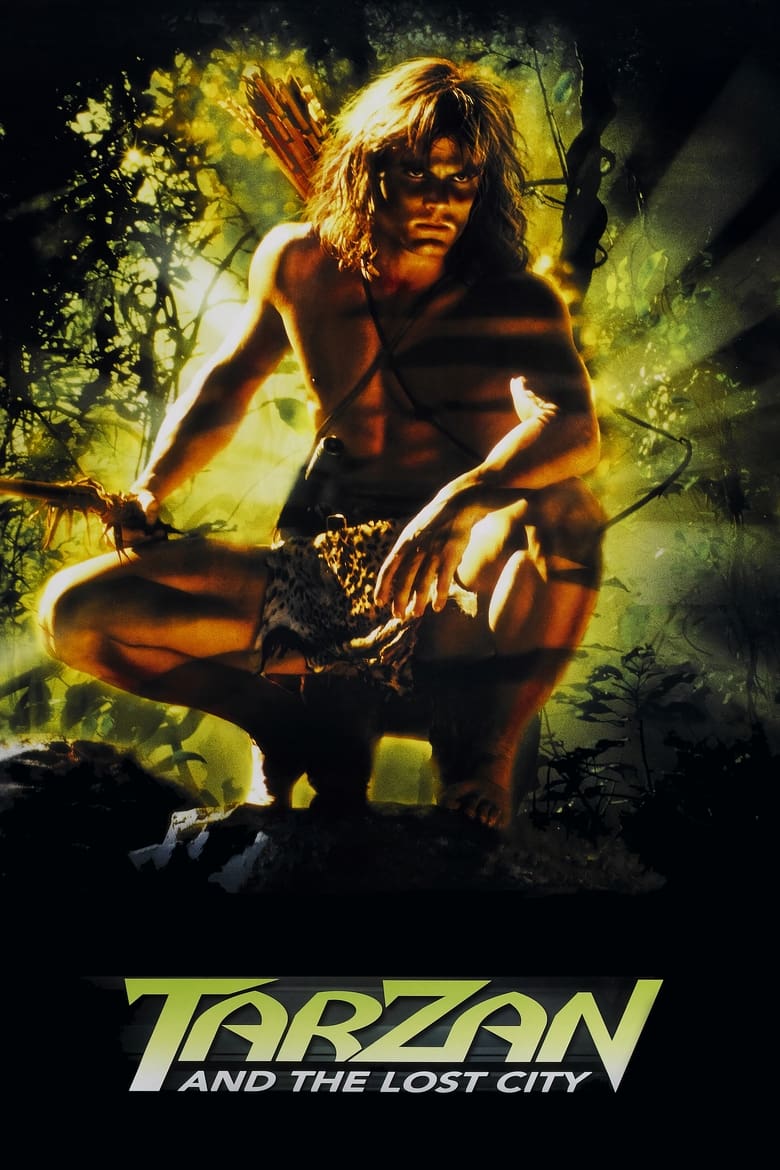
Tarzan returns to his homeland of Africa to save his home from destruction.
Overall Score
Limited
Category Breakdown
LGBTQ+ Representation
The film lacks any discernible LGBTQ+ characters or non-cisnormative identities. The romantic arc focuses entirely on a traditional heteronormative pairing between the leads.
Gender Representation
Jane is positioned as Tarzan's partner, yet the dynamics adhere to standard adventure tropes. The film does not feature women in roles that disrupt the masculine-led adventure structure.
Racial & Ethnic Diversity
The lead cast is predominantly white, reflecting 1990s adventure cinema norms. Indigenous African characters appear as background elements rather than high-agency characters with complex depth.
Religious & Cultural Diversity
The story presents a conflict between civilization and nature but avoids systemic critiques of colonialism. It functions as a standard morality tale rather than a deconstruction of Western hegemony.
Disability Representation
There is no visible or invisible representation of neurodivergence, physical disability, or chronic illness. Characters with disabilities are not featured within the primary cast.
Strengths
Areas for Improvement
AI Analysis
Tarzan and the Lost City operates as a traditionalist adventure narrative that reinforces conventional social hierarchies. It follows the standard hero-versus-greed framework typical of late 1990s cinema, prioritizing genre tropes over progressive storytelling. The film lacks intentionality in disrupting established power dynamics. It relies on established archetypes for its central relationship and character roles, offering little in the way of intersectional depth or social subversion. Ultimately, the production aligns with the cinematic norms of its era, providing a standard experience that avoids engaging with complex cultural or systemic critiques.
2008
1934
1950
2021
1989

1989

2007

1954
1985
1949

1945

2008
No reviews yet. Be the first to share your thoughts on this movie!
Use the rating form above to leave a star rating and optional review.