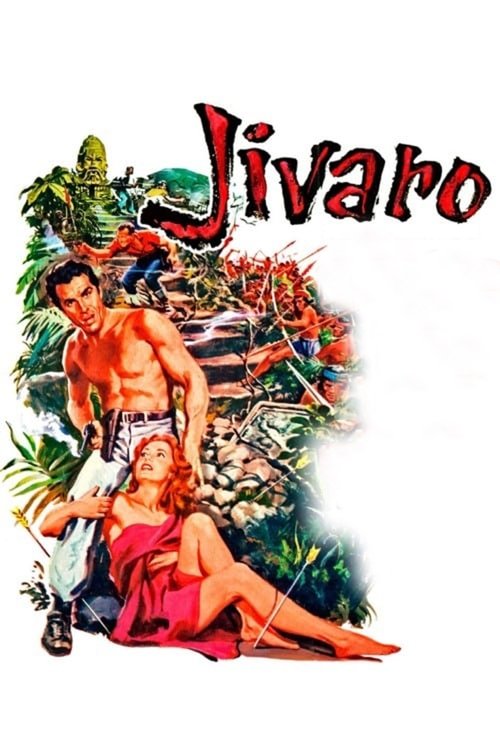
Jivaro
1954
No user ratings available yet
Diversity score: 1.5 out of 10

1942
ApprovedDirector
Cecil B. DeMille
Runtime
119 minutes
Average Rating
No ratings yetSynopsis
The Florida Keys in 1840, where the implacable hurricanes of the Caribbean scream, where the salvagers of Key West, like the intrepid and beautiful Loxi Claiborne and her crew, reap, aboard frail schooners, the harvest of the wild wind, facing the shark teeth of the reefs to rescue the sailors and the cargo from the shipwrecks caused by the scavengers of the sea.
Overall Score
Minimal
Category Breakdown
LGBTQ+ Representation
The film adheres to strict heteronormative structures. There is no evidence of non-cisnormative identities or same-sex intimacy, focusing exclusively on traditional romantic pairings.
Gender Representation
Female characters primarily serve as romantic interests or catalysts for male development. While Loxi Claiborne is intrepid, leadership and decisive action remain centered in male characters.
Racial & Ethnic Diversity
The cast is overwhelmingly homogeneous, reflecting the social constraints of 1942. Characters of color lack meaningful agency and are relegated to peripheral roles within systemic hierarchies.
Religious & Cultural Diversity
The narrative functions as a romantic melodrama that reinforces established social orders. It emphasizes romanticized heroism and the preservation of traditional familial legacies and Western institutions.
Disability Representation
There is no discernible representation of physical or neurodivergent disabilities. Characters are presented as able-bodied archetypes suited for the physical demands of the adventure genre.
Strengths
Areas for Improvement
AI Analysis
Reap the Wild Wind is a quintessential product of its era, prioritizing grand-scale spectacle and moral absolutism. The narrative architecture reinforces traditional Western hierarchies rather than offering subversive or intersectional storytelling. The film focuses on high-stakes melodrama and the preservation of conventional values. It operates within a framework of romanticized heroism that avoids deconstructing traditional family units or social structures. Ultimately, the work functions as a reinforcement of the period's established social norms, lacking the complexity required to challenge the status quo of the 1940s.
1954
1950
1952
1945

1945
1938
1944
No reviews yet. Be the first to share your thoughts on this movie!
Use the rating form above to leave a star rating and optional review.