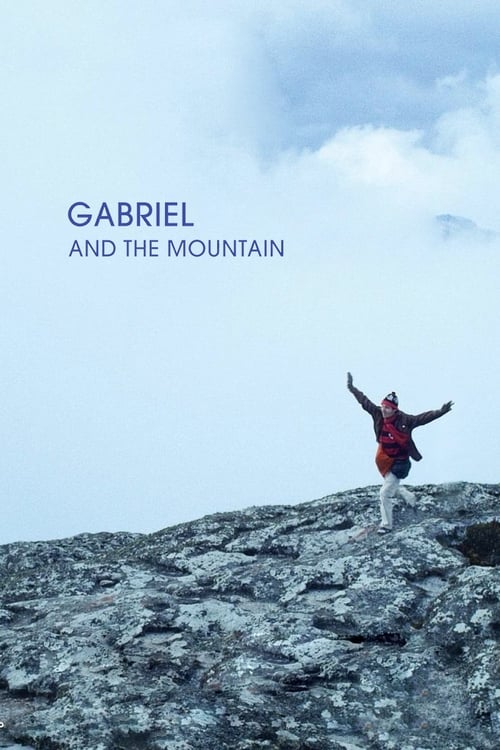
Gabriel and the Mountain
2017
No user ratings available yet
Diversity score: 5.9 out of 10

2004
Director
Teddy Mattera
Runtime
98 minutes
Average Rating
No ratings yetSynopsis
Max Bua leaves his country life behind in hopes of becoming a doctor in Johannesburg, though the big city has different plans for him.
Overall Score
Good
Category Breakdown
LGBTQ+ Representation
The film lacks explicit evidence of LGBTQ+ character arcs or non-heteronormative narratives. The story focuses on socioeconomic and cultural transitions, leaving queer identities unconfirmed.
Gender Representation
Narrative focus centers on Max Bua’s individual journey and aspirations. While female performers are in the cast, the primary conflict revolves around the male protagonist's struggle.
Racial & Ethnic Diversity
The film demonstrates high racial agency by centering a Black protagonist and prominent Black actors. It prioritizes non-Anglo-Saxon perspectives within a post-colonial urban landscape.
Religious & Cultural Diversity
The narrative examines systemic friction and the instability of modern institutions. Critics note a juxtaposition of the profane and the sacred, suggesting a nuanced ethical framework.
Disability Representation
There is no documented evidence regarding the portrayal of physical or neurodivergent disabilities within the film's primary cast or plot.
Strengths
Areas for Improvement
AI Analysis
Max and Mona serves as a significant piece of regional storytelling that prioritizes Black agency. It explores the friction between traditional rural lifestyles and the systemic pressures of modern Johannesburg. The film succeeds in centering a non-Western narrative of aspiration and disruption. By focusing on the migrant experience within South Africa, it provides a meaningful critique of urban socio-economic structures. However, the film lacks depth in other identity-politics frameworks. There is little evidence of LGBTQ+ representation or specific disability portrayals, and the gender focus remains heavily centered on the male protagonist.
2017

2007

2003
2019
2022
2008
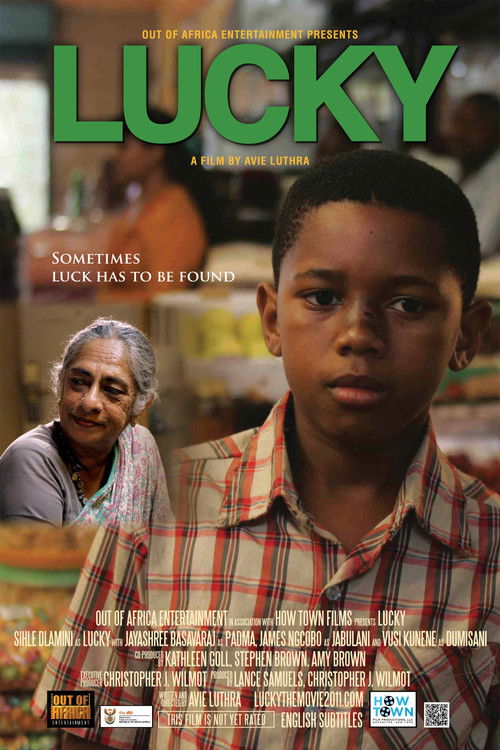
2011
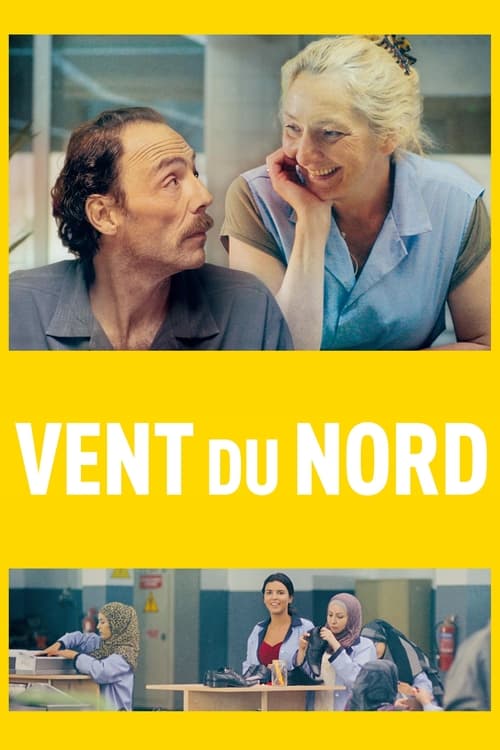
2018
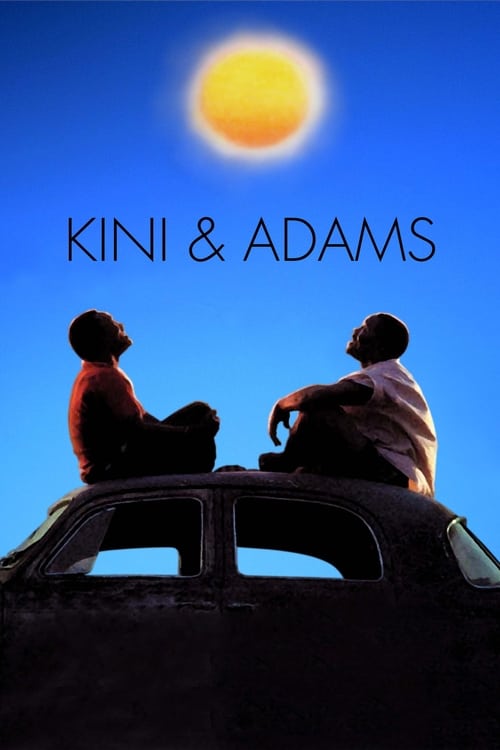
1997
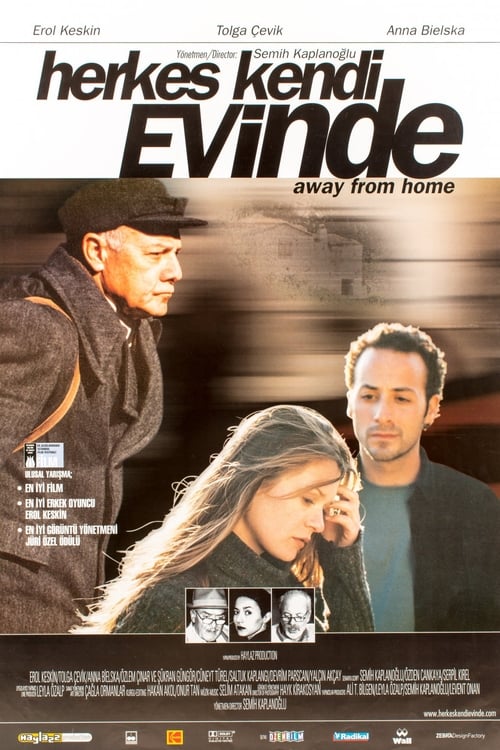
2001

2014
2003
No reviews yet. Be the first to share your thoughts on this movie!
Use the rating form above to leave a star rating and optional review.