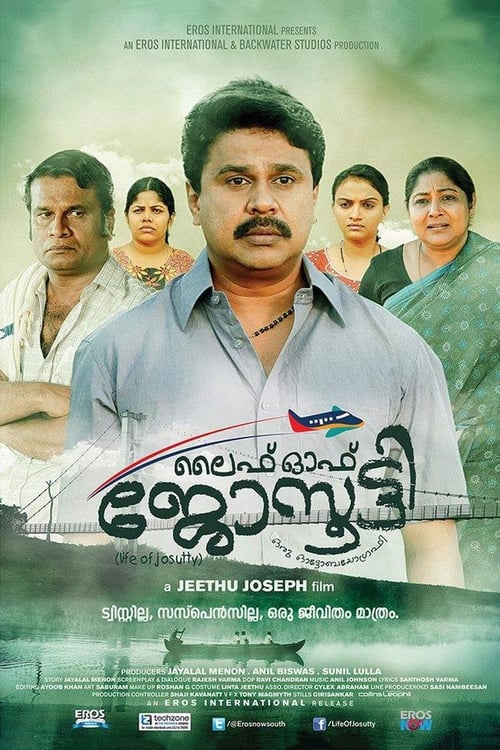
Life of Josutty
2015
No user ratings available yet
Representation score: 2.0 out of 10

Representation Score
Fair
2014
Not RatedDirector
Sange Dorjee Thongdok
Runtime
103 minutes
Average Rating
No ratings yetNew Showbiz Analysis
Crossing Bridges presents a localized view of the migrant experience, emphasizing the contrast between urban and rural life. It successfully shifts the focus of cinema from major cities to the remote regions of Arunachal Pradesh. However, the narrative heavily centers on a single male protagonist. This focus limits the exploration of diverse gender dynamics and LGBTQ+ identities within the story. Overall, the film serves as a study of regional displacement. It expands the cinematic landscape by highlighting the experiences of underrepresented areas.
Category Breakdown
The film doesn't include any obvious LGBTQ+ storylines or specific romantic subplots. It doesn't feature any characters with defined LGBTQ+ identities or arcs.
The story focuses on a single male protagonist dealing with employment issues. There isn't much information about female characters or the exploration of gender roles in the workplace.
By setting the story in Arunachal Pradesh, the film highlights the lives of indigenous peoples. It shifts the focus away from urban areas to a less represented rural community.
The film looks at the conflict between modern urban life and traditional rural culture. It shows how economic pressures affect a traditional community through Tashi's journey.
There is no indication that physical disabilities or neurodivergence play a role in the main characters' stories or the overall plot.
Present on Screen
Limited or Absent
Official Synopsis
After losing his job in Mumbai, Tashi is compelled to return to his village in the remote interiors of Arunachal Pradesh. Waiting for news of any new job in the city, he struggles to get accustomed to life in his native place.
2015
2014

2021
1997

2016

2019
2014
2016
No reviews yet. Be the first to share your thoughts on this movie!
Use the rating form above to leave a star rating and optional review.