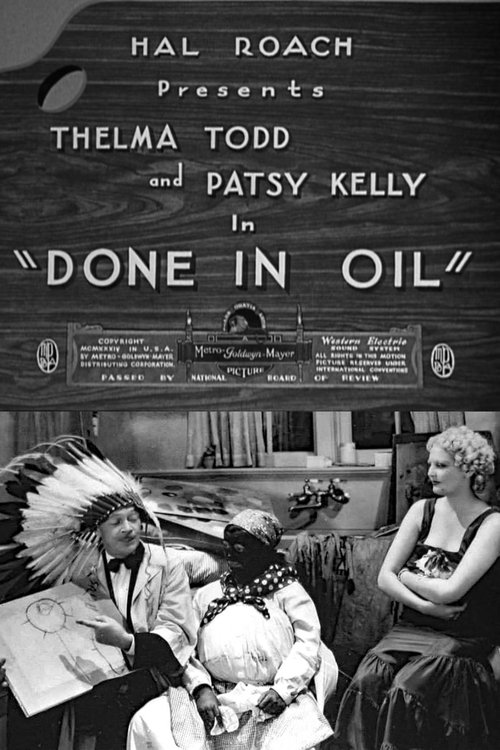
Done in Oil
1934
No user ratings available yet
Representation score: 1.0 out of 10
Representation Score
Minimal
1933
NRDirector
Walter Lang
Runtime
68 minutes
Average Rating
No ratings yetNew Showbiz Analysis
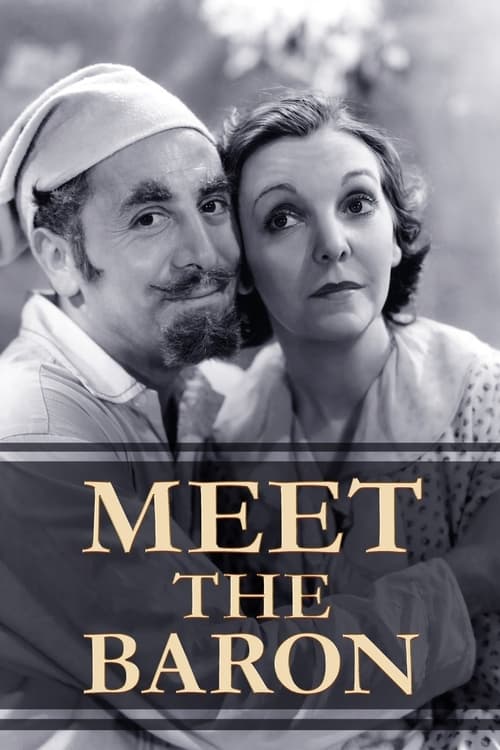
Meet the Baron is a classic example of 1930s studio comedy, emphasizing escapism and traditional social hierarchies. The film relies on conventional narrative structures that uphold the status quo of its time without challenging it. The film lacks complexity in its portrayal of diverse identities, focusing instead on a homogeneous, Anglo-centric storyline. While the female-centric setting offers a unique backdrop, the plot is driven by a male character, reinforcing traditional gender power dynamics. Overall, Meet the Baron serves as a historical reflection of a period when mainstream cinema rarely included diverse representations, preferring a homogeneous narrative.
Category Breakdown
The film does not depict any non-straight relationships or same-sex intimacy. It follows the typical romantic comedy format of the early 1930s.
Set in a girls' school, the environment is female-centric, but the story is driven by a male charlatan. The male character's actions primarily propel the plot forward.
The cast is predominantly white, reflecting the casting practices of early Hollywood. There is no indication of diverse racial or ethnic representation.
The film uses the charlatan cliché for comedic effect rather than social commentary. It serves as escapist entertainment without addressing traditional institutions critically.
There are no characters with physical or neurodivergent disabilities playing key roles in the plot.
Present on Screen
Limited or Absent
Official Synopsis
A charlatan posing as Baron Munchhausen is invited to be guest speaker at a girls' school.
1934
1926
1937
1933
1937
1936
1936
1930
No reviews yet. Be the first to share your thoughts on this movie!
Use the rating form above to leave a star rating and optional review.