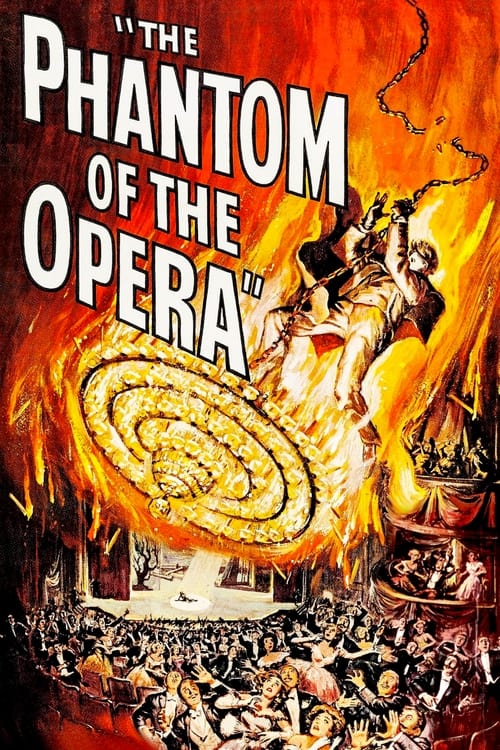
The Phantom of the Opera
1962
No user ratings available yet
Representation score: 1.8 out of 10
Representation Score
Minimal
1929
Director
Rupert Julian
Runtime
94 minutes
Average Rating
No ratings yetNew Showbiz Analysis
The Phantom of the Opera (1929) is a quintessential product of its era, prioritizing Gothic melodrama over social diversity. The narrative relies heavily on established archetypes, particularly regarding gender and physical appearance. While the film offers some psychological complexity through its antagonist, it remains tethered to the restrictive social hierarchies of the late 1920s. It lacks representation of multiple aspects of identity and class.
Category Breakdown
The film follows a strictly heterosexual romantic triangle. There is no depiction of non-binary or LGBTQ+ identities or same-sex intimacy.
Gender roles are highly traditional, with the female lead serving as a passive object of male obsession. Masculinity is limited to predatory or protective archetypes.
The cast is a homogeneous European group reflecting 1929 cinematic standards. There is no diverse ethnic representation within the primary narrative.
The story emphasizes class distinctions between elite patrons and subterranean outcasts. It utilizes Gothic melodrama rather than critiquing Western institutions.
The Phantom's disfigurement drives the 'beauty vs. monstrosity' cliché. While he possesses psychological depth, his disability is used to signal villainy.
Present on Screen
Limited or Absent
Official Synopsis
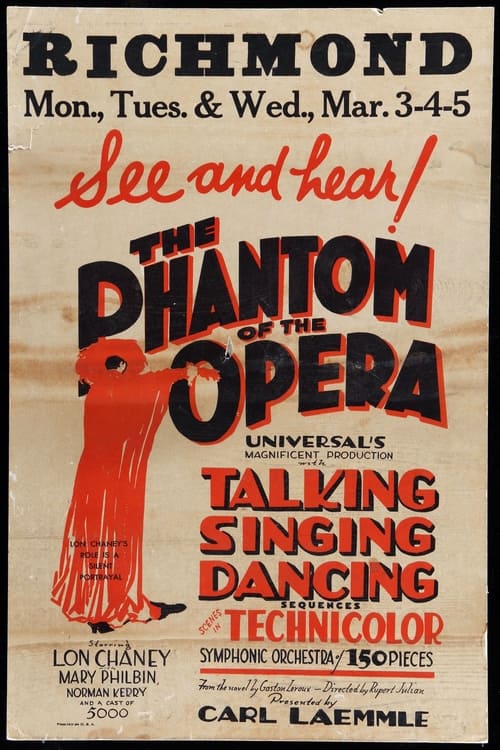
Reissued version of 'The Phantom of the Opera' with a synchronized score, sound effects, new dialogue sequences, and footage reshot by directors Ernst Laemmle and Frank McCormick.
1962
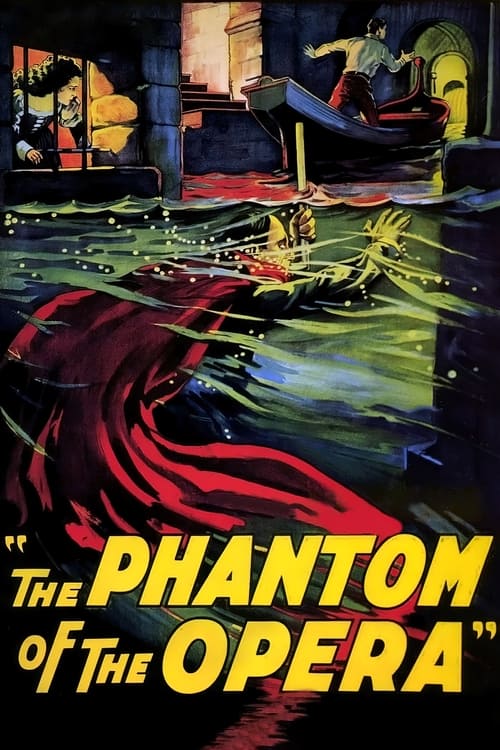
1925
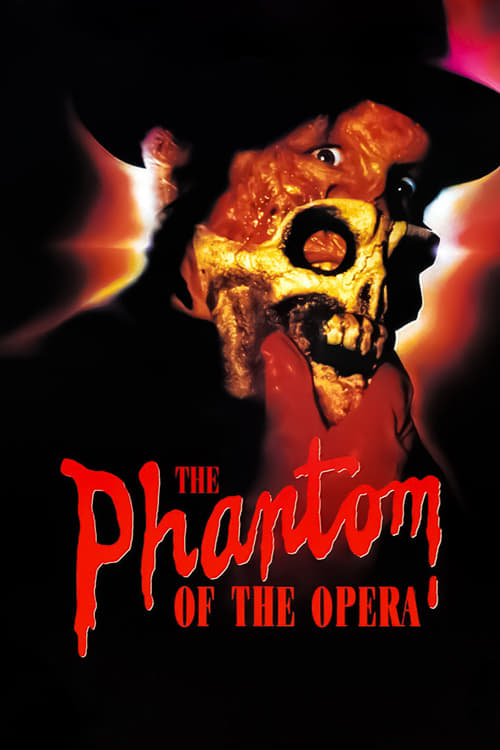
1989
1928
1998

1924
1942
1935
No reviews yet. Be the first to share your thoughts on this movie!
Use the rating form above to leave a star rating and optional review.