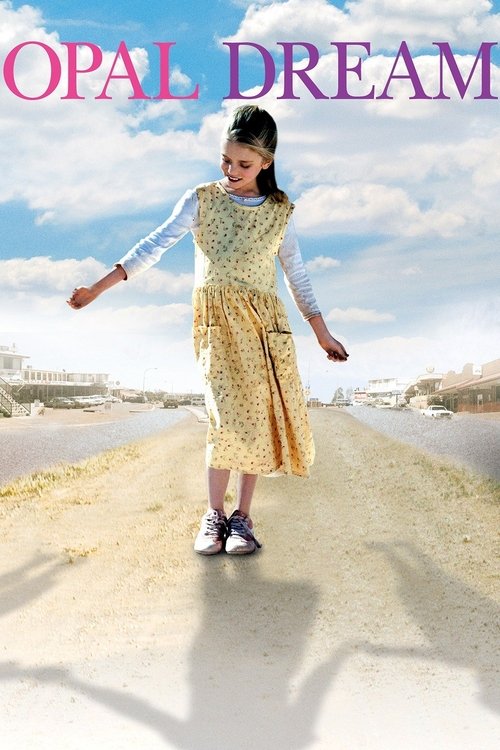
Opal Dream
2006
No user ratings available yet
Diversity score: 3.1 out of 10

1983
PGDirector
Carl Schultz
Runtime
110 minutes
Average Rating
No ratings yetSynopsis
Abandoned by his father after his mother dies, young PS lives in suburban Sydney with his aunt Lila and her husband George. While they lead a modest existence, PS is happy with them. However, his contentment is derailed when Lila's wealthy sister, Vanessa, returns from England and takes an interest in PS.
Overall Score
Limited
Category Breakdown
LGBTQ+ Representation
The film lacks LGBTQ+ characters or non-heteronormative identities. Interpersonal dynamics remain centered on traditional kinship structures without subverting heteronormative social standards.
Gender Representation
Female characters like Lila and Vanessa exert significant influence over the protagonist. However, they operate within established domestic frameworks and traditional gender hierarchies.
Racial & Ethnic Diversity
The cast is predominantly homogeneous, reflecting the demographic realities of its suburban Australian setting. The narrative does not utilize diverse ethnic ensembles to challenge the status quo.
Religious & Cultural Diversity
The story focuses on individual psychological experiences rather than deconstructing cultural or religious institutions. It explores class disruption without a systemic critique of Western institutions.
Disability Representation
There is no prominent depiction of visible or invisible disabilities. Sensory perception serves as a narrative tool for childhood isolation rather than a representation of neurodivergence.
Strengths
Areas for Improvement
AI Analysis
This period drama prioritizes psychological realism and domestic tension over intersectional representation. The narrative architecture focuses on the sensory experience of a child navigating shifting familial dynamics and class tensions within a specific historical framework. The film adheres closely to the social and demographic norms of its setting. It lacks the intentional disruption of traditional hierarchies or the inclusion of marginalized identities found in more progressive cinema. Ultimately, the production functions as a study of domestic instability and socioeconomic status rather than a vehicle for social commentary or diverse representation.
2006
1993

1998

1967
1973

1990

1953
1957
1970
1983

1988
1982
No reviews yet. Be the first to share your thoughts on this movie!
Use the rating form above to leave a star rating and optional review.