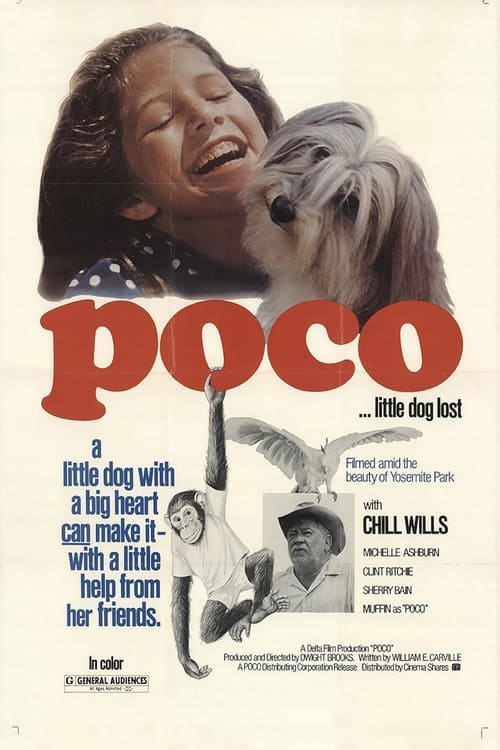
Poco… Little Dog Lost
1977
No user ratings available yet
Representation score: 1.1 out of 10

Representation Score
Minimal
1953
Not RatedDirector
Ray Ashley, Ruth Orkin, Morris Engel
Runtime
80 minutes
Average Rating
No ratings yetNew Showbiz Analysis
Little Fugitive is a landmark of cinematic realism that prioritizes a singular, subjective experience of urban childhood. While stylistically innovative, its narrative focus remains confined to a very specific, homogeneous demographic. The film functions as a localized character study rather than a multi-layered exploration of identity. It captures the tension between a child's autonomy and family constraints without addressing broader social hierarchies. Ultimately, the work excels in its technical contributions to independent filmmaking but lacks representation of underrepresented identities or diverse social perspectives.
Category Breakdown
The film operates within a strictly straight-centered framework. There is no depiction of queer subtext or non-cisgender identities.
The narrative centers on male-driven action and a child's struggle against authority. The mother's role is defined by traditional maternal oversight and domestic stability.
The cast is predominantly white and homogeneous, reflecting its 1953 Brooklyn setting. Characters of color lack significant narrative ability to act.
The film offers a realistic view of working-class urban life through secular, psychological realism. It does not actively critique Western institutions like the family.
There are no visible or invisible disabilities portrayed. The story focuses on a neurotypical experience of childhood anxiety.
Present on Screen
Limited or Absent
Official Synopsis
After a prank makes Joey Norton believe he killed his older brother, he runs away from home and spends the day at Coney Island while his brother tries to find him before their mother gets home.
1977

1987

1982

1970

1975
2004
1955

1980
No reviews yet. Be the first to share your thoughts on this movie!
Use the rating form above to leave a star rating and optional review.