
Wild Horse Rodeo
1937
No user ratings available yet
Representation score: 1.3 out of 10
Representation Score
Minimal
1949
NRDirector
George Sherman
Runtime
82 minutes
Average Rating
No ratings yetNew Showbiz Analysis
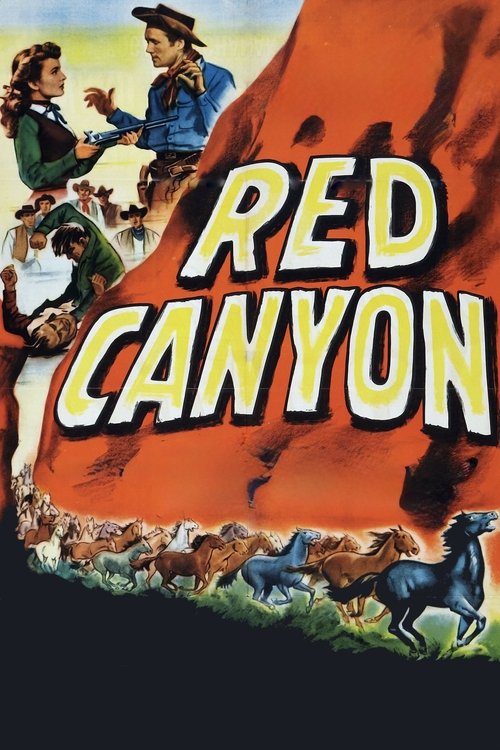
Red Canyon is a classic mid-century Western that closely follows the genre's established masculine themes. The film reinforces traditional social hierarchies and frontier morality rather than challenging them. The narrative momentum is driven by male-centric conflicts and physical action. The film presents a singular view of justice and community through a settler-colonial lens. Ultimately, the film serves as a historical representation of its time, emphasizing traditional gender roles and conventional racial stereotypes common to 1940s cinema.
Category Breakdown
The film does not depict any non-straight or non-cisgender identities. It focuses solely on traditional romantic relationships.
The story mainly revolves around the male protagonist, who drives the plot forward. Female characters are confined to supporting roles within domestic or romantic contexts.
The main cast consists of white settlers and a protagonist. Native American characters are underdeveloped and serve as obstacles to the expansionist narrative.
The film upholds traditional Western values and frontier laws. It supports the legitimacy of the settler-colonial framework without questioning it.
There are no visible or hidden disabilities portrayed in the film. Characters are defined by their physical abilities and resilience.
Present on Screen
Limited or Absent
Official Synopsis
A horse breeder's daughter falls for a cowboy out to capture the stallion she aims to ride.
1937
1939
1954
1957
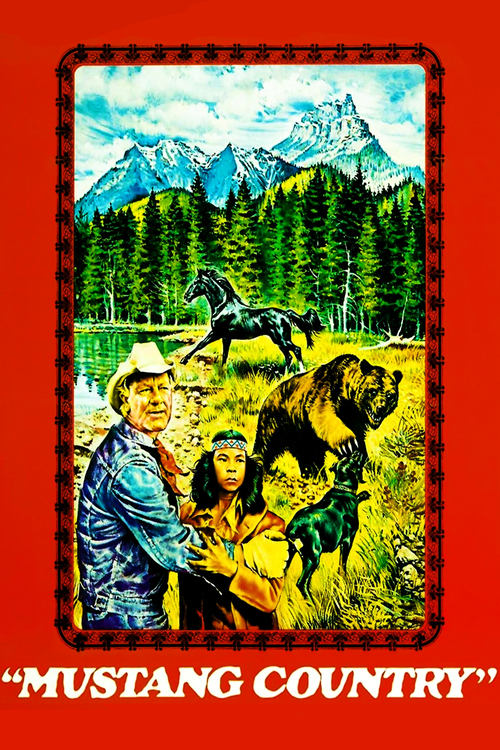
1976
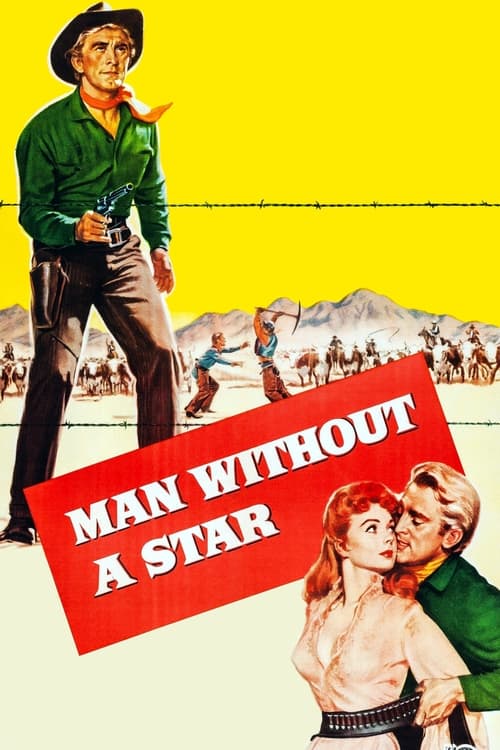
1955
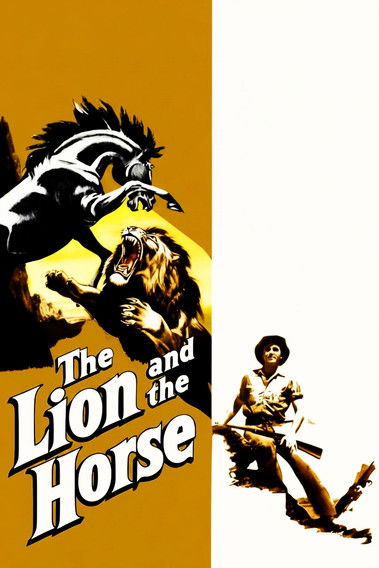
1952
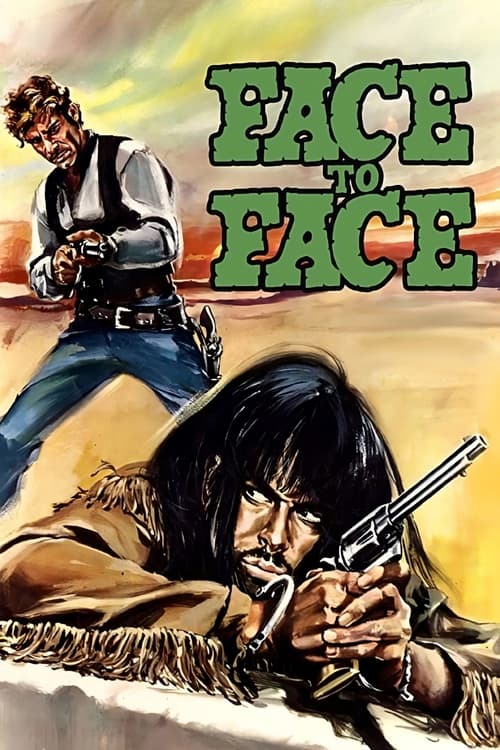
1967
No reviews yet. Be the first to share your thoughts on this movie!
Use the rating form above to leave a star rating and optional review.