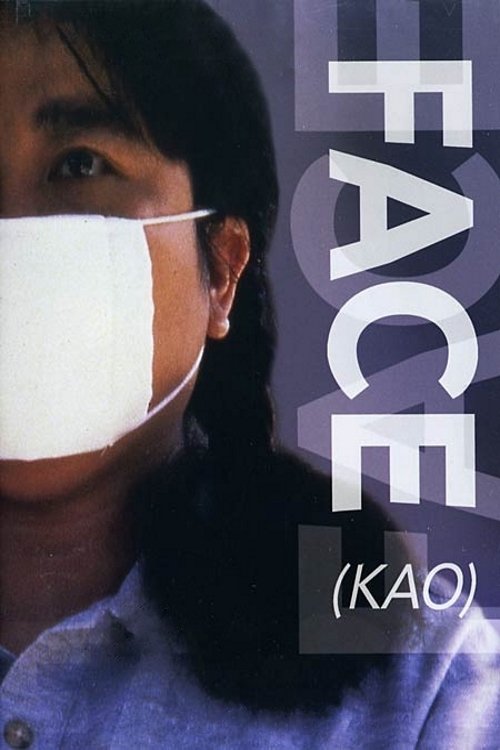
Face
2000
No user ratings available yet
Representation score: 4.0 out of 10

Representation Score
Limited
1999
Director
Masahiro Kobayashi
Runtime
74 minutes
Average Rating
No ratings yetNew Showbiz Analysis
The film is a character-driven drama that heavily relies on traditional masculine archetypes. It focuses on the interpersonal loyalty between a retiring Yakuza member and a police officer, prioritizing these social hierarchies over diverse identity exploration. While the film offers a nuanced look at male emotional bonds, it lacks intentional subversion of gender roles. The female presence is primarily functional, serving as a motivator for the male protagonists' journeys. Ultimately, the production remains culturally homogeneous, reflecting specific Japanese social structures without expanding into multicultural or multi-layered territory.
Category Breakdown
The film delves into the deep platonic bond and shared grief between two men. However, it does not explicitly show same-sex romantic relationships or non-binary gender identities.
The story centers around a male-dominated perspective within Yakuza and police hierarchies. The central female figure serves more as a catalyst for the men's actions rather than an active agent.
As a Japanese production, the film showcases a culturally homogeneous cast. It accurately represents Japanese social structures without incorporating multicultural casting.
Themes revolve around personal loyalty and the repercussions of a criminal lifestyle. The narrative critiques social order through the lens of honor without addressing broader institutional issues.
There is no indication of characters with visible or invisible disabilities within the narrative.
Present on Screen
Limited or Absent
Official Synopsis
Two best friends—Tatsuo, a retiring Yakuza member, and Kiyoshi, a cop—travel to the funeral of a woman they both loved.
2000

2000

2019

1990

1999

2018

1998

1997
No reviews yet. Be the first to share your thoughts on this movie!
Use the rating form above to leave a star rating and optional review.