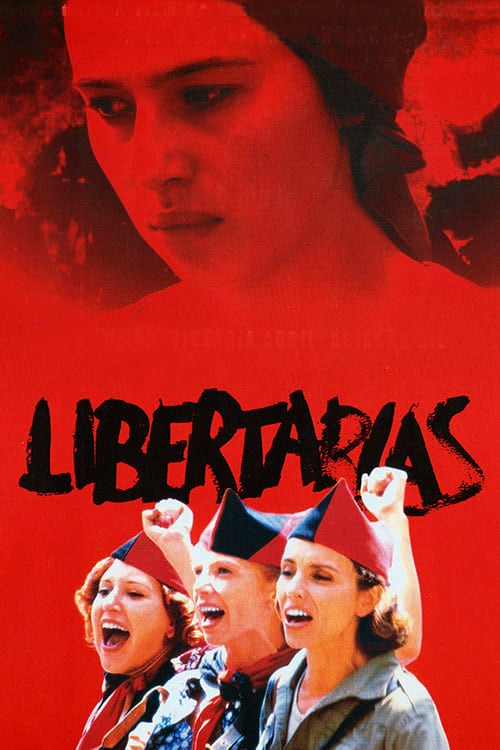
Freedomfighters
1996
No user ratings available yet
Diversity score: 7.1 out of 10
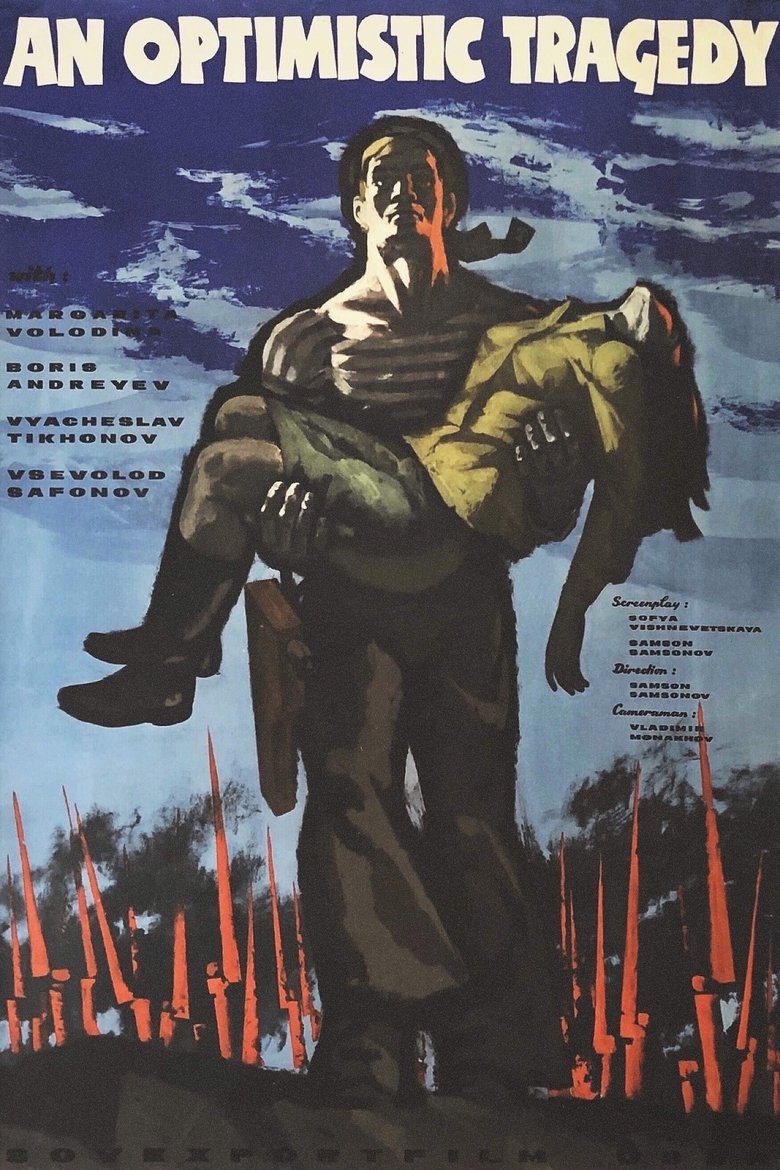
1963
Director
Samson Samsonov
Runtime
120 minutes
Average Rating
No ratings yetSynopsis
1918 year. A woman commissar has been appointed from the Central Committee of the Bolshevik Party to the Russian warship Gromoboi, which is ruled by anarchist sailors. The leader of the ship is the anarchist Vozhak. The Commissioner was instructed to reorganize the naval detachment into the First Sailor Regiment. She faces a difficult task: to win the authority of the sailors and eradicate anarchy. Of the remaining officers on the ship — lieutenant Bering, who served in the tsarist fleet on the battleship "Emperor Paul I". He must become the commander and, together with the sent commissar, lead the regiment to the front in the Black Sea region.
Overall Score
Fair
Category Breakdown
LGBTQ+ Representation
The film lacks explicit evidence of LGBTQ+ characters or non-heteronormative identities. The narrative focuses strictly on the sociopolitical tension between Bolshevik authority and anarchist autonomy.
Gender Representation
A female commissar occupies a position of supreme political authority, disrupting traditional hierarchies. She serves as the primary agent of systemic change within a male-dominated military environment.
Racial & Ethnic Diversity
The story centers on class and ideological distinctions rather than racial diversity. The cast likely reflects the homogeneous ethnic composition of the era's naval forces.
Religious & Cultural Diversity
The narrative is explicitly anti-monarchical and anti-capitalist. It prioritizes collective revolutionary goals over individualist or religious morality to frame a new social order.
Disability Representation
There is no documented evidence regarding the portrayal of physical or neurodivergent disabilities in this work.
Strengths
Areas for Improvement
AI Analysis
An Optimistic Tragedy functions primarily as a study of systemic restructuring and ideological transition. It subverts traditional institutional hierarchies by replacing Tsarist class structures and decentralized anarchy with a centralized, collective revolutionary model. The film's strength lies in its subversion of gender norms, placing a woman in a position of command. However, it lacks modern intersectional markers, focusing instead on class struggle as the primary driver of identity and power dynamics. While the film offers a strong critique of monarchical and individualist institutions, it remains limited by the homogeneous ethnic and social landscape of the historical period it depicts.
1996
1935
1979
1942
1974

1955
1959
1947
2012
1987
1949
No reviews yet. Be the first to share your thoughts on this movie!
Use the rating form above to leave a star rating and optional review.