Nobody's Business
1996
No user ratings available yet
Representation score: 5.7 out of 10
Representation Score
Good
1990
Not RatedDirector
Su Friedrich
Runtime
48 minutes
Average Rating
No ratings yetNew Showbiz Analysis
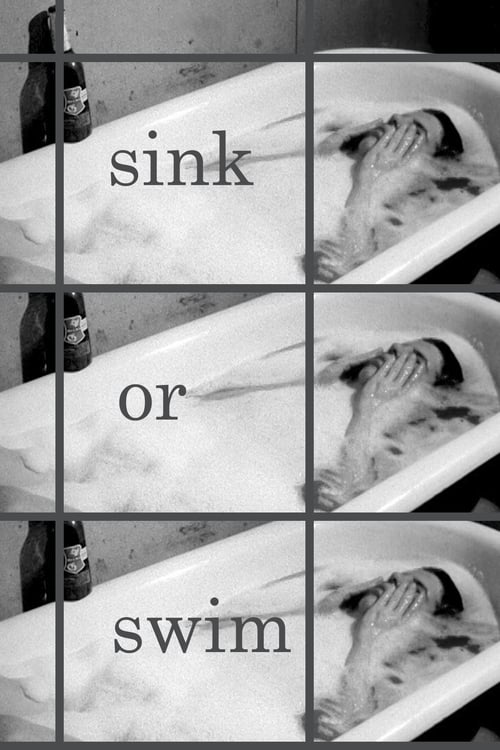
Su Friedrich’s documentary stands out as a pioneering feminist experimental film. It succeeds by breaking down traditional male-dominated story structures, replacing them with a vivid, personal exploration of the female body and memory. While the film excels in representing women, it falls short in other areas. The focus remains on a personal psychological landscape, which limits its racial and ethnic diversity. The film challenges standard cinematic norms but does not engage deeply with LGBTQ+ or disability issues.
Category Breakdown
The film focuses on internal thoughts and sensory experiences rather than romantic stories. Though it doesn't explicitly mention LGBTQ+ identities, it challenges traditional storytelling methods, offering a subtle disruption of conventional narratives.
The film centers on the female experience and bodily autonomy. By emphasizing the female perspective and sensory connections, it places women in a powerful role within the story.
This film is a personal exploration of memory and sensation. Its visual focus is on a single individual, lacking significant racial or ethnic diversity.
The film criticizes traditional Western institutions such as the nuclear family and capitalist career paths. It shows how these structures can be alienating or harmful to emotional well-being.
The film does not show explicit depictions of disabilities. However, its intense focus on the body’s sensations provides a space to discuss physical vulnerabilities.
Present on Screen
Limited or Absent
Official Synopsis
Through a series of twenty six short stories, a girl describes the childhood events that shaped her ideas about fatherhood, family relations, work and play. As the stories unfold, a dual portrait emerges: that of a father who cared more for his career than for his family, and of a daughter who was deeply affected by his behavior. Working in counterpoint to the forceful text are sensual black and white images that depict both the extraordinary and ordinary events of daily life. Together, they create a formally complex and emotionally intense film.
1996
1978

1994

2008

1981

2023

1988

2004
No reviews yet. Be the first to share your thoughts on this movie!
Use the rating form above to leave a star rating and optional review.