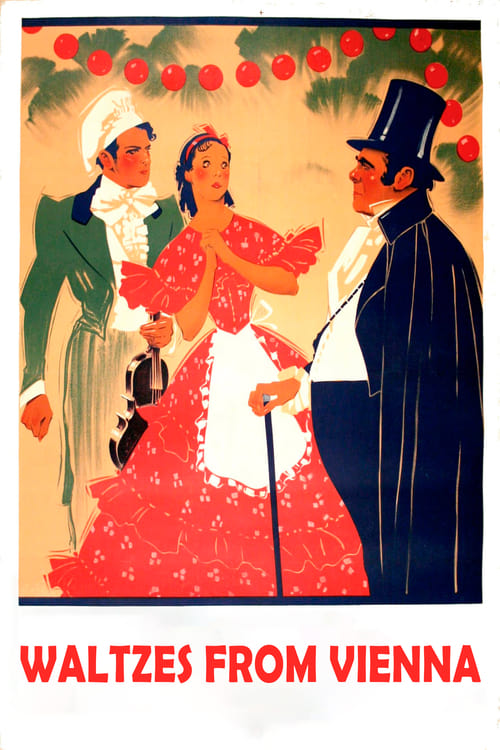
Waltzes from Vienna
1934
No user ratings available yet
Representation score: 1.8 out of 10

Representation Score
Minimal
1938
ApprovedDirector
Ludwig Berger
Runtime
90 minutes
Average Rating
No ratings yetNew Showbiz Analysis
Three Waltzes is a romantic anthology set in the early 20th century, emphasizing aesthetic beauty and the continuity of family traditions. The narrative depends on traditional storylines such as the pursuit of fame and social class barriers. While female characters achieve significant professional success and social mobility, the film lacks complexity in representing diverse identities. It adheres closely to the social and demographic norms of its time. Overall, the film serves as a classic example of European romantic cinema, prioritizing romantic connections over challenging traditional norms.
Category Breakdown
The film focuses on heterosexual relationships and does not include any non-cisgender gender identities or stories that challenge the idea that everyone is straight.
Female characters gain professional independence and social status through their careers. However, their storylines still revolve around romantic relationships with men.
The cast is predominantly white and European, with no non-white actors or casting that deviates from typical expectations.
The film explores themes of class and stardom using conventional melodrama, focusing on social hierarchies rather than critiquing systemic issues.
There are no characters with visible or invisible disabilities, nor are there any storylines centered around physical or neurodivergent conditions.
Present on Screen
Limited or Absent
Official Synopsis
"Les Trois Valses" traces the love story of two people over three eras. In the first waltz (music based on Johann Strauss I), Yvonne is a sensitive Parisian ballet dancer, whose romance with a dashing officer is brought to an abrupt end by his family. She goes off to Vienna to become a big star. In the second waltz, her daughter, an even bigger star, but now of Paris music halls, has a brief flirtation with the rakish man-about-town who is the son of suitor number one. She throws him over pretty quickly for a chance to shine at a Gala performance. Finally, in the third waltz, the two get together, when she is a movie star, and he is posing as an insurance salesman.
1934
1955
1929
1937
1934

1950
1931
1934
No reviews yet. Be the first to share your thoughts on this movie!
Use the rating form above to leave a star rating and optional review.