Little Women
2019
No user ratings available yet
Representation score: 7.4 out of 10
Representation Score
Limited
1994
PGDirector
Gillian Armstrong
Runtime
115 minutes
Average Rating
No ratings yetNew Showbiz Analysis
Gillian Armstrong's adaptation is a sophisticated exploration of women's ability to drive the story. It elevates women's intellectual ambitions above the domestic expectations of the post-Civil War era, making sisterhood and autonomy central themes. However, the film is limited by its historical context. The absence of racial diversity and explicit LGBTQ+ representation confines the story to a narrow demographic lens. Ultimately, the film is a powerful examination of gendered identity within the constraints of its period.
Category Breakdown
The film adheres to a traditional framework that assumes everyone is straight or cisgender, which was common during its time period. Although Jo March's resistance to gendered social roles can be read as having queer undertones, there are no explicit depictions of diverse gender identities.
This adaptation stands out by emphasizing the intellectual and creative autonomy of women. It challenges the 19th-century hierarchy by focusing on the struggle for independence, moving beyond the submissive femininity clichés of the time.
The cast primarily consists of actors representing the specific New England socioeconomic class of the era. The narrative does not include significant racial diversity among the main characters.
The story unfolds within a traditional Western framework centered around family duty and moral growth. Religious and parental authority are portrayed as stabilizing forces rather than oppressive ones.
There are no prominent depictions of visible or invisible disabilities that play a central role in the plot or character development.
Present on Screen
Limited or Absent
Official Synopsis
Four sisters come of age in America in the aftermath of the Civil War.
2019
1949
1933
1937
1992
1939
1981
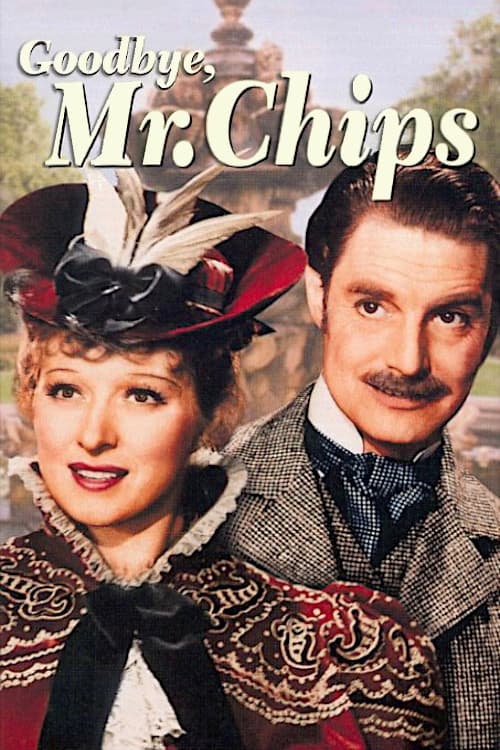
1939
No reviews yet. Be the first to share your thoughts on this movie!
Use the rating form above to leave a star rating and optional review.