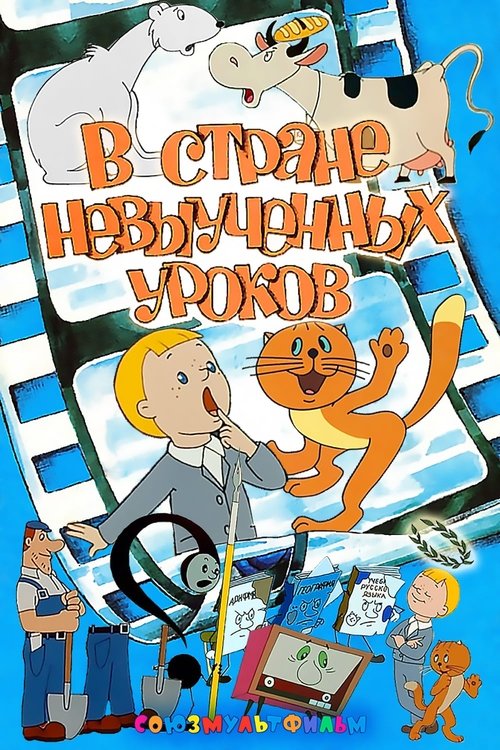
In a Country of Undone Homework
1969
No user ratings available yet
Representation score: 3.0 out of 10
Representation Score
Limited
2002
Director
Vlasta Pospíšilová, Aurel Klimt
Runtime
100 minutes
Average Rating
No ratings yetNew Showbiz Analysis
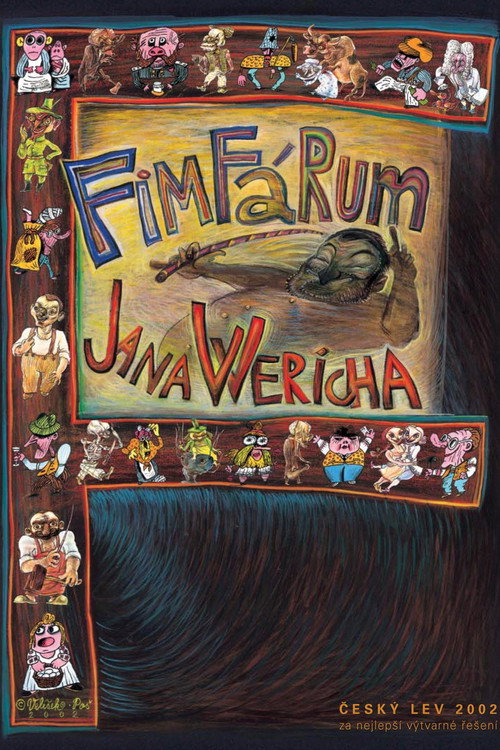
Jan Werich's Fimfárum is a masterful adaptation of Czech literary legacy that prioritizes historical atmosphere and whimsical storytelling. It serves as a work of cultural preservation, aiming to evoke nostalgia for a specific era of folklore. However, this dedication to historical authenticity limits the film's engagement with modern social frameworks. The narrative stays within a traditional paradigm, focusing on preserving historical norms rather than addressing contemporary social hierarchies. Ultimately, the film is a stylistic homage to Jan Werich's work, emphasizing cultural continuity over disrupting systemic social structures.
Category Breakdown
The film focuses on early 20th-century Central European folklore and doesn't include narratives about non-traditional gender identities or direct criticisms of the assumption that everyone is straight.
The story follows a young boy in a historical setting, reflecting the gender roles and structures of the pre-WWI era, which are centered around male dominance.
The characters represent a homogeneous demographic typical of the specific Central European location and time period. The film emphasizes cultural authenticity over modern, diverse casting practices.
The narrative highlights traditional storytelling, childhood wonder, and local folklore. It focuses on nostalgic depictions of small-town life and cultural continuity.
There is no significant depiction of physical or neurodivergent disabilities. Characters deal with magical and everyday folklore issues.
Present on Screen
Limited or Absent
Official Synopsis
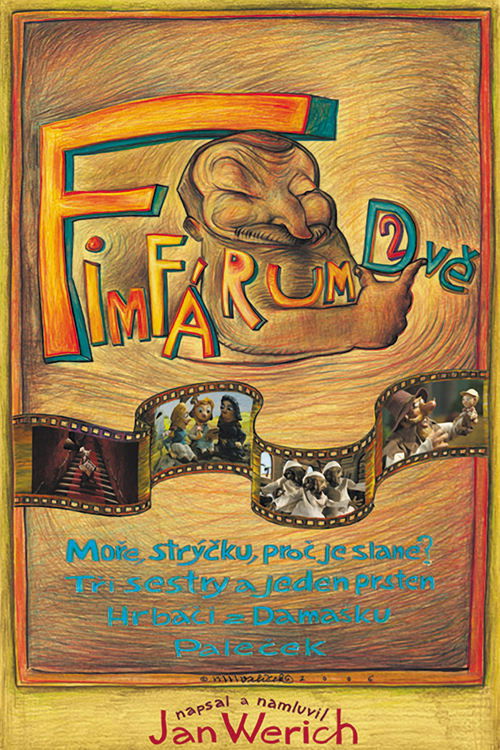
Humorous as well as educational stories about magical and everyday problems, about devils, miracles, ordinary human vices and wisdom. The graphic design of the stories reflects the humour and the atmosphere of the stories Fimfárum, When the Leaves Fall from the Oak, Franta the Fearless, A Dream Come True, and Greedy Barka, that were recorded by Jan Werich on an LP in the 1960’s and published in a book called Fimfarum.
1969
2000
1967
2006
1949

1965

1934
1992
No reviews yet. Be the first to share your thoughts on this movie!
Use the rating form above to leave a star rating and optional review.