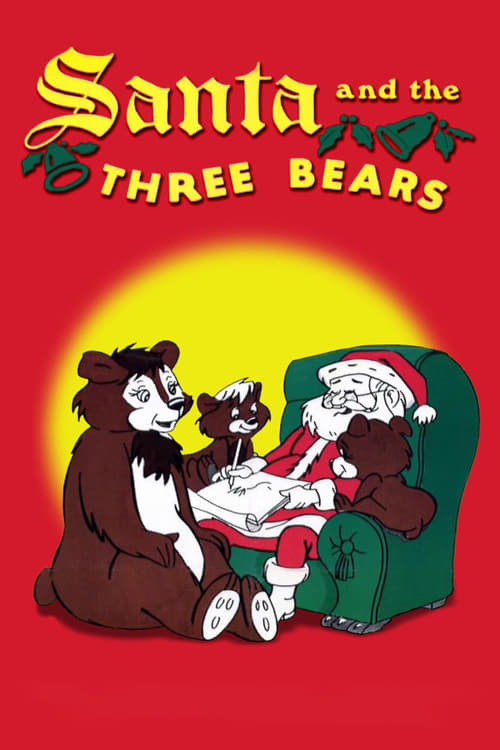
Santa and the Three Bears
1970
No user ratings available yet
Representation score: 1.0 out of 10
Representation Score
Limited
1992
GDirector
Ray Messecar
Runtime
12 minutes
Average Rating
No ratings yetNew Showbiz Analysis
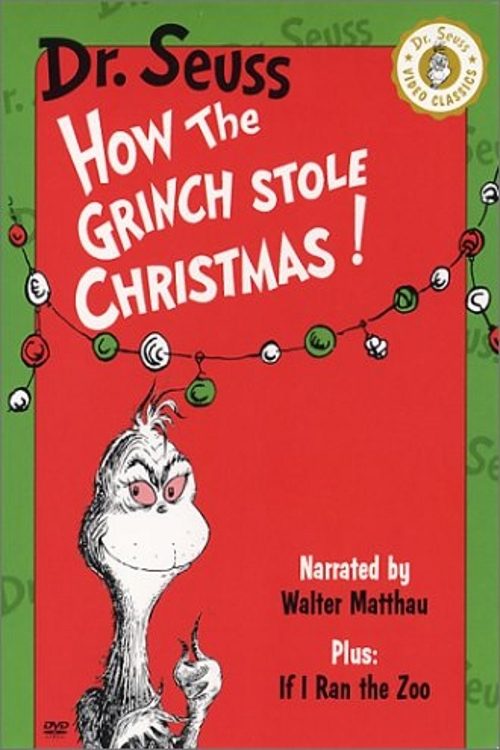
This animated adaptation functions as a traditionalist preservation of Dr. Seuss's classic text. It prioritizes the faithful narration of the original illustrations over modern social exploration. The production reinforces established cultural norms and homogeneous community archetypes. It lacks the narrative complexity needed to disrupt conventional social hierarchies or provide diverse perspectives. Ultimately, the work serves as a seasonal staple that adheres to early 20th-century literary structures rather than intentional, storytelling that reflects multiple aspects of identity.
Category Breakdown
The story focuses on the Grinch's isolation and the Whos' collective celebrations. There is no presence of LGBTQ+ identities or same-sex intimacy.
Characters follow traditional archetypes without providing significant roles for female characters within the communal structure of Who-ville.
The Whos are depicted as a homogeneous community. The visual and narrative elements do not promote a multi-ethnic or non-Anglo-centric cast.
The narrative centers on Christmas, a traditional Western holiday. It reinforces seasonal traditions and festive morality rather than offering systemic critiques.
The Grinch's isolation is framed through temperament rather than nuanced disability representation. He risks serving as a cliché for social alienation.
Present on Screen
Limited or Absent
Official Synopsis
This short video features illustrations from the Dr Seuss story book with narration by Walter Matthau. A hermit known as the Grinch hates Christmas and is tired of the Whos of Who-ville celebrating it. This year, he plans to steal it from them. Video also includes the story If I Ran The Zoo.
1970
2002
1997
1976

1948
1974

2008

1994
No reviews yet. Be the first to share your thoughts on this movie!
Use the rating form above to leave a star rating and optional review.