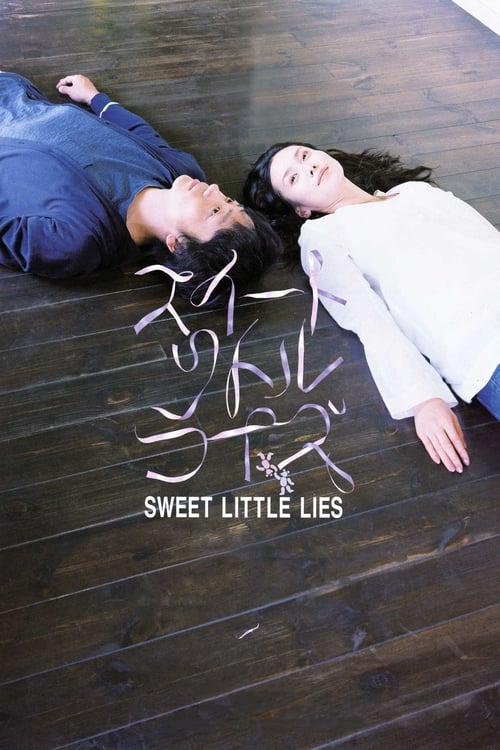
Sweet Little Lies
2010
No user ratings available yet
Representation score: 7.1 out of 10
Representation Score
Good
1997
Director
Yoshimitsu Morita
Runtime
119 minutes
Average Rating
No ratings yetNew Showbiz Analysis
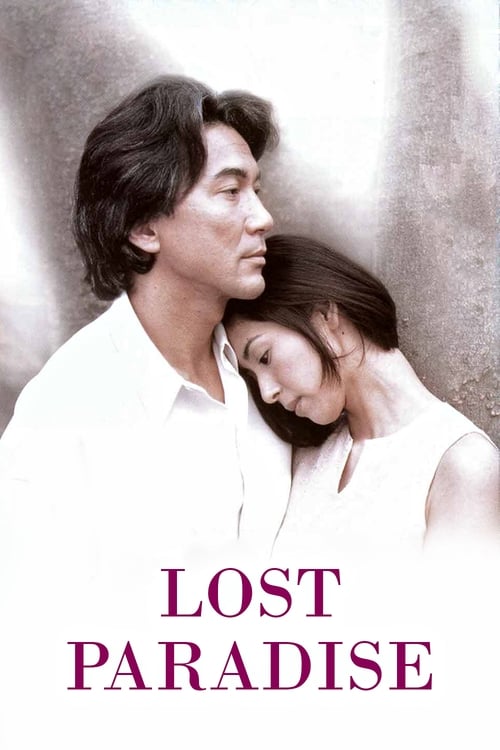
Lost Paradise examines the clash between personal desires and societal norms through a psychological lens. It successfully challenges traditional domesticity by emphasizing the emotional needs of its characters over the preservation of marriage. Although the film lacks diverse representations of race and LGBTQ+ identities, it offers a progressive critique of gender hierarchies. It portrays the breakdown of marriage as a quest for authenticity rather than a moral failing. Ultimately, the film's strength lies in its focus on individual autonomy and its critique of stagnant social conventions.
Category Breakdown
The story centers around illicit romantic relationships that are not openly LGBTQ+. There are no clear indications of queer-coded subplots or non-traditional gender identities among the main characters.
Rinko plays a significant role in driving the story emotionally and has substantial independence. Her pursuit of passion challenges the restrictive expectations placed on women in traditional Japanese marriages.
The cast and setting are ethnically uniform, reflecting a modern urban Japanese context. The film does not explore cross-cultural or multi-ethnic dynamics.
The film questions the sanctity of the nuclear family and traditional social institutions. It emphasizes individual freedom and moral relativism over established social norms.
There are no characters with visible or hidden disabilities in the story. The narrative focuses on urban disillusionment rather than disability-related themes.
Present on Screen
Limited or Absent
Official Synopsis
Kuki is a veteran newspaper reporter who has been shuffled off to a book-development branch and finds escape in an illicit relationship with Rinko. Together they find the passion no longer present in their marriages.
2010
1955
1986
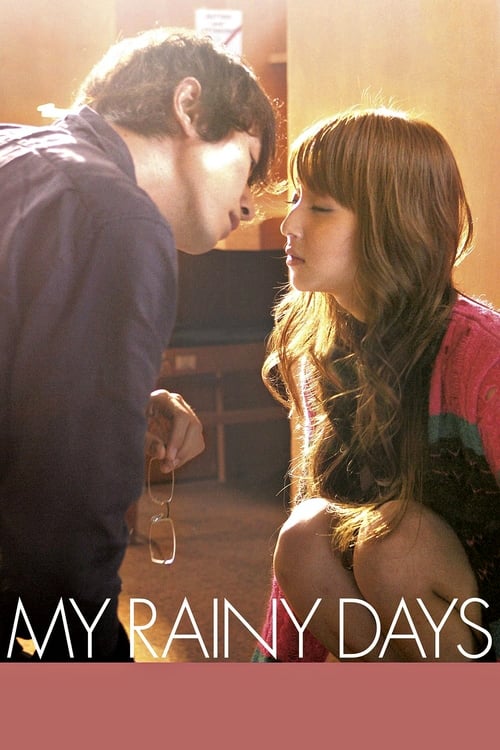
2009
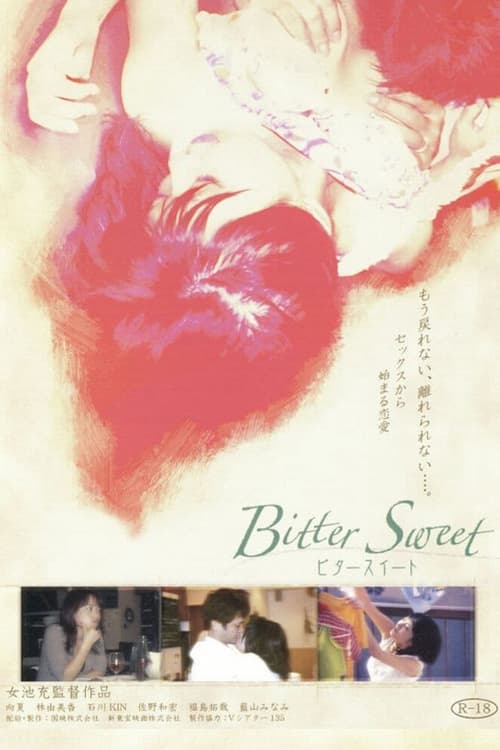
2004
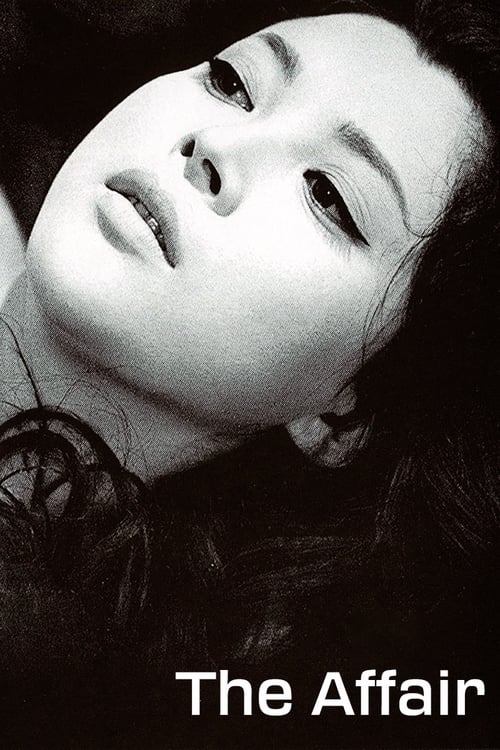
1967

2016
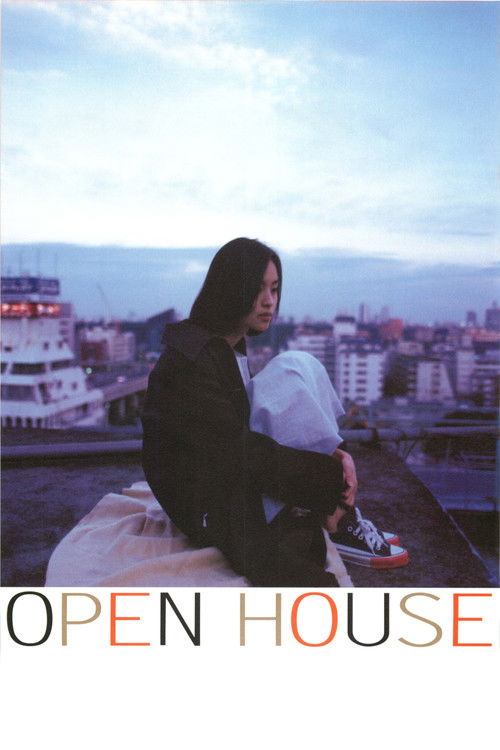
1998
No reviews yet. Be the first to share your thoughts on this movie!
Use the rating form above to leave a star rating and optional review.