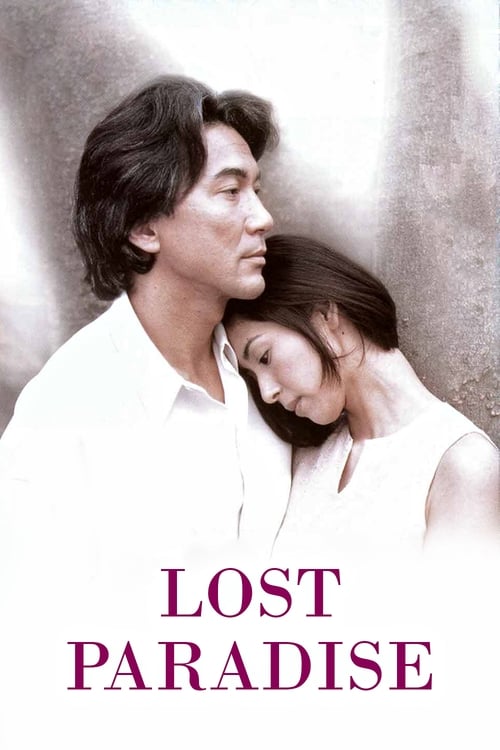
Lost Paradise
1997
No user ratings available yet
Representation score: 7.9 out of 10

Representation Score
Fair
1986
Director
Koreyoshi Kurahara
Runtime
133 minutes
Average Rating
No ratings yetNew Showbiz Analysis
Michi (1986) offers a moderate diversity profile, characterized by its challenge to societal norms rather than explicit identity politics. The film's strength lies in its narrative approach to destabilizing the traditional family unit through personal desires and individual actions. However, it remains constrained by its reliance on straight-centered romantic structures and a culturally uniform cast. The film lacks the multi-layered breadth and explicit representation of LGBTQ+ or multi-ethnic identities found in contemporary cinema. Ultimately, it serves as a critique of social contracts, using a localized Japanese context to explore the disruption of established moral institutions.
Category Breakdown
The film focuses on a heterosexual relationship between a married man and a younger waitress, with no indication of non-straight or non-cisgender identities.
The narrative disrupts traditional family dynamics by focusing on an affair that causes emotional and social upheaval.
Featuring a culturally homogeneous cast, the 1986 Japanese production provides a localized perspective but does not include modern multi-layered diversity.
The story questions the sanctity of traditional family structures and social expectations, prioritizing individual impulses and moral relativism over established institutions.
There is no information available regarding the portrayal of physical or neurodivergent disabilities in this film.
Present on Screen
Limited or Absent
Official Synopsis
A married long-distance truck driver falls for a significantly younger waitress at a roadside diner. Their affair brings tragedy to themselves and those around them.
1997

1955

1956

1965

1982

1987
1969

1957
No reviews yet. Be the first to share your thoughts on this movie!
Use the rating form above to leave a star rating and optional review.