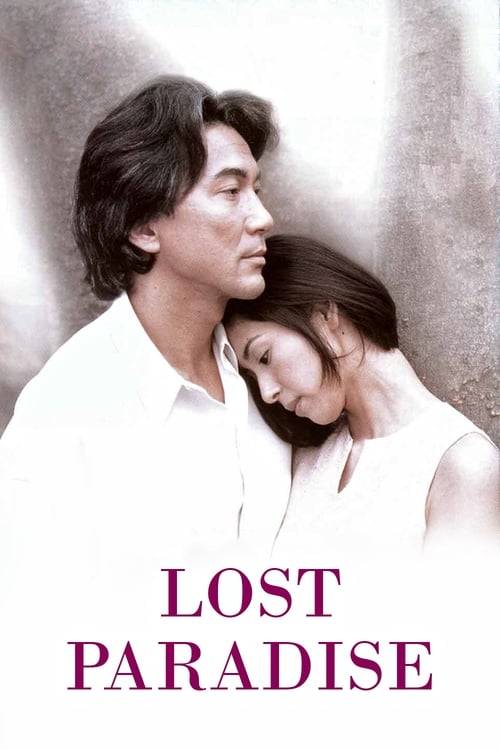
Lost Paradise
1997
No user ratings available yet
Representation score: 7.9 out of 10

Representation Score
Limited
2004
Director
Mitsuru Meike
Runtime
58 minutes
Average Rating
No ratings yetNew Showbiz Analysis
Bitter Sweet stands out by subverting traditional romantic archetypes. Instead of a typical marriage plot, the film centers on a woman's psychological hesitation and her active role in disrupting social expectations. The narrative strength lies in its refusal to reinforce traditional hierarchies. By portraying the male figure as unable to provide moral guidance, the film avoids the cliché of the stable male leader. However, the film's diversity is limited by a lack of characters who reflect more than one aspect of diversity. The focus remains strictly on a heterosexual interpersonal conflict, leaving other identity markers unaddressed.
Category Breakdown
The film does not include any LGBTQ+ identities or queer narratives. The central conflict focuses on a heterosexual relationship.
The film challenges traditional gender roles by giving the female protagonist a significant role in driving the story. It portrays the older male character as emotionally compromised.
Produced in Japan, the film maintains a domestic cultural context. Specific details about the ethnic diversity of the supporting cast are not provided.
The story questions traditional views of the nuclear family and marital sanctity. It offers a nuanced, cynical perspective on domestic institutions.
There is no information available regarding the inclusion of characters with physical or neurodivergent disabilities.
Present on Screen
Limited or Absent
Official Synopsis
A young couple in love prepares to marry, but--contrary to the popular stereotype--the woman develops a classic case of "cold feet" and seeks the advice of an older man. In no position to offer solid counsel since his own marriage is failing, he instead allows her to seduce him.
1997

1965

2020

2009
2010

2016

2009
1969
No reviews yet. Be the first to share your thoughts on this movie!
Use the rating form above to leave a star rating and optional review.