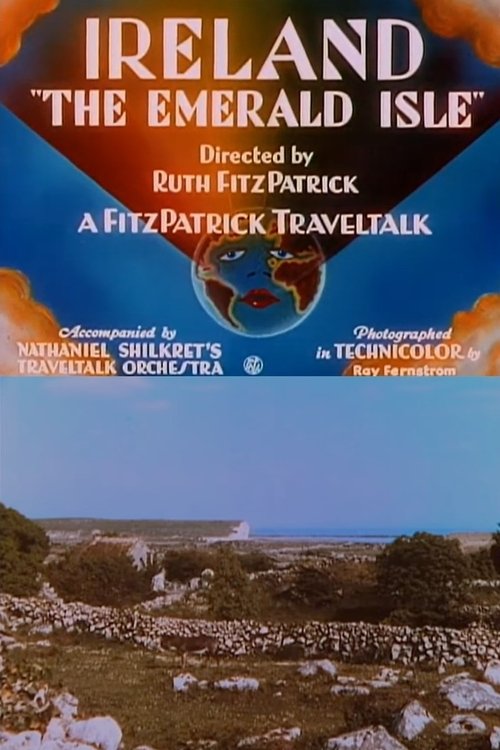
Ireland: 'The Emerald Isle'
1934
No user ratings available yet
Representation score: 1.8 out of 10
No Poster Available
Representation Score
Minimal
1949
ApprovedRuntime
8 minutes
Average Rating
No ratings yetNew Showbiz Analysis
Roaming Through Northern Ireland is a mid-century documentary that prioritizes the natural world over human social narratives. The film serves as an observational study of landscapes, geological formations, and historical architecture. Given its focus on the 'mysteries of creation' and pastoral beauty, the film lacks the narrative complexity needed to engage with overlapping aspects of identity. The content is rooted in preserving traditional aesthetics and regional heritage. Ultimately, the film functions as a historical record of scenery rather than a platform for social representation, highlighting the genre's limitations during the 1940s.
Category Breakdown
There are no LGBTQ+ characters or non-cisgender identities in the film. The focus on scenery and architecture makes it unlikely to include such themes.
The film emphasizes landscapes and medieval crafts over human-driven stories. There is no indication of female empowerment or challenges to gender hierarchies.
This film centers on a culturally homogeneous setting, celebrating regional heritage without showcasing a diverse or multi-ethnic cast.
The film highlights cathedrals and the mysteries of creation. It celebrates traditional values and historical continuity through its focus on aesthetics.
The documentary does not feature any subjects or characters with visible or invisible disabilities. The focus remains on geological and architectural subjects.
Present on Screen
Limited or Absent
Official Synopsis
A look primarily at the beauty of the countryside and seacoast, starting at Carrick-a-Rede Island then on to Enniskillen, the cathedral at Downpatrick, an appreciation of Medieval Irish craft and architecture, visits to a peat farm and the ruins of Castle Dunluce, and the pastoral beauty of County Down. There we visit the resort seacoast town of Bangor. It's on to Cushendun in County Antrim and finishing at the Giant's Causeway as we examine fascinating rock formations and the mysteries of creation.
1934
2010
1998
1950
1948
1949
1950
1952
No reviews yet. Be the first to share your thoughts on this movie!
Use the rating form above to leave a star rating and optional review.