Chicago, the Beautiful
1948
No user ratings available yet
Representation score: 0.2 out of 10
Representation Score
Minimal
1937
ApprovedRuntime
9 minutes
Average Rating
No ratings yetNew Showbiz Analysis
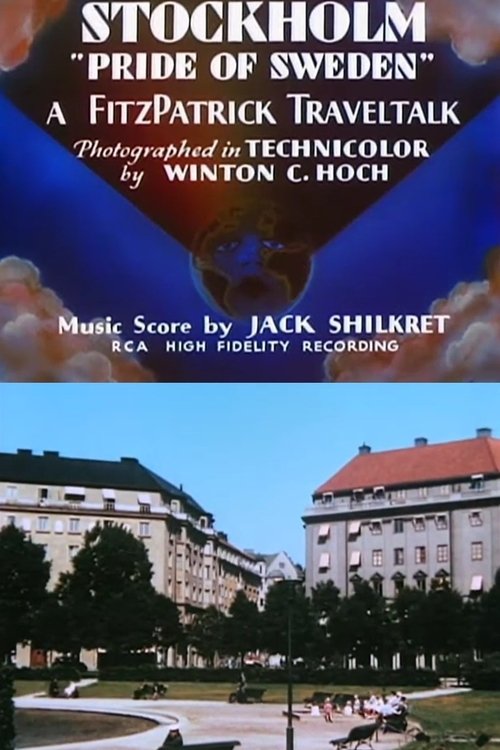
This 1937 travelogue functions as a promotional survey of Stockholm, prioritizing aesthetic appreciation and civic order. The narrative structure highlights the city's architectural cohesion and social stability. Since the film lacks character-driven narratives, it fails to engage with diverse perspectives or social complexity. It reinforces mid-century Western ideals of homogeneity and prosperity. Ultimately, the work serves as a period-specific artifact reflecting the conventional demographic norms of its time, focusing on the 'ideal' state of a Western capital.
Category Breakdown
The documentary focuses on urban geography, cuisine, and landmarks. It does not depict any non-binary gender identities or same-sex relationships, sticking to the era's assumption that everyone is straight or cisgender.
The film lacks character development to explore gender roles. It portrays a traditional, passive view of urban society without challenging established gender hierarchies.
The film depicts a culturally homogeneous European environment. It focuses on Swedish life without mentioning migrant populations or diverse ethnic communities.
The narrative emphasizes the stability and cleanliness of the Swedish social model. It presents a polished, celebratory view of a Western capital without criticizing institutions.
The footage focuses on tourist sites and fine dining. There is no representation of individuals with physical or neurodivergent disabilities.
Present on Screen
Limited or Absent
Official Synopsis
This episode of Traveltalks goes to Stockholm, the capital of Sweden. The focus is on several aspects of Swedish life and it's noted that Stockholm is a city without slums or beggars. Built on the mainland and an archipelago of 13 islands, the city has been called the Venice of the North. Swedish cuisine, fine restaurants and tourist sites, including architectural highlights and the bear pit, are shown.
1948

1927
1937
1951
1949
1952
1951
1923
No reviews yet. Be the first to share your thoughts on this movie!
Use the rating form above to leave a star rating and optional review.