Roaming Through Northern Ireland
1949
No user ratings available yet
Representation score: 0.5 out of 10
Representation Score
Minimal
1948
ApprovedRuntime
10 minutes
Average Rating
No ratings yetNew Showbiz Analysis
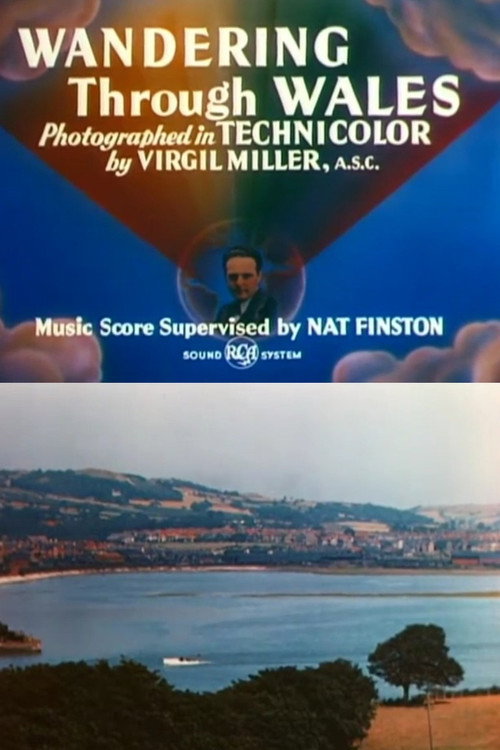
Wandering Through Wales (1948) serves as a topographical study of the Welsh landscape and its traditional industries. The film prioritizes the preservation of regional identity, focusing on farming, mining, and historical landmarks like Caernarfon Castle. Given its focus on heavy industry and rugged terrain, the documentary naturally leans towards mid-century masculine archetypes. The absence of diverse social identities reflects the era's ethnographic style, which aimed to document a specific, culturally homogeneous population. Ultimately, the film functions as a celebration of Welsh heritage rather than a study of human diversity. It upholds the demographic hierarchies typical of post-war documentary filmmaking.
Category Breakdown
The documentary does not include any characters or stories related to LGBTQ+ communities. Its focus on landscapes and industries does not provide a platform for exploring non-traditional gender identities.
The film highlights coal and slate mining, which have traditionally been male-dominated industries. This emphasis reinforces traditional masculine roles and the gender hierarchy of the mid-20th century.
The film portrays a predominantly homogeneous population. While it celebrates the unique Welsh culture, it lacks a multi-ethnic or diverse cast, reflecting a localized perspective.
The narrative celebrates the region’s heritage through landmarks and industries. It adheres to a traditional view of the landscape without exploring diverse moral perspectives.
The film does not feature any individuals with visible or invisible disabilities. The scope remains focused on geography and economic structures.
Present on Screen
Limited or Absent
Official Synopsis
Located in the United Kingdom, the Principality of Wales, home to 2.5 million people, is filled with rolling mountains, and green valleys. Because of its culture and language, it is unique within the UK. Much of the economy is based on small independent farms, but also includes coal and slate mining. Its many castles - including Caernarfon and Conwy - comprise its most famous built landmarks. Another landmark is the Menai suspension bridge - spanning the Menai Straits - the longest such structure in the UK. As Wales is a largely coastal jurisdiction, the Welsh have taken advantage of water opportunities, whether it be for fishing, or for recreation at one of the many coastal resorts, such as the most famous, Llandudno. There are also mountain resorts, such as Betws-y-Coed. Mount Snowdon, the highest peak in Wales, offers great hiking and climbing opportunities.
1949
1952
1950
1949
1950
1948

1949
1934
No reviews yet. Be the first to share your thoughts on this movie!
Use the rating form above to leave a star rating and optional review.