
Angry Annie
2022
No user ratings available yet
Representation score: 6.4 out of 10
Representation Score
Limited
1975
Director
Andrei Blaier
Runtime
91 minutes
Average Rating
No ratings yetNew Showbiz Analysis
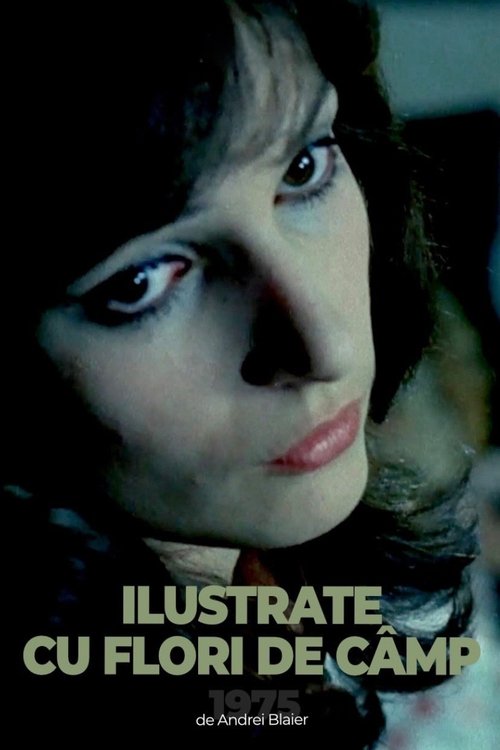
Postcards with Wildflowers offers a grounded look at provincial life in 1970s Romania. Laura’s journey to secure an abortion highlights the tension between individual desire and community expectation. The film portrays these dynamics with observational realism rather than active critique. Representation is limited by the historical and geographic context. The cast is homogeneous, and gender dynamics remain conventional. Male characters hold stable positions while women navigate social pressure. This reflects the era’s social reality rather than deliberate exclusion. The film’s value lies in its authentic depiction of a specific cultural moment. It does not actively challenge traditional hierarchies but presents them clearly. The lack of diverse representation is consistent with the setting and period.
Category Breakdown
The film features no LGBTQ+ characters or same-sex romances. Relationships strictly follow heterosexual norms of the era. Laura’s affair with a married man defines the romantic conflict.
Laura drives the plot by seeking an illegal abortion, yet she relies on the judgment of Irina and the midwife. Men like Victor and Marin hold stable, authoritative positions. The film observes traditional expectations without challenging them.
The cast consists entirely of ethnic Romanians, reflecting the homogeneous rural setting. No characters of color appear in the narrative. The story remains strictly within the local demographic context.
Orthodox Christian traditions and rural family structures form the backdrop for personal conflict. Laura’s desire for autonomy clashes with community expectations. The film presents a balanced view of tradition versus individual choice.
No characters with physical or mental disabilities appear in the narrative. The story focuses on social and emotional conflicts rather than disability. There are no plot devices involving medical conditions beyond the central pregnancy.
Present on Screen
Limited or Absent
Official Synopsis
In 1970s Romania, Laura, a young architect, becomes pregnant by her married lover, Titel. Desperate and alone, she travels to a remote town for an illegal abortion. There, she meets Irina, a local girl who tries to change her mind.
2022
1977
2007
1985

1976
1970
1970
2004
No reviews yet. Be the first to share your thoughts on this movie!
Use the rating form above to leave a star rating and optional review.