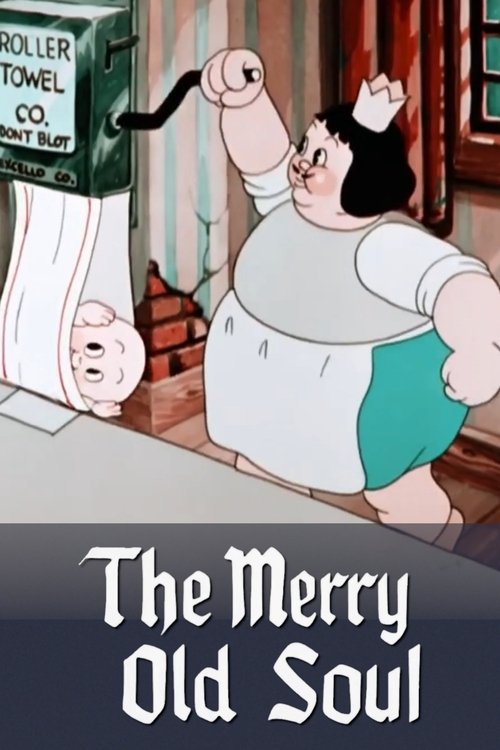
The Merry Old Soul
1935
No user ratings available yet
Diversity score: 1.0 out of 10
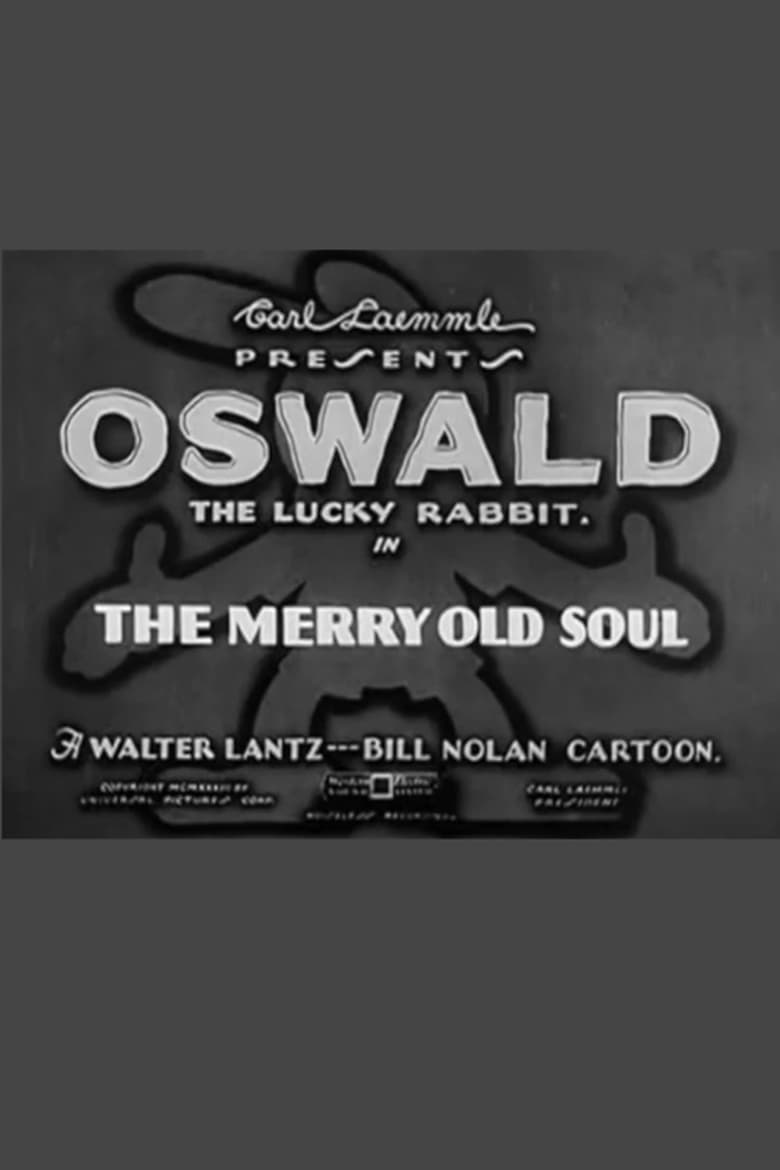
1933
NRDirector
William Nolan, Walter Lantz
Runtime
8 minutes
Average Rating
No ratings yetSynopsis
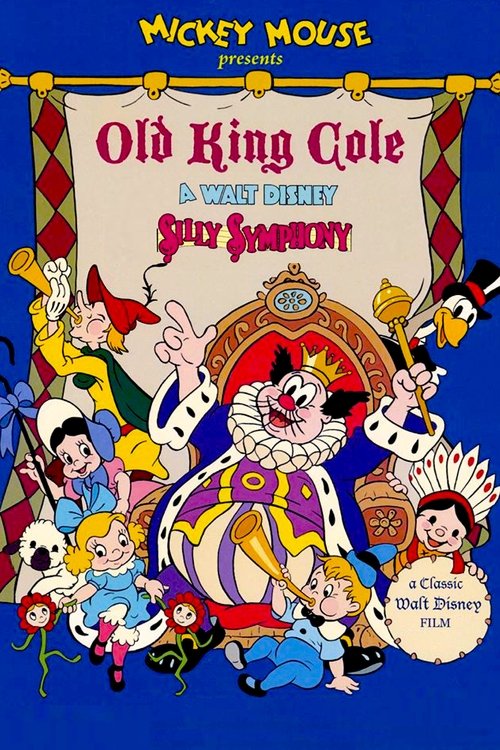
Oswald is at the dentist. A tooth being pulled hangs on tight. Just then, the radio reports "Old King Cole has the blues" and Oswald races off in his car. He gathers up a collection of comics: Charles Chaplin, Stan Laurel, Oliver Hardy, etc. At the castle, they start singing off-kilter versions of Mother Goose rhymes, with Al Jolson in a blackface routine, and the king is quickly cheered up. Laurel & Hardy haul in a large pile of pies, and an all-out fight breaks out. The jester, who has been getting jealous of Oswald, kidnaps him during the fight and hauls him into a dungeon, submitting him to various tortures, where we discover that the real torture has been the dentist pulling the tooth all along.
Overall Score
Limited
Category Breakdown
LGBTQ+ Representation
The film lacks any evidence of LGBTQ+ characters or non-cisnormative identities. It adheres strictly to the traditional comedic structures common in 1933 animation.
Gender Representation
Gender roles appear to follow conventional archetypes of the era. The narrative hierarchy suggests female characters may be relegated to passive or decorative roles.
Racial & Ethnic Diversity
The production reflects the era's lack of racial integration. The ensemble of entertainers likely follows the homogeneous, Western-centric casting norms of the 1930s.
Religious & Cultural Diversity
The story relies heavily on English folklore through the character of Old King Cole. This reinforces a Western-centric framework and traditional social structures.
Disability Representation
While the plot centers on curing melancholy, mental health is treated as a comedic device. There is no nuanced portrayal of neurodivergence or disability.
Strengths
Areas for Improvement
AI Analysis
The Merry Old Soul is a product of its historical era, prioritizing traditional animation tropes over intersectional storytelling. The narrative follows a restorative arc that reinforces established social hierarchies rather than challenging them. While the film utilizes classic folklore, it lacks diversity in character identity and agency. The representation of gender, race, and disability remains minimal, reflecting the standard industry practices of the early 1930s.
1935
1935
1933
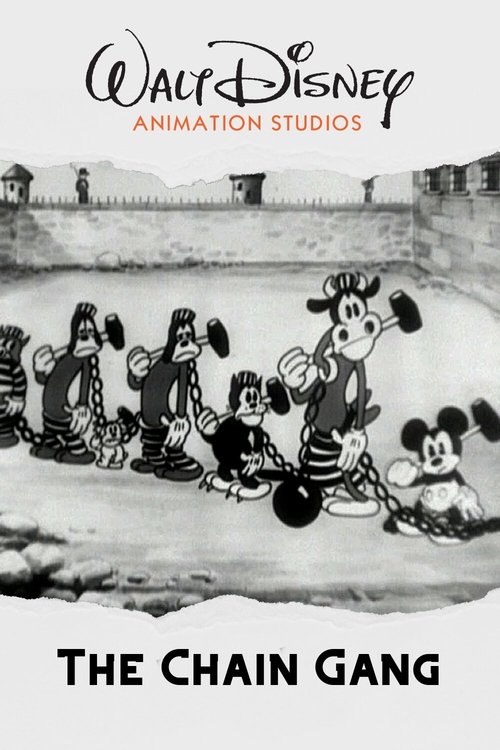
1930
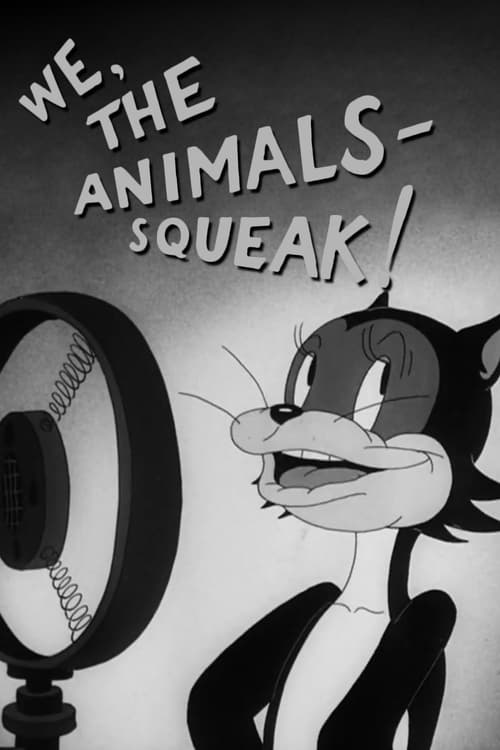
1941
1937
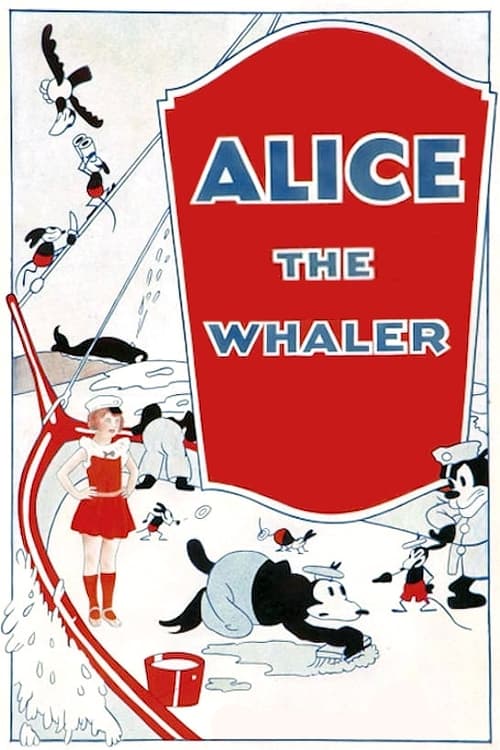
1927
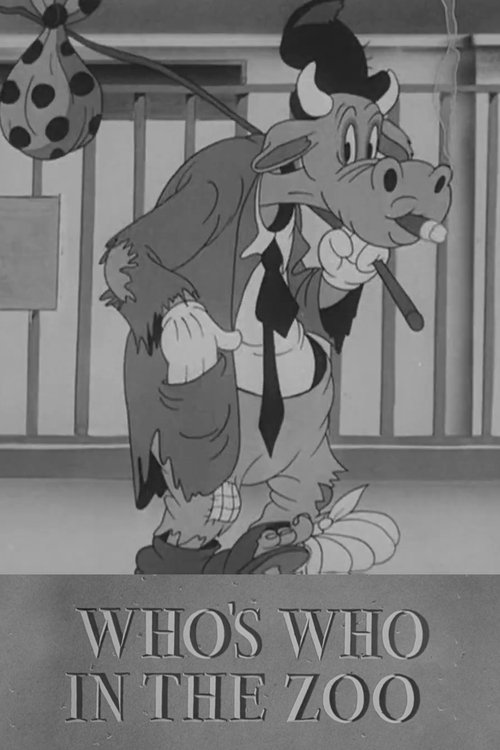
1942
1934
1933
1928
1934
No reviews yet. Be the first to share your thoughts on this movie!
Use the rating form above to leave a star rating and optional review.