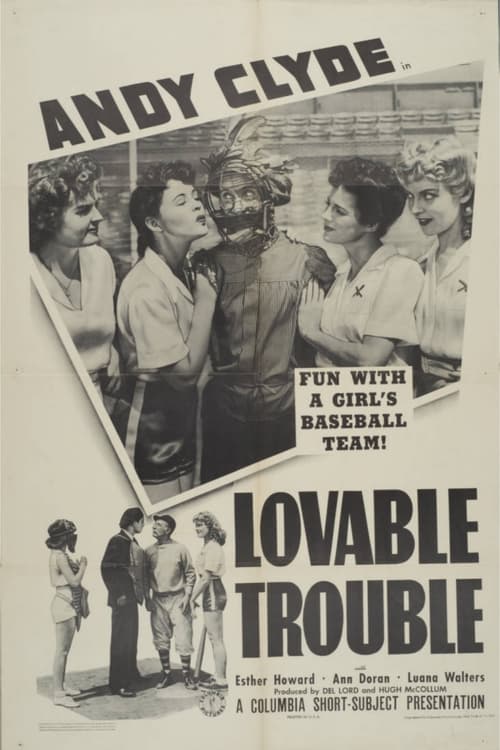
Lovable Trouble
1941
No user ratings available yet
Diversity score: 1.4 out of 10
1941
ApprovedDirector
Del Lord
Runtime
17 minutes
Average Rating
No ratings yetSynopsis
After his wife walks out on him, obnoxious Roscoe takes his son to the movies and creates havoc in the theater.
Overall Score
Minimal
Category Breakdown
LGBTQ+ Representation
The film offers no evidence of non-cisnormative identities. The narrative focuses exclusively on a traditional, fractured domestic unit consisting of a husband and son.
Gender Representation
Female characters are defined primarily by their absence after the wife walks out on the protagonist. The film lacks female agency, using the wife only as a catalyst for male-driven conflict.
Racial & Ethnic Diversity
The film appears to adhere to the homogeneous casting standards typical of 1941 studio comedies. There is no evidence of diverse racial or ethnic casting in the narrative.
Religious & Cultural Diversity
The story depicts a breakdown of the traditional family unit through slapstick eccentricity. It does not offer a critique of Western institutions or promote alternative social values.
Disability Representation
There is no indication of characters with visible or invisible disabilities. No such characters appear as part of the plot or character dynamics.
Strengths
Areas for Improvement
AI Analysis
Half Shot at Sunrise is a product of the 1940s studio system, prioritizing kinetic slapstick over social complexity. The narrative centers on the individualistic chaos of an obnoxious protagonist rather than any meaningful exploration of identity or systemic dynamics. The film operates within very narrow traditional frameworks. It lacks intentionality regarding intersectional representation, focusing instead on domestic dysfunction and situational humor that reflects the era's conventional social constraints. Ultimately, the work functions as a character-driven comedy where diversity is not a narrative priority. The focus remains on the disruption caused by a single male archetype.
1941
1943
1942

1940
1936
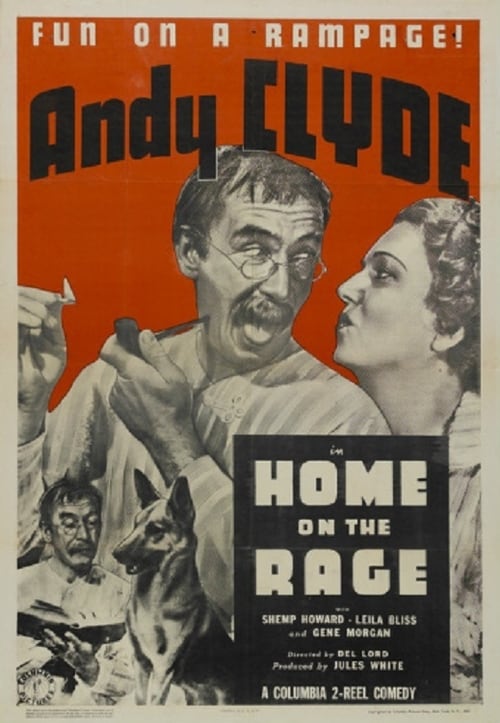
1938
1943
1942
1940
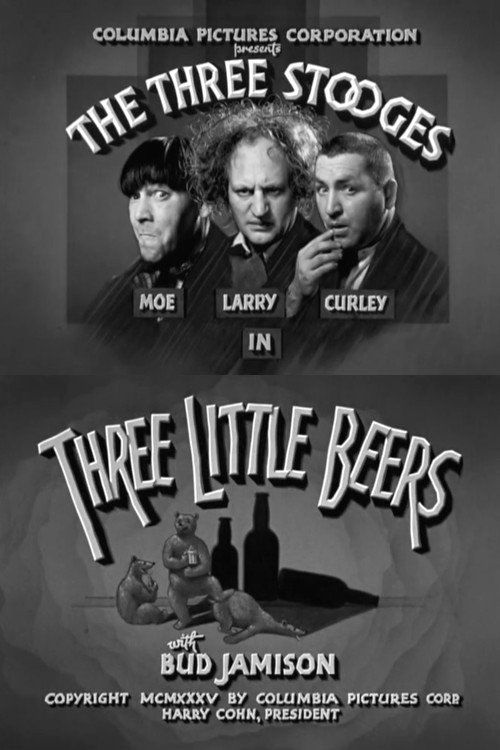
1935
1935
1951
No reviews yet. Be the first to share your thoughts on this movie!
Use the rating form above to leave a star rating and optional review.