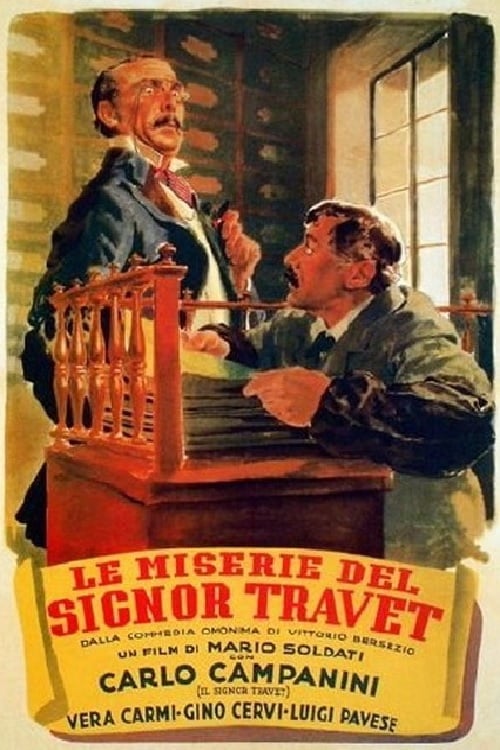
The Misery of Mr. Travet
1945
No user ratings available yet
Diversity score: 2.4 out of 10
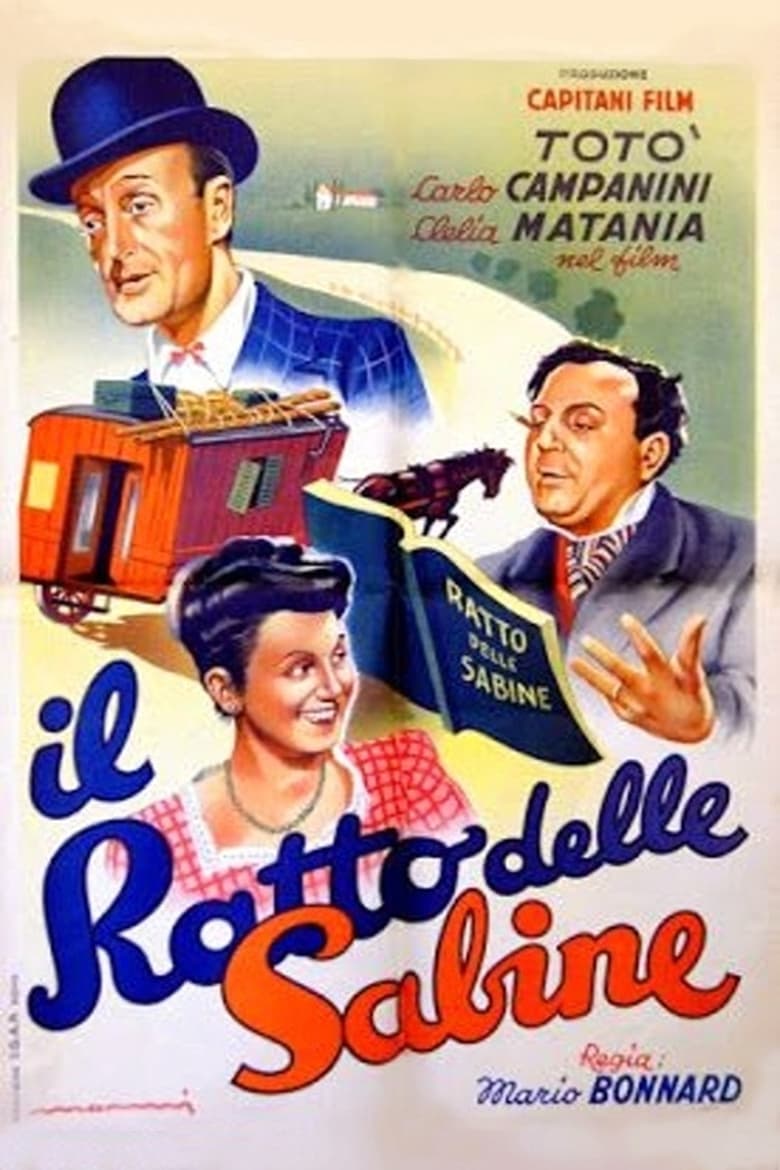
1945
Director
Mario Bonnard
Runtime
73 minutes
Average Rating
No ratings yetSynopsis
Ernesto is the teacher of the village, he is married and he is dominated by his wife. He has the passion of the theatre and he has written a drama in verse named "Il ratto delle Sabine". Unfortunately he has only an admirer and she is their servant Rosina. When the touring company of Prof. Tromboni arrives in the village, Ernesto decides to let them perform his play, though anonymously. So the day arrives and the theatre is sadly empty. But when the news that the author is the teacher spreads far and wide...
Overall Score
Limited
Category Breakdown
LGBTQ+ Representation
The film lacks any evidence of LGBTQ+ characters or non-cisnormative identities. The social dynamics focus entirely on traditional marriage and domesticity.
Gender Representation
Gender roles follow period tropes, featuring a protagonist dominated by his wife. While this subverts the strong male archetype for comedy, it lacks meaningful female agency.
Racial & Ethnic Diversity
The setting suggests an ethnically homogeneous cast typical of 1945 Italy. There is no indication of racial blending or diverse ethnic representation.
Religious & Cultural Diversity
The story centers on traditional village structures and class distinctions between a teacher and a servant. It operates within established Western social institutions.
Disability Representation
There is no information regarding the portrayal of characters with physical or neurodivergent disabilities.
Strengths
Areas for Improvement
AI Analysis
The film is a traditional mid-century comedy that reinforces the social and domestic hierarchies of its era. It relies on established character archetypes rather than challenging systemic structures or providing intersectional depth. While the protagonist's domestic situation offers a minor comedic subversion of male authority, the narrative remains largely homogeneous. The focus stays on individual social standing and class distinctions within a localized village setting. Ultimately, the work lacks representation for marginalized groups or any critique of the prevailing social order, functioning as a standard period piece.
1945

1960
1959

1980
1956
1945

1955
1963
1934
1951
1950
1949
No reviews yet. Be the first to share your thoughts on this movie!
Use the rating form above to leave a star rating and optional review.