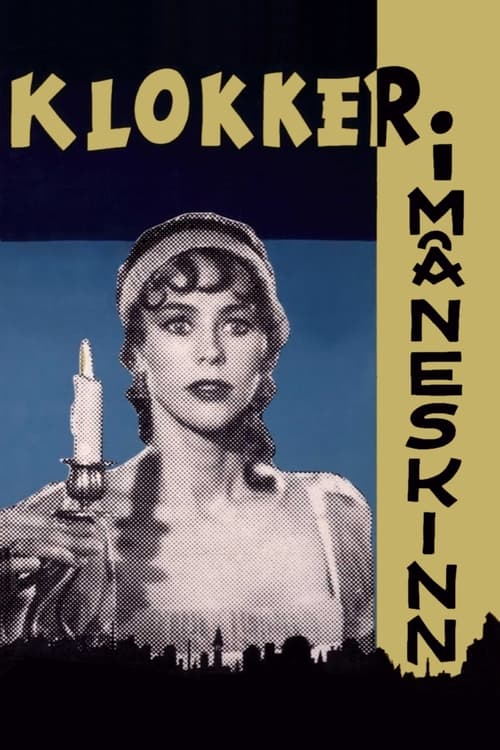
Clocks in the Moonlight
1964
No user ratings available yet
Representation score: 0.2 out of 10
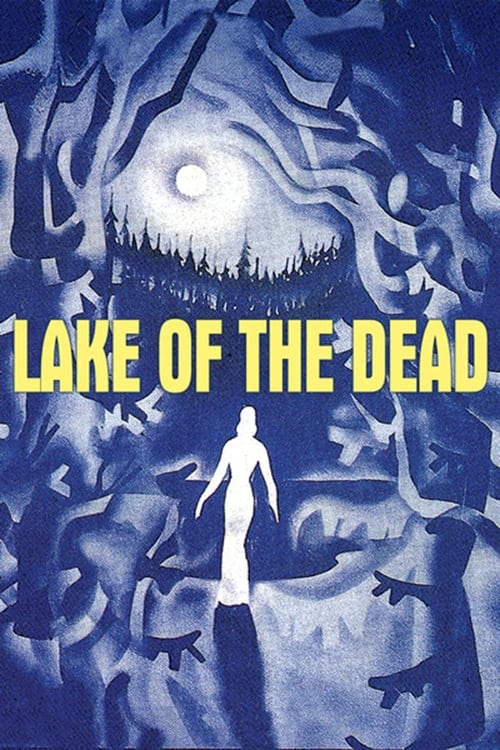
Representation Score
Minimal
1958
Director
Kåre Bergstrøm
Runtime
77 minutes
Average Rating
No ratings yetNew Showbiz Analysis
Lake of the Dead adheres to the conventional mystery-horror clichés of 1958. The narrative structure relies on local folklore and remote settings to create tension, reinforcing the social norms of post-war European cinema. The film lacks intentional subversion of social hierarchies and instead uses established genre archetypes that reflect the homogeneous demographic and cultural landscape of mid-century Scandinavia.
Category Breakdown
The film does not include any characters with LGBTQ+ identities. It follows the typical social structures of the mid-20th century.
The story likely centers on traditional gender roles common during that time. There are no unconventional or subverted gender hierarchies in the film.
Set in a Norwegian forest, the film probably features a homogeneous cast reflecting the demographics of 1950s Scandinavia. It does not intentionally blend races or ethnicities.
The story uses standard folk-horror elements without challenging established institutions. It operates within a traditional framework without anti-Western or secularist themes.
A character described as a 'crazy man' is used as a source of horror. This portrayal risks using neurodivergence simply as a plot device.
Present on Screen
Limited or Absent
Official Synopsis
A group of friends travel to a cabin in the Norwegian forest. It's a rumour that at night a crazy man can be heard screaming at a lake nearby the cabin.
1964
2006
2013
2000
1968
2021
2011
2014
No reviews yet. Be the first to share your thoughts on this movie!
Use the rating form above to leave a star rating and optional review.