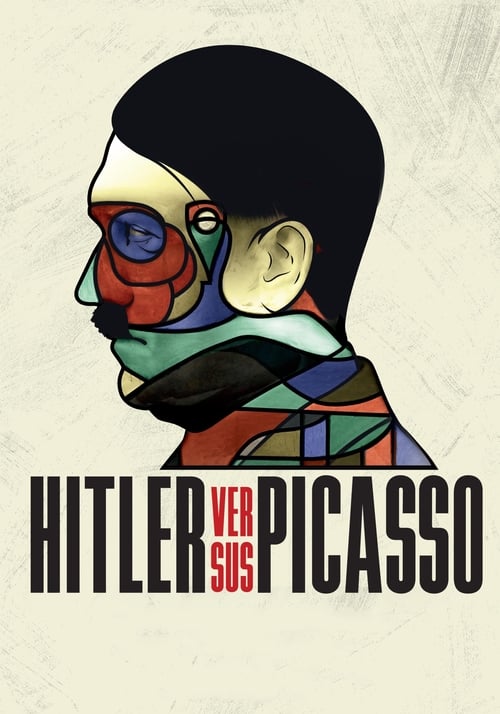
Hitler Versus Picasso
2018
No user ratings available yet
Representation score: 6.0 out of 10
Representation Score
Limited
1992
16Director
Lutz Dammbeck
Runtime
95 minutes
Average Rating
No ratings yetNew Showbiz Analysis
Lutz Dammbeck’s documentary is a cerebral, philosophical exploration of how political power shapes art. It prioritizes a semiotic analysis of fascist symbols over traditional character-driven storytelling, making it an intellectual rather than a demographic study. The film excels at deconstructing the perceived purity of Western cultural institutions. By exposing the link between aesthetics and systemic power, it offers a sophisticated critique of how political shifts co-opt artistic expression. However, the work lacks demographic breadth. Because it focuses on historical and political structures rather than human narratives, it provides no representation for LGBTQ+ individuals, diverse racial identities, or people with disabilities.
Category Breakdown
The film does not include any characters or storylines related to LGBTQ+ identities. There are no representations or derogatory depictions of LGBTQ+ individuals.
The documentary focuses on systemic power structures rather than interpersonal gender dynamics. Its critique of historical institutions inherently challenges patriarchal foundations.
The film examines the aesthetic language of European fascism within a Western context. It analyzes how dominant political structures manipulate identity through symbolic language.
The narrative questions the integrity of Western cultural institutions and the corruption of cultural objects. It suggests that no art is immune to the influence of political power.
The documentary's thematic scope and format do not include the depiction of physical or neurodivergent characters.
Present on Screen
Limited or Absent
Official Synopsis
The film explores what transformations in power and politics do to art, how much opportunism can be found in “pure” art and whether fascist symbols can ever regain their aesthetic innocence. The questions it addresses about the relationship between ethics and aesthetics make a valuable contribution to any discussion about art and power.
2018
1935
1998
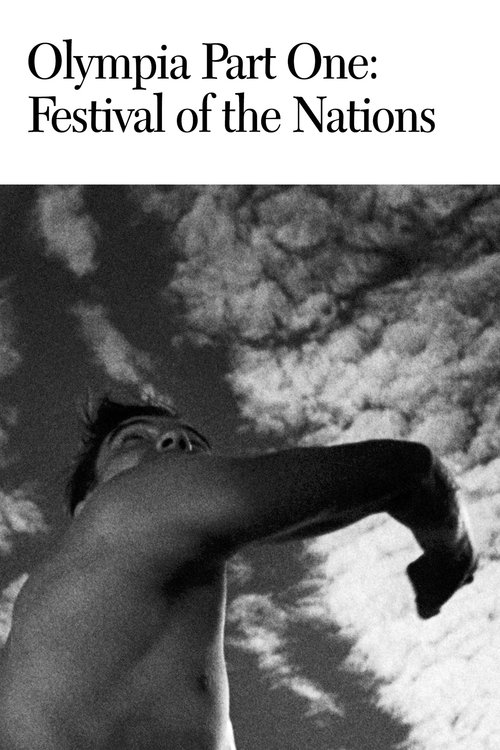
1938
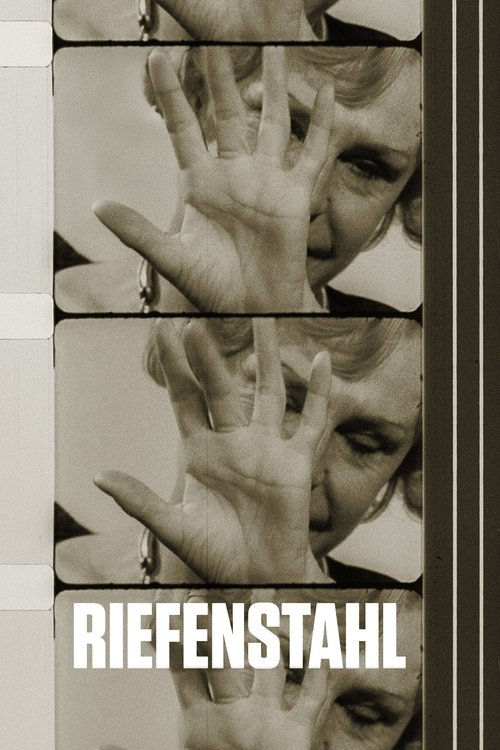
2024
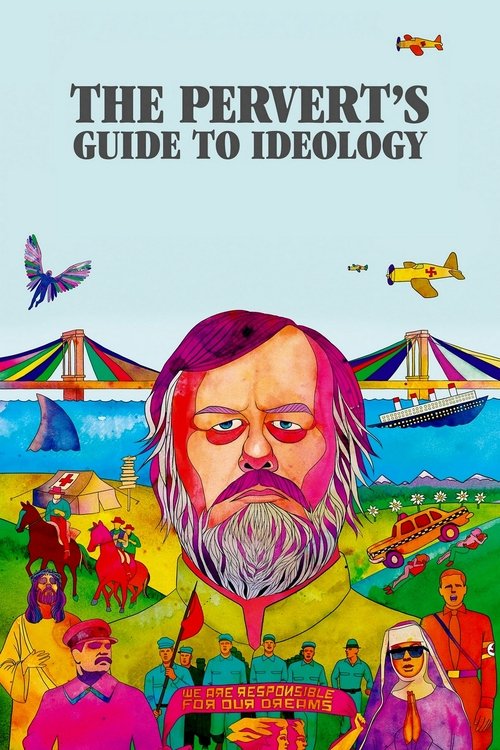
2012
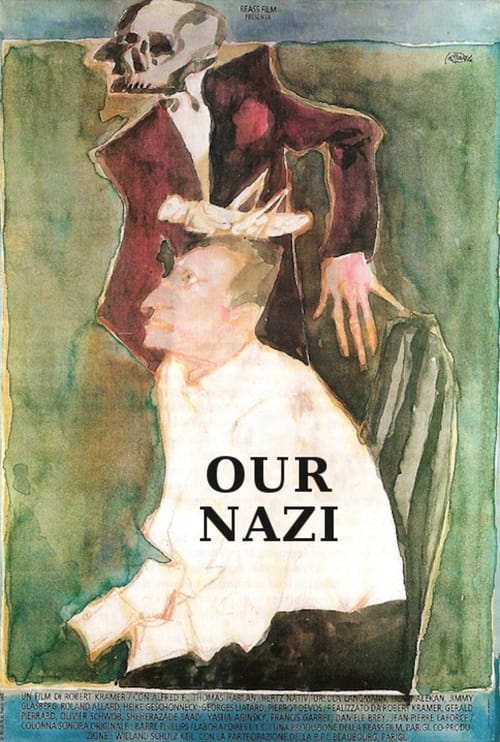
1984
1991
No reviews yet. Be the first to share your thoughts on this movie!
Use the rating form above to leave a star rating and optional review.